
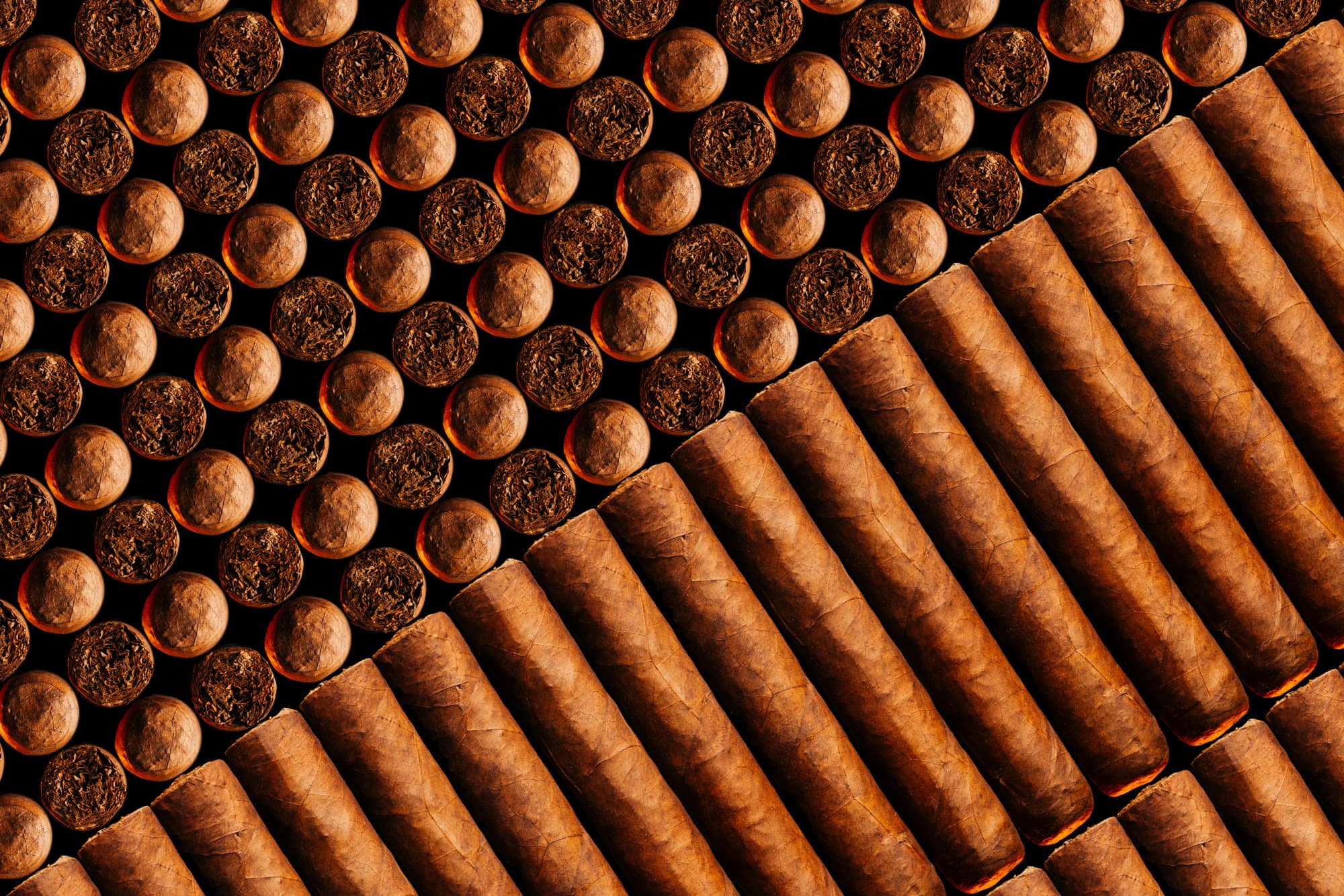
Essentials
Full Body vs. Full Strength in Premium Cigars
Dark ≠ automatically strong. Body is flavor weight; strength is nicotine. How primings, wrappers, and pacing shape both—plus practical tips.
The Conservatory · Cigar Literacy
Education on profile and construction: body vs. strength, wrappers/primings, draw/burn, blending concepts, tasting.
Dark ≠ automatically strong. Body is flavor weight; strength is nicotine. How primings, wrappers, and pacing shape both—plus practical tips.
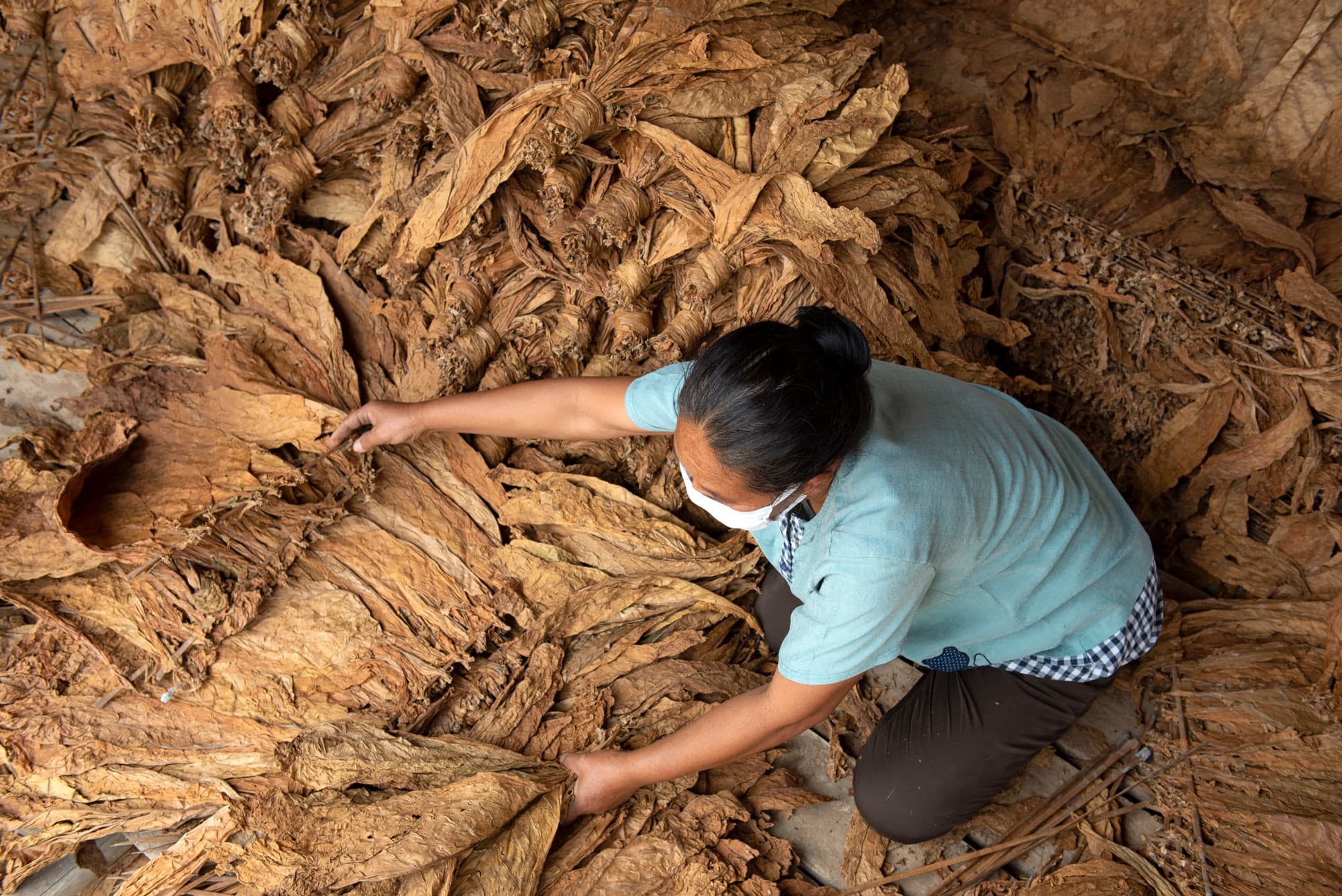
Primings describe leaf position; maduro describes wrapper processing. How they work together to create strength, aroma, and a smooth finish.
Showing 5 of 5
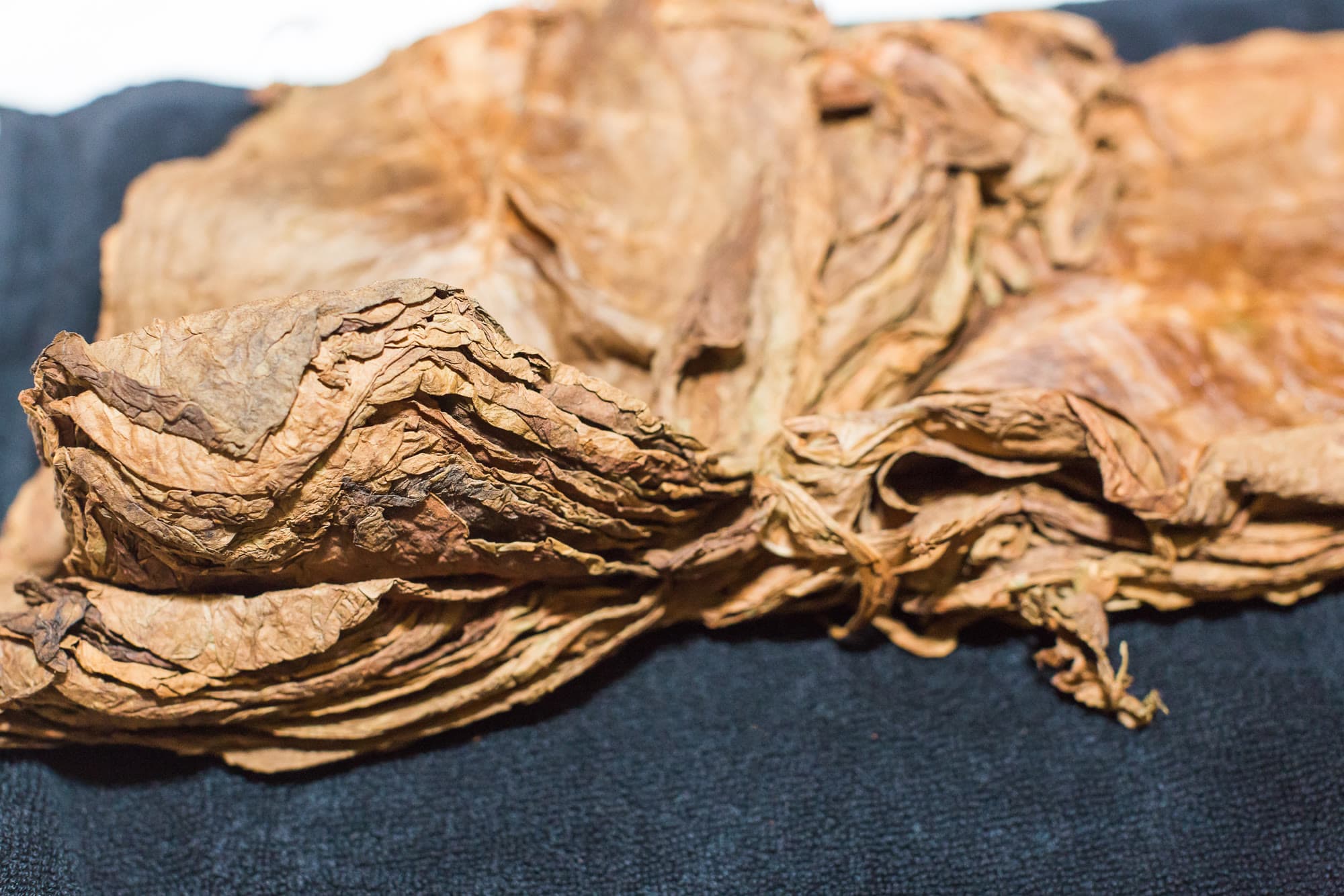
Dark ≠ automatically strong. How maduro wrappers are made, how they taste, storage/lighting tips, and what to look for when buying.

Nicotine stays; delivery changes. Why aged cigars feel gentler, how primings affect perception, and practical tips to manage strength.
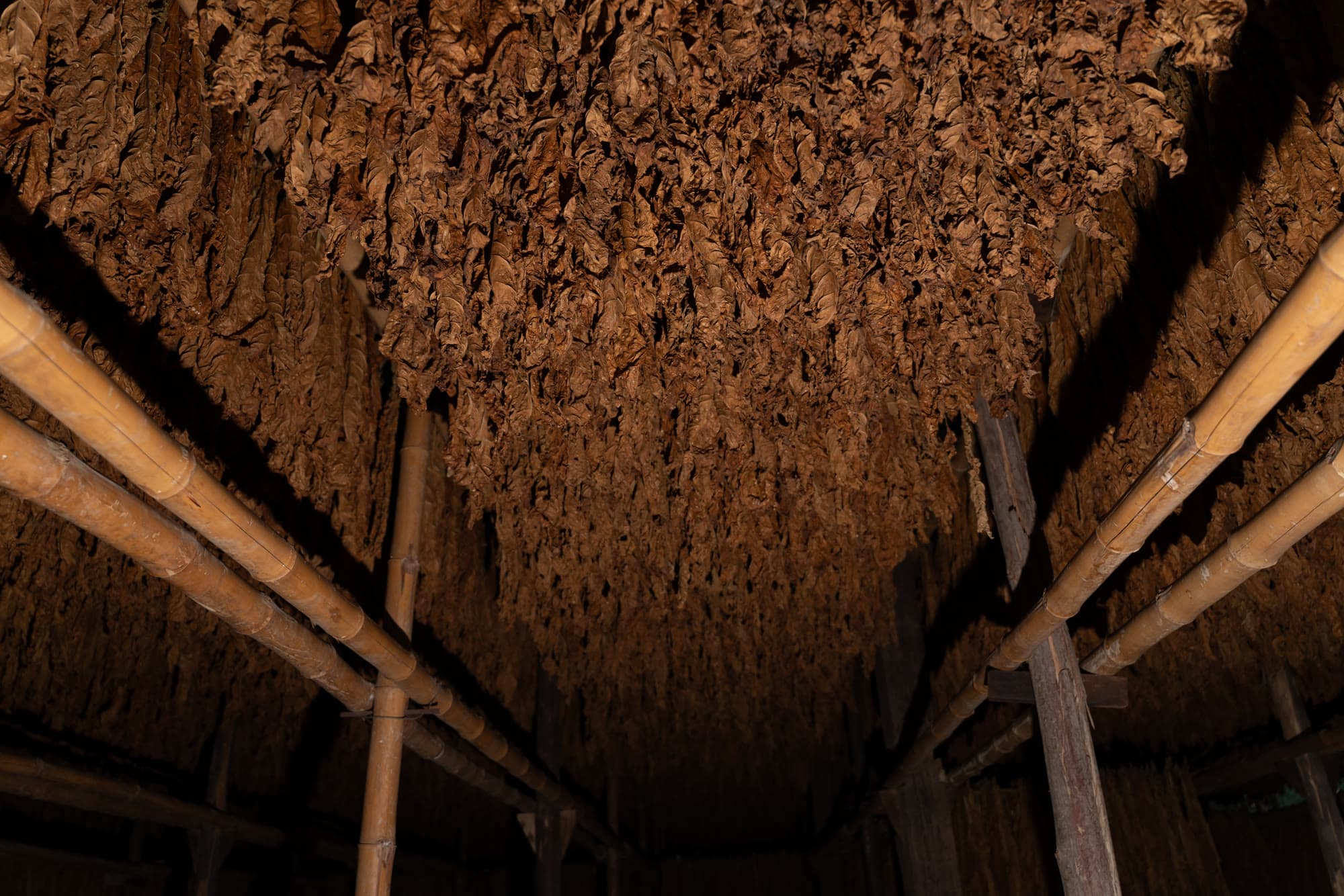
Why aged cigars feel smoother but can still hit hard. Strength vs. body, primings, and practical tips for pacing and storage.
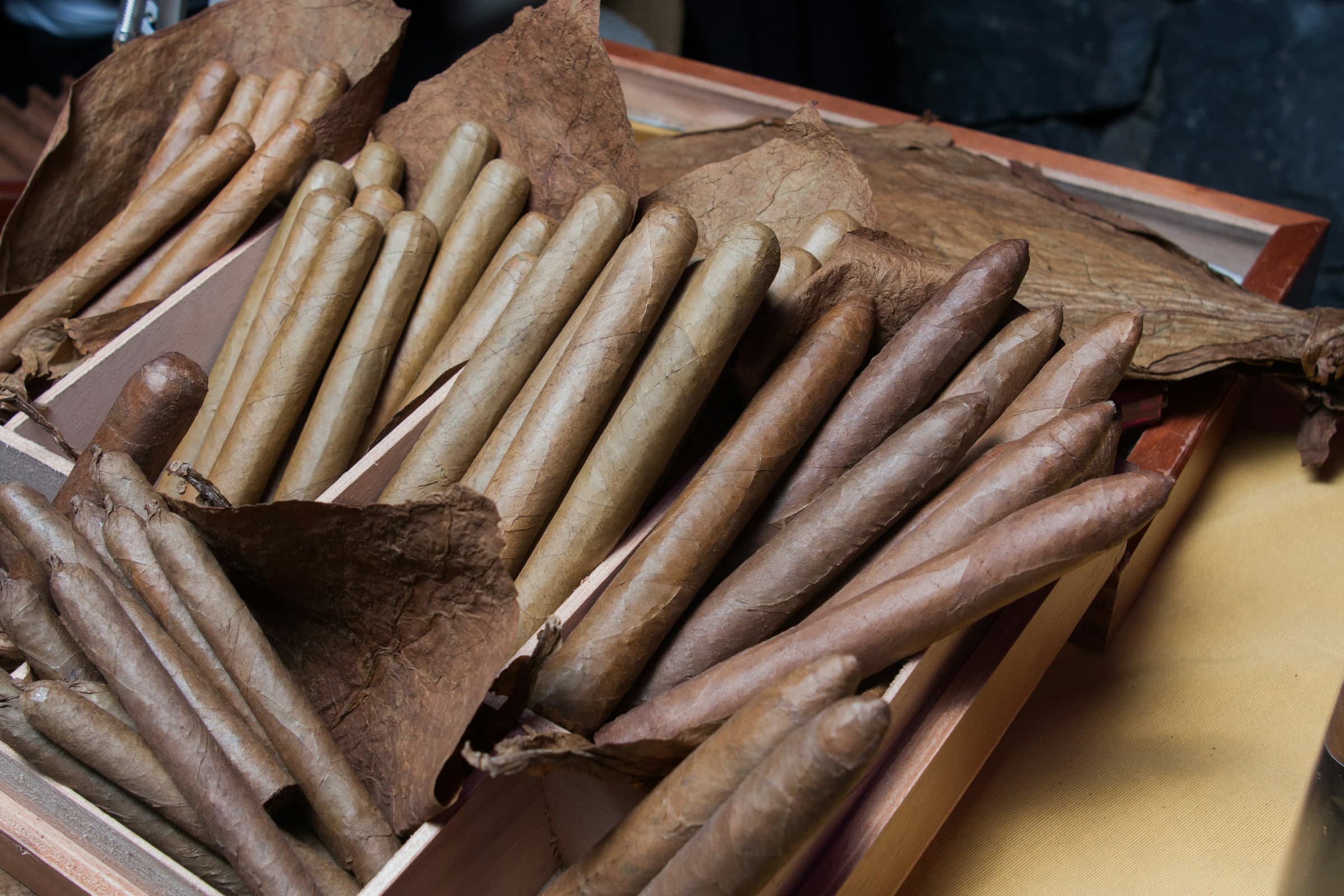
A practical guide to ultra-fine cigars—leaf pedigree, blend craft, draw/burn behavior, flavor progression, and storage.
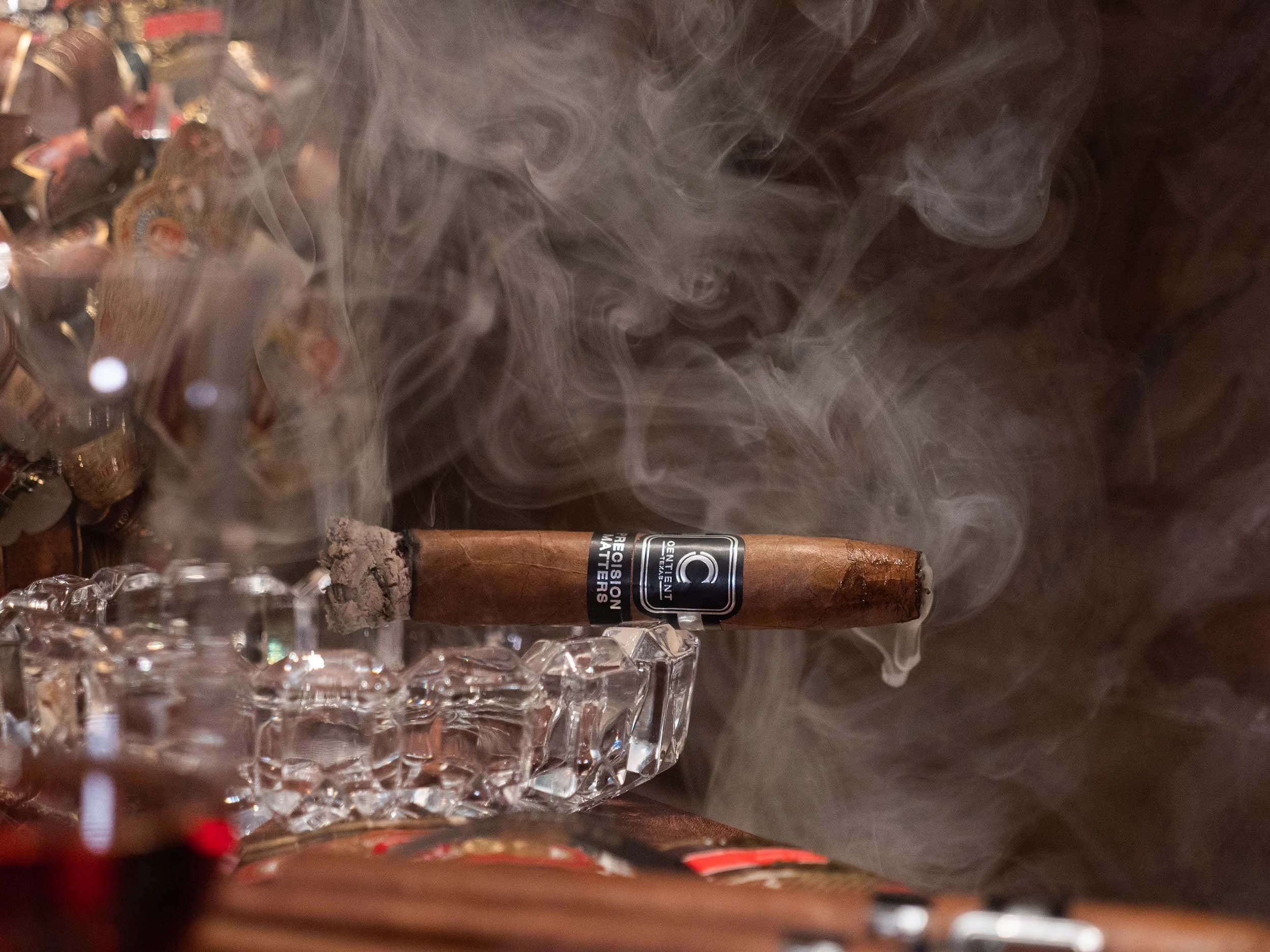
Mild cigars favor finesse: cream, hay, light woods, and gentle strength. How blends, wrappers, and storage create an easygoing profile.