
Essentials
Cigar Making
Airflow is everything. See how entubado, accordion/book, and other bunching methods affect draw, burn, and flavor—and when each approach shines.
The Conservatory · Tobacco Science & Terroir
Seed lineage and origin, curing, fermentation (pilones), ammonia reduction, time-in-tobacco (5/10/15 yrs), place and soil.
Airflow is everything. See how entubado, accordion/book, and other bunching methods affect draw, burn, and flavor—and when each approach shines.
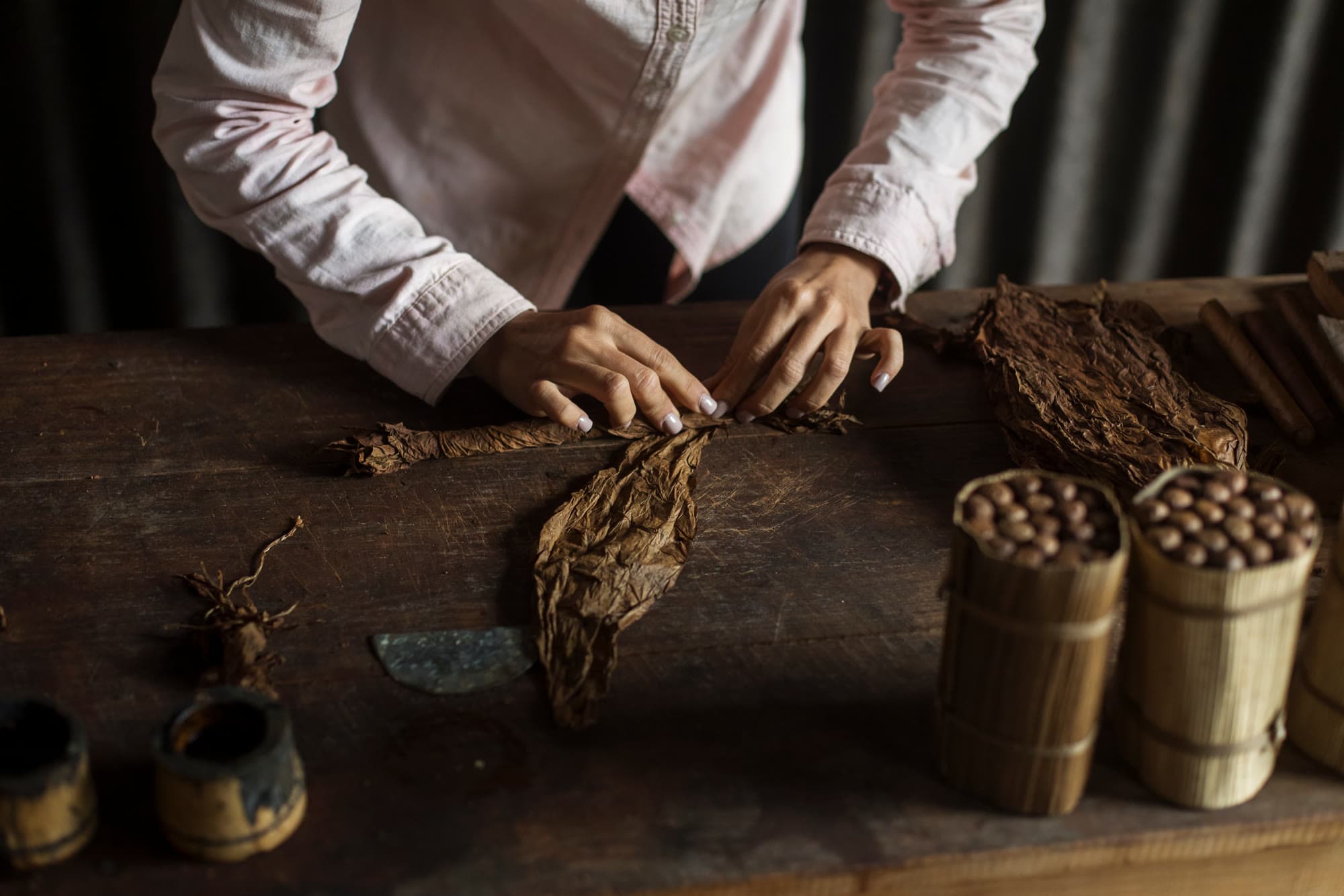
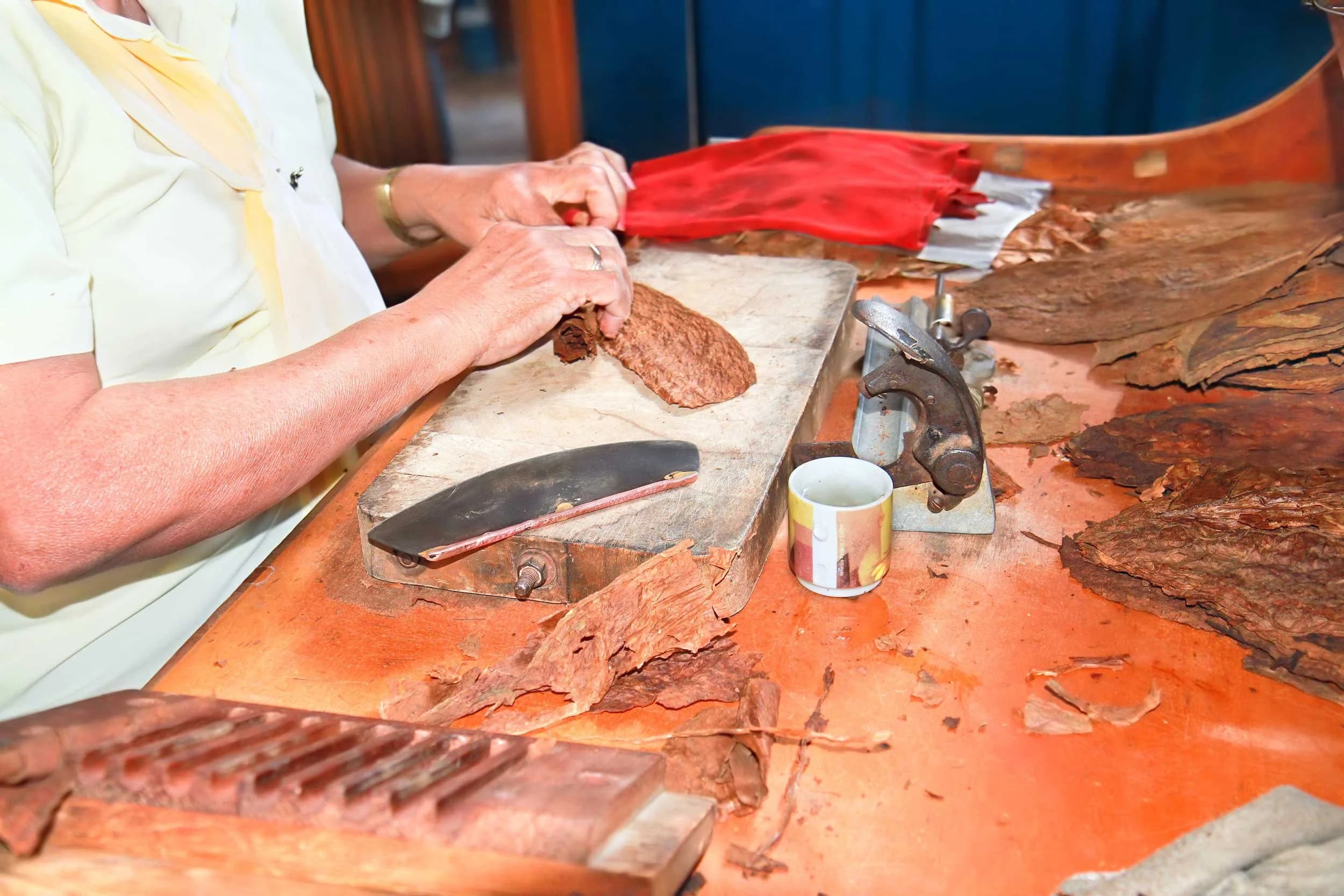
From idea to boxed cigar: setting the brief, picking leaf by role, prototyping, QC, and the post-roll rest that makes profiles sing.
Showing 10 of 10
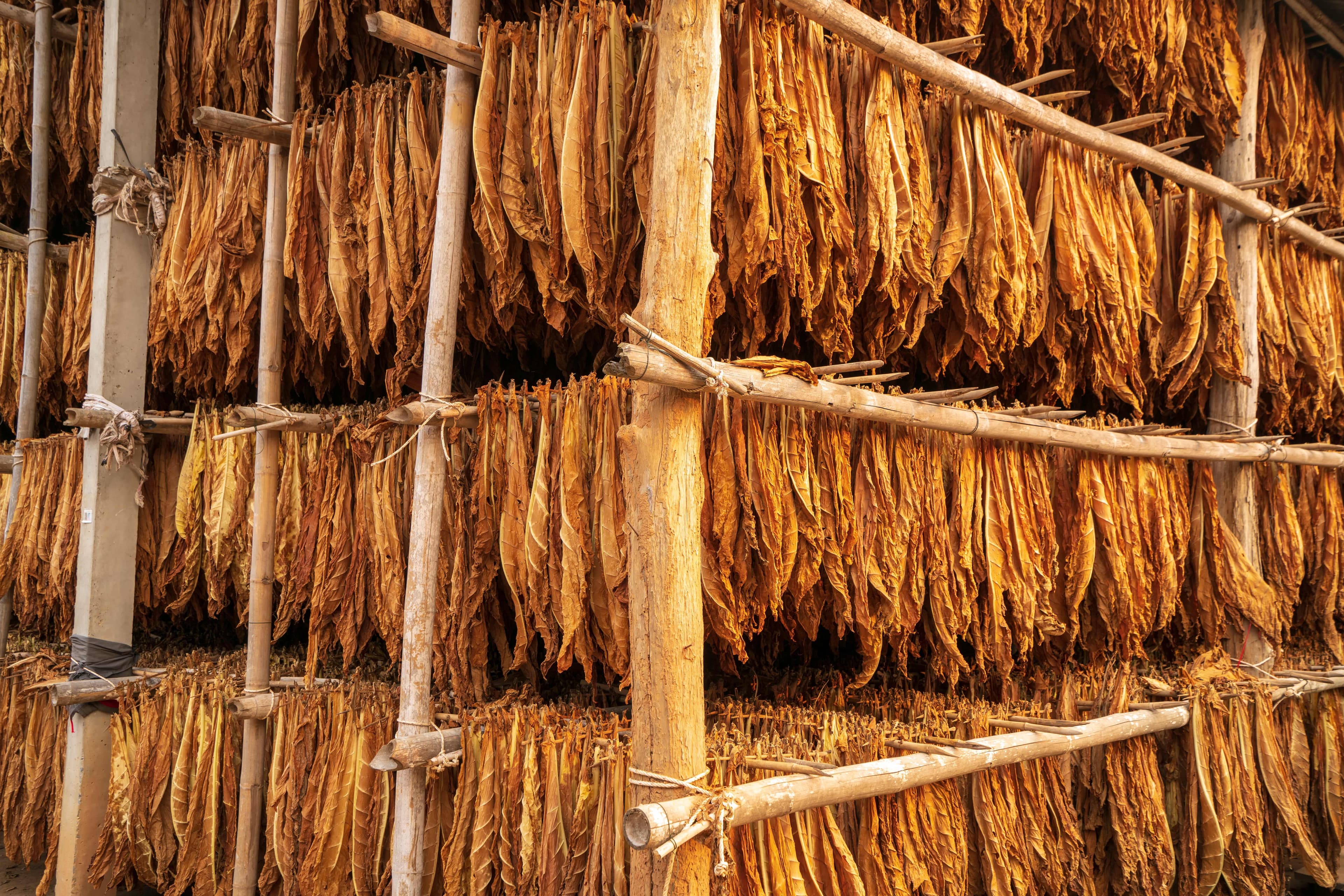
Inside the curing barn: selective primings, air-curing timelines, risk control, and the post-cure steps that set premium cigars up for greatness.
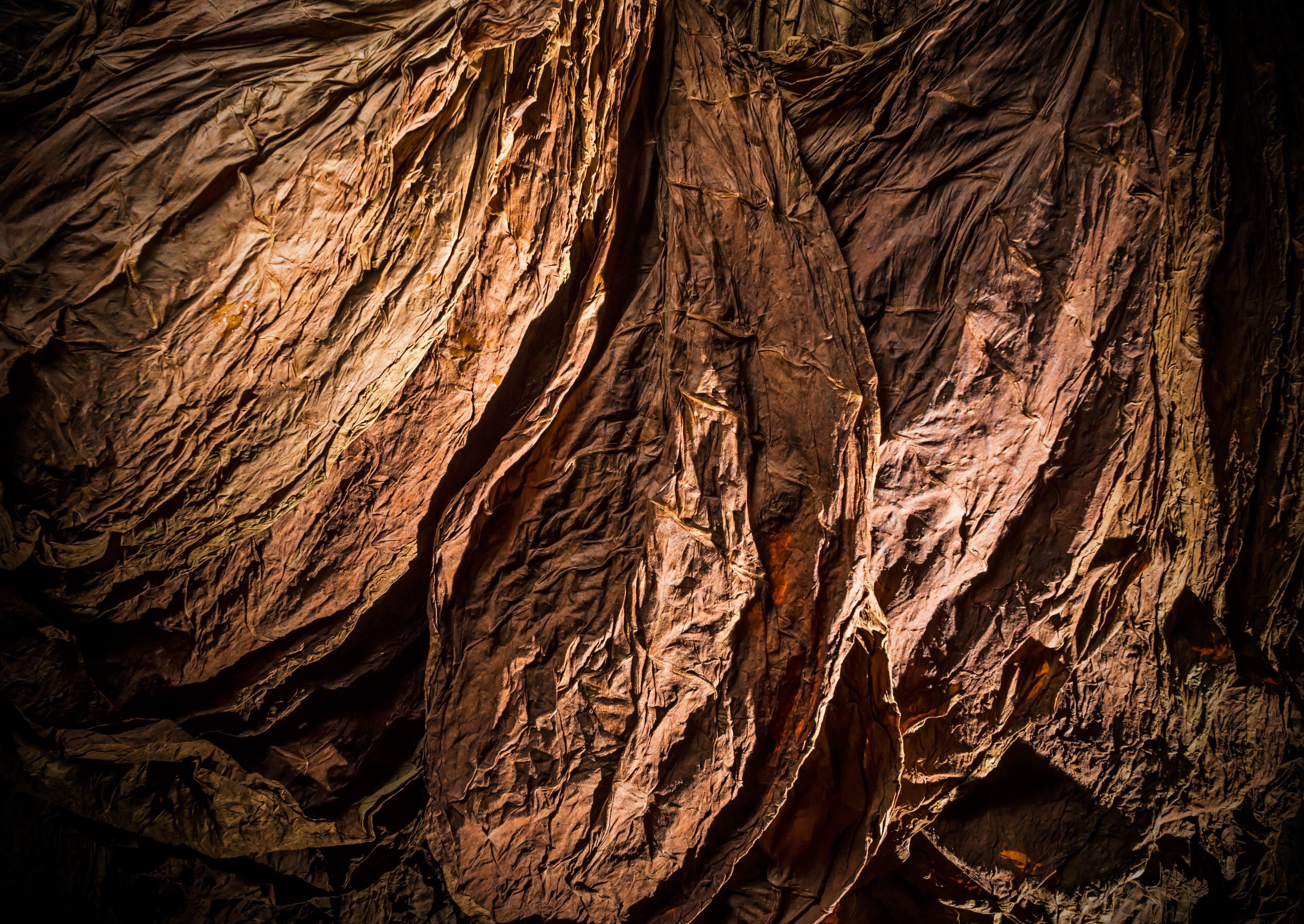
Curing 101: what happens in the barn, why air curing rules for premium cigars, common risks, and how it sets the stage for fermentation and aging.
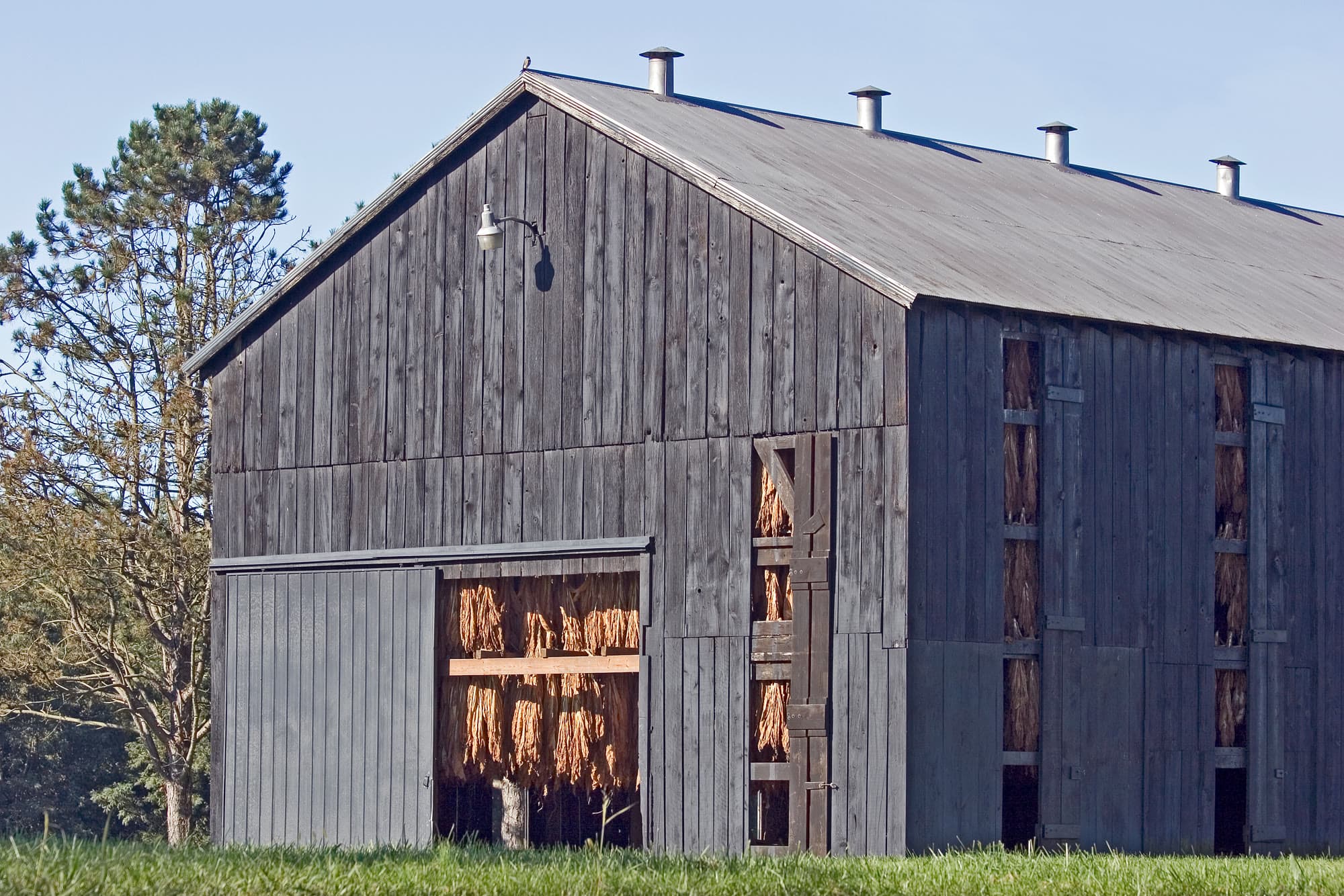
Fermentation, explained: the microbes, the bubbles, the flavors—and why it’s different from curing. From chocolate to kimchi to kombucha.
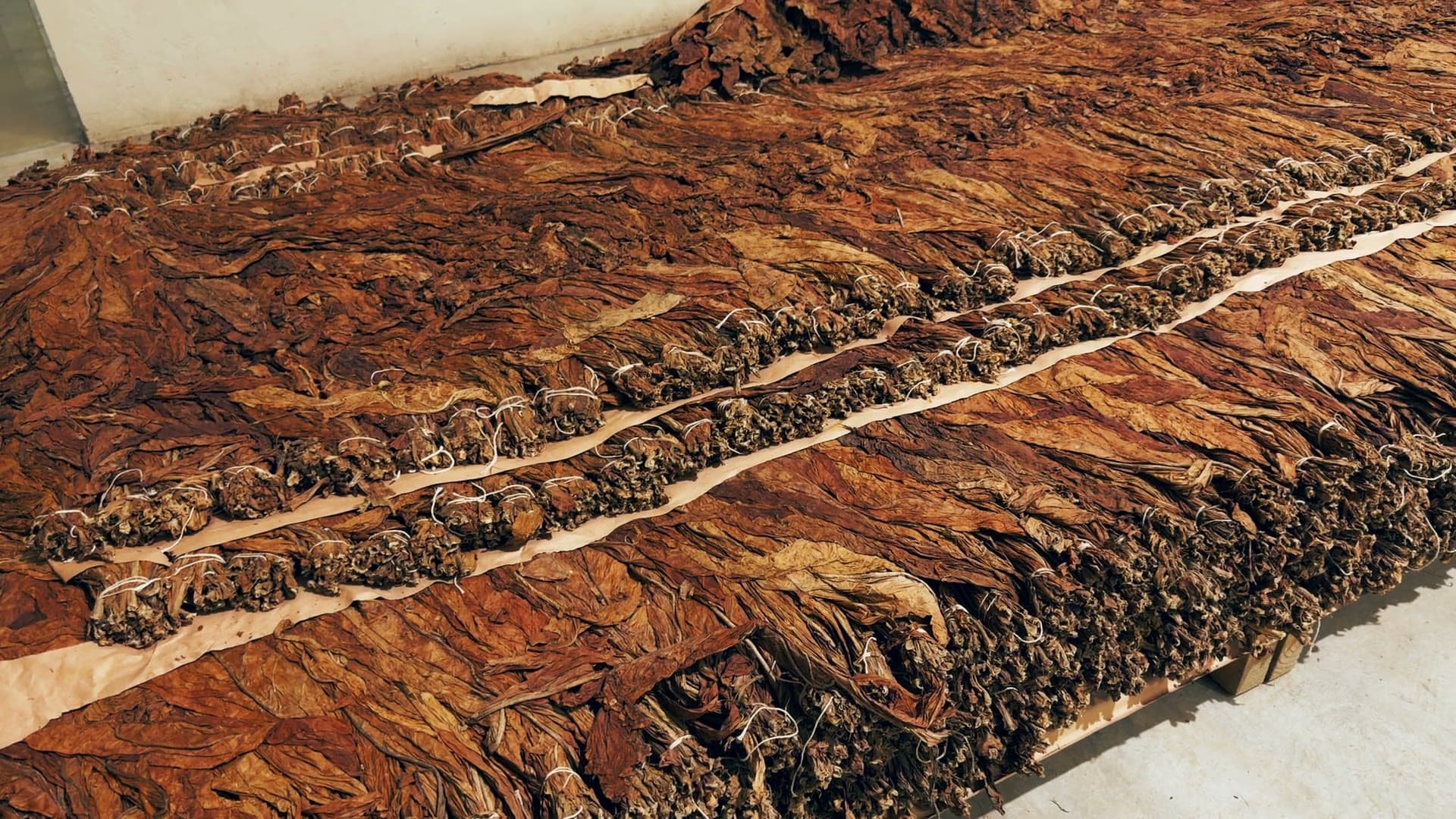
Fermentation turns cured leaf into cigar-ready tobacco—less ammonia, richer aroma, cleaner burn. Ten quick facts to read like a pro.
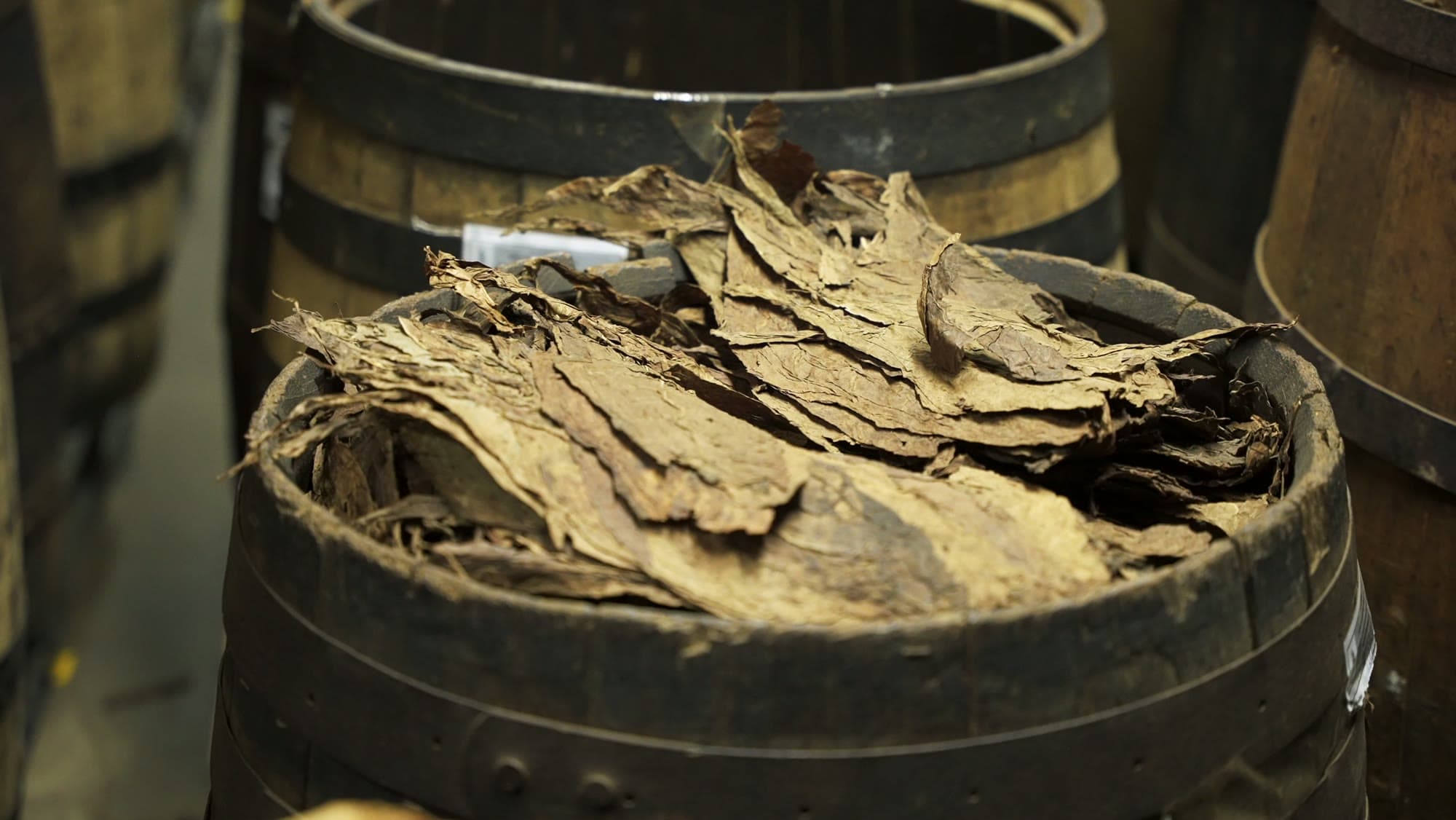
What “accelerated aging” really does: intensified fermentation, conditioning, pressing, barrels, and additives—how close it gets and where it falls short.
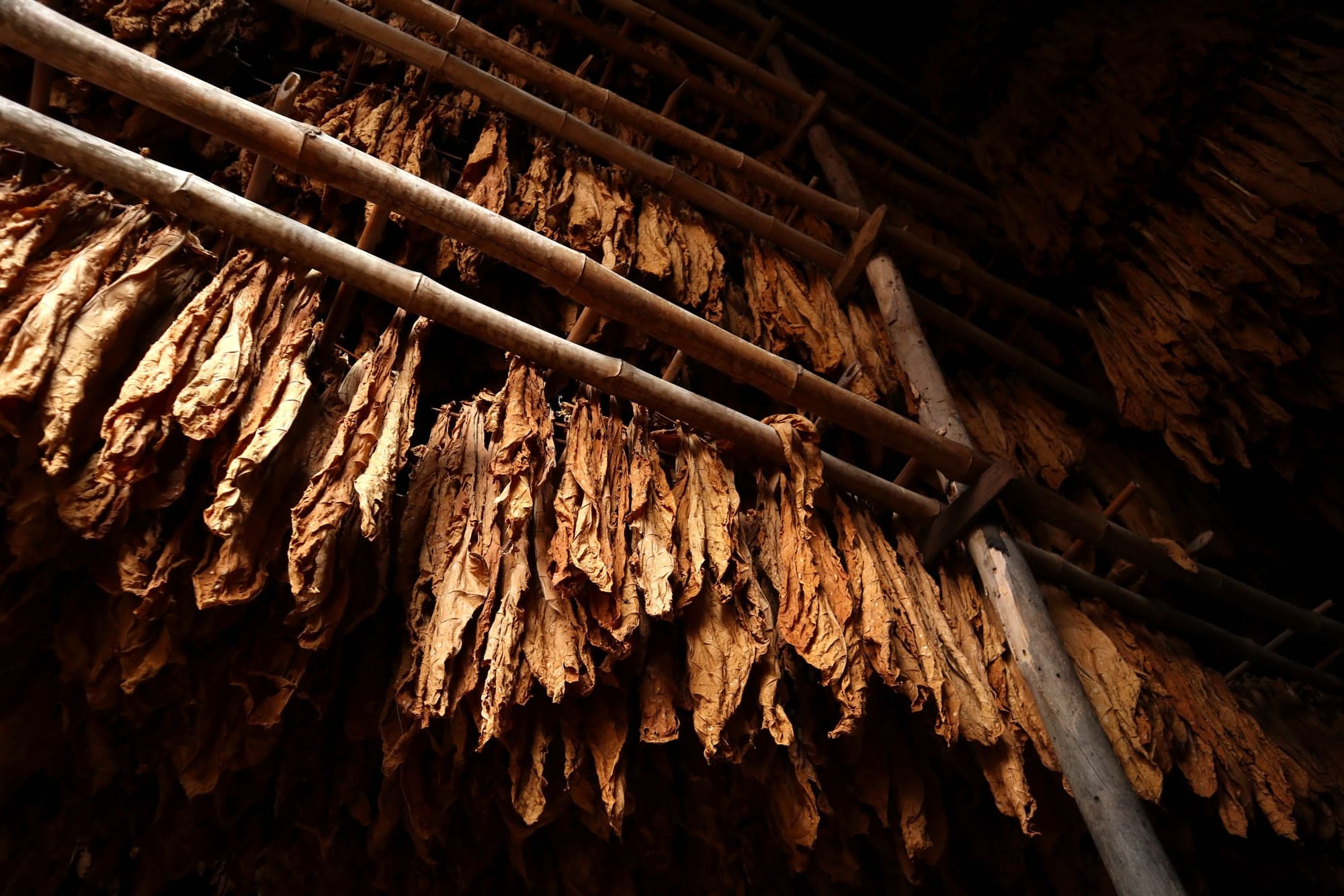
Age is a tool—not a trophy. What 5, 10, and 15+ years actually do to tobacco, why not all leaf ages the same, and how to buy and store wisely.
What fermentation vs. aging really do in cigars—how pilones reduce harshness, how aging marries flavors, and the quick cues of well-finished tobacco.
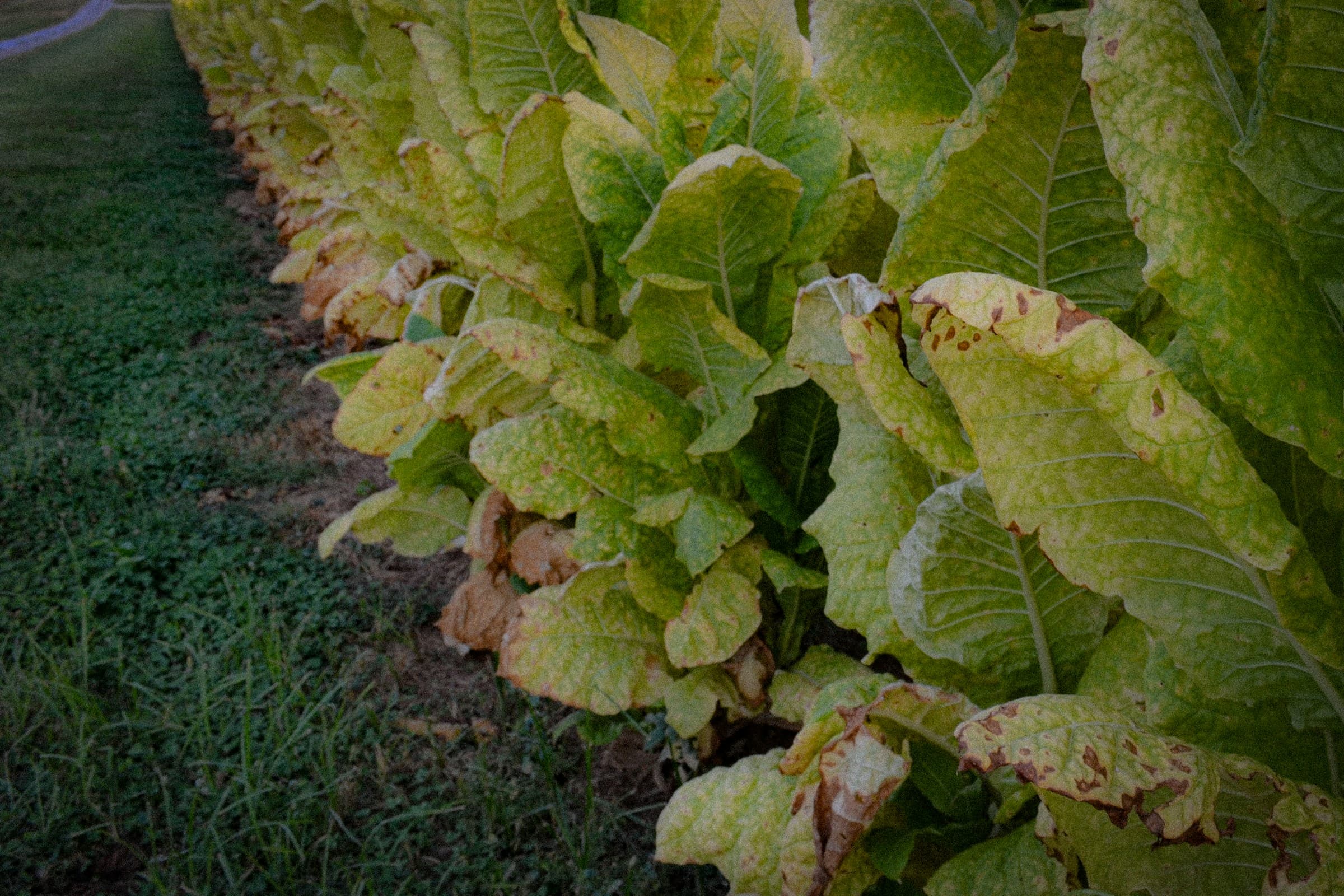
A clear tour of cigar-making—from seed genetics and field primings to curing, fermentation, blending, rolling, and post-roll aging. What each stage contributes to flavor and draw.
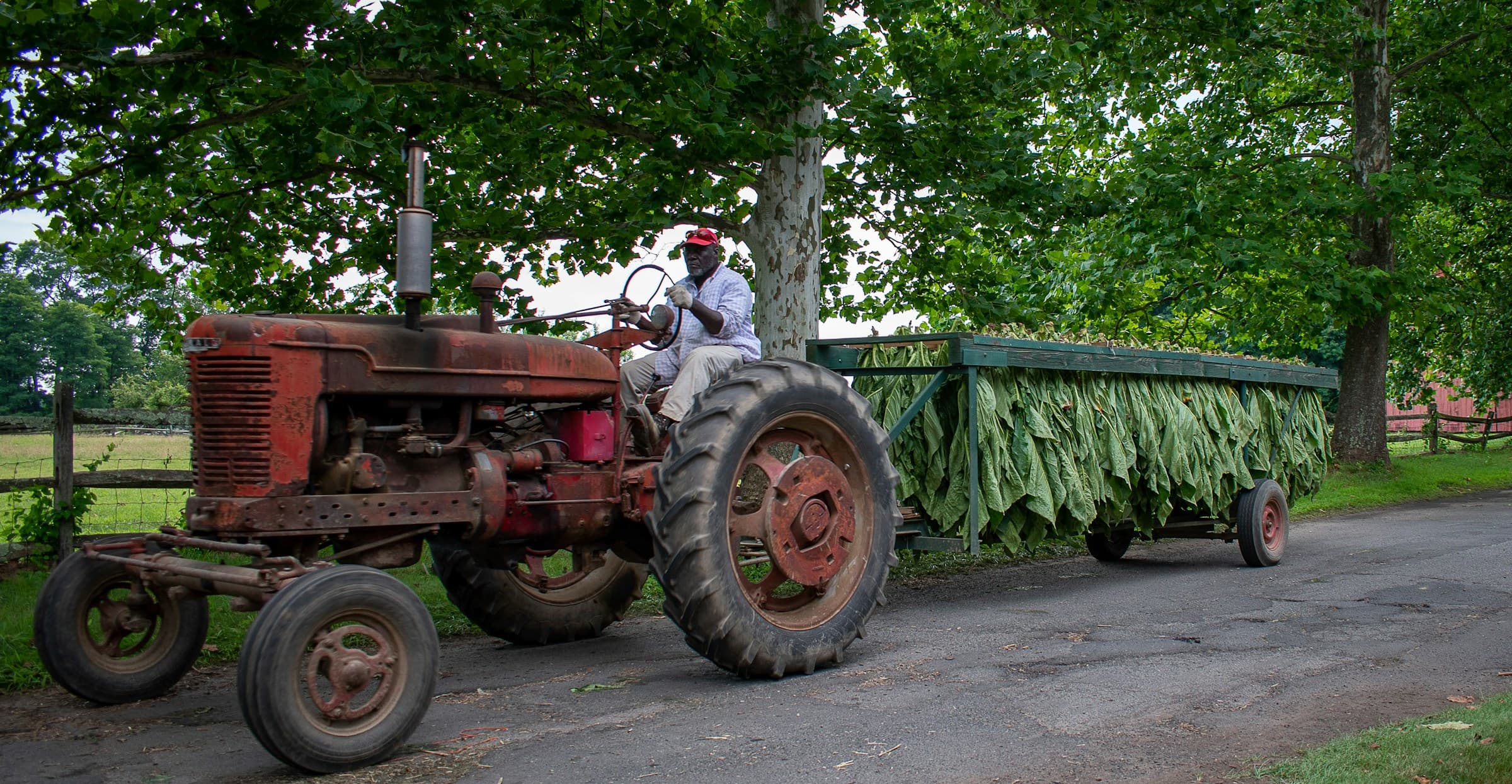
Seed is genetics; origin is place. Understand Cuban seed, Connecticut Shade vs. Broadleaf, and how terroir changes the smoke.
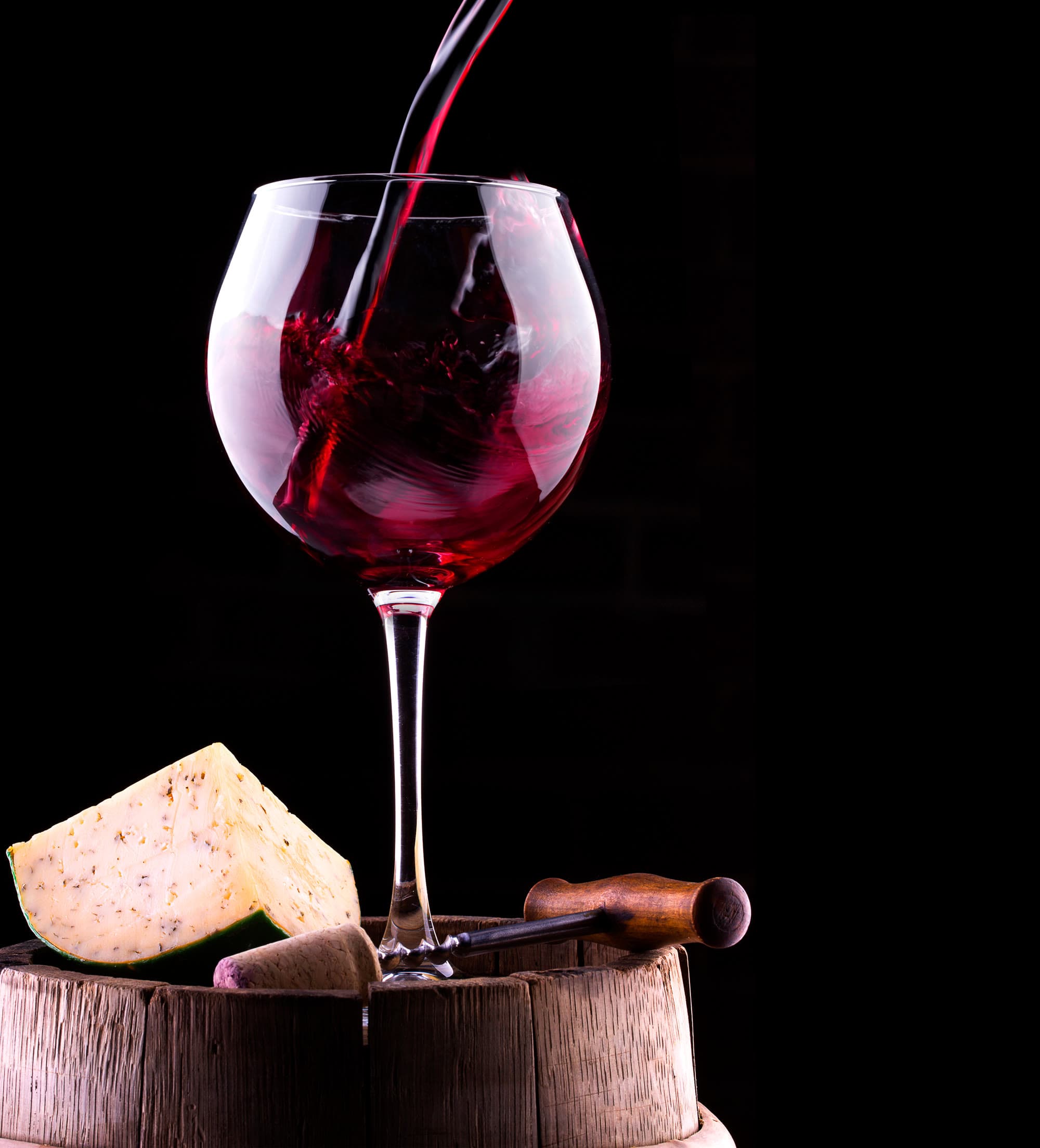
Seed = varietal. Origin = terroir. A quick, wine-inspired way to predict cigar flavor and decode bands.