
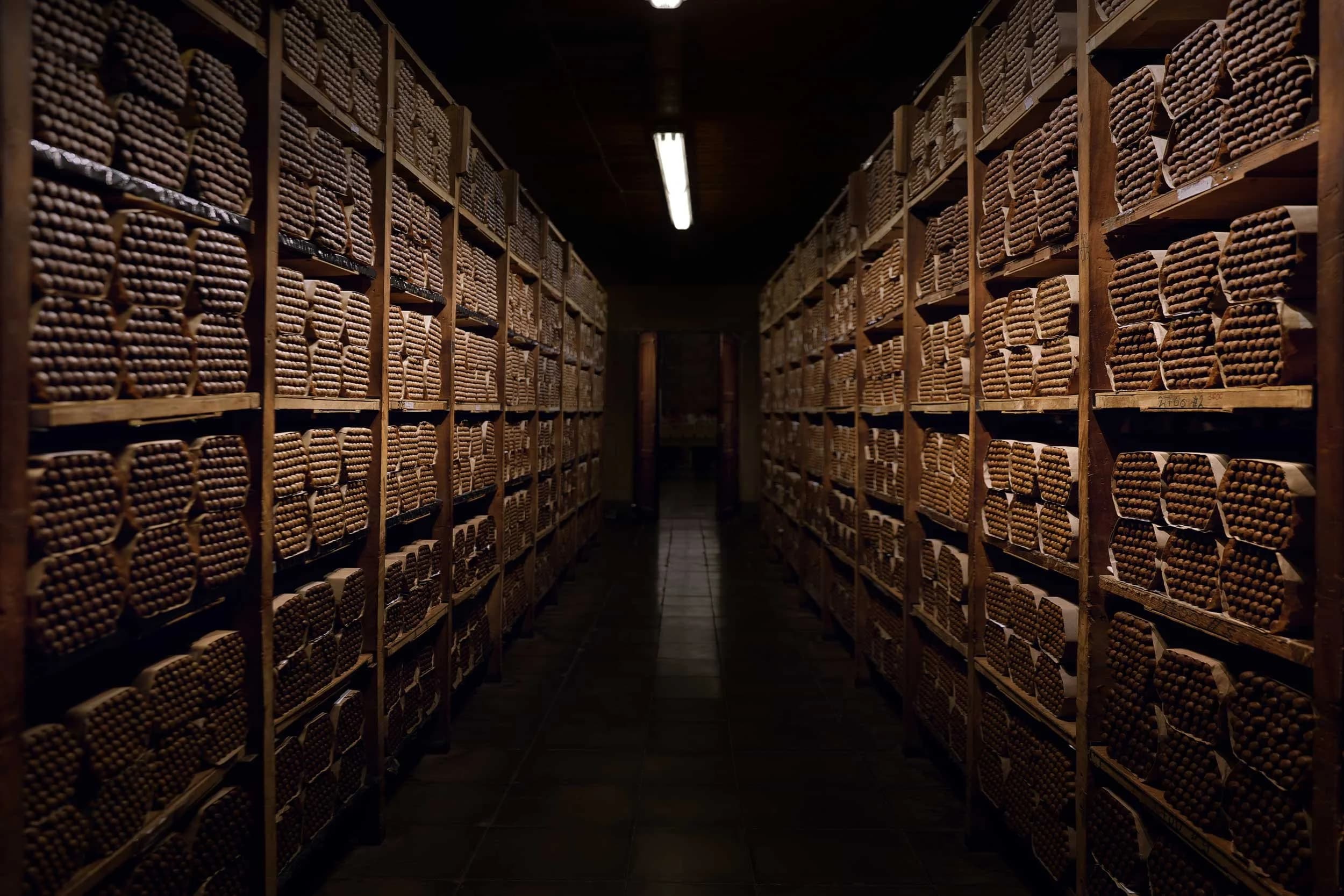
Featured
The Discreet Art of Cigar Collecting and Maturation
Stability over spectacle. How to set RH/°F, condition with 2-way packs, quarantine new boxes, and map flavor over years—without the noise.
Humidor craft, humidity science, and cigar literacy—curated from the Journal.
Stability over spectacle. How to set RH/°F, condition with 2-way packs, quarantine new boxes, and map flavor over years—without the noise.

Proportion is the quiet engineering behind composure. A plain-English guide to the golden ratio, root rectangles, and the rule of thirds—and how we use them to shape calm, purposeful humidors.
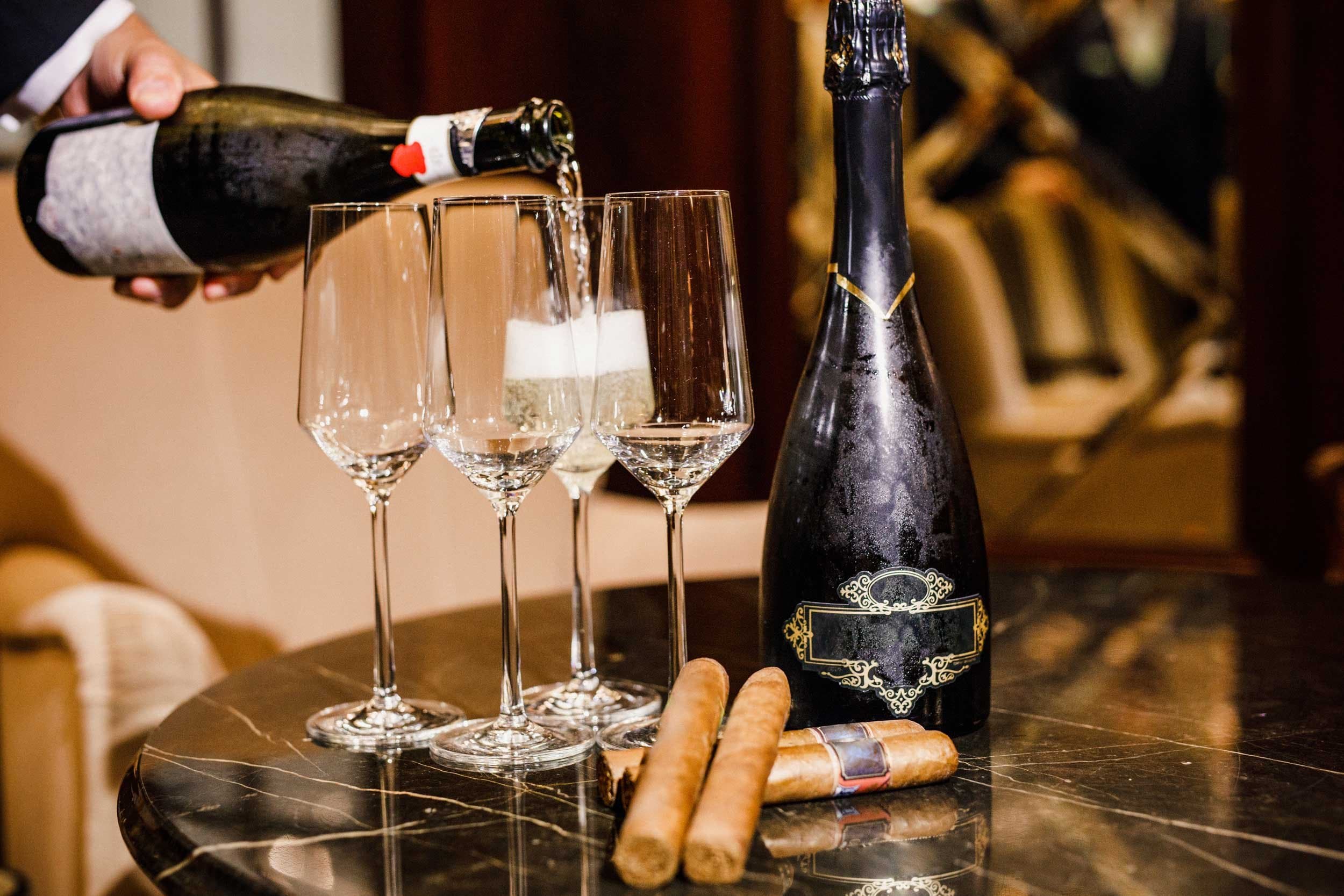
Yes—Champagne can pair with cigars. Match delicacy, pick the right style, and pace your sips for a refined, celebratory combo.
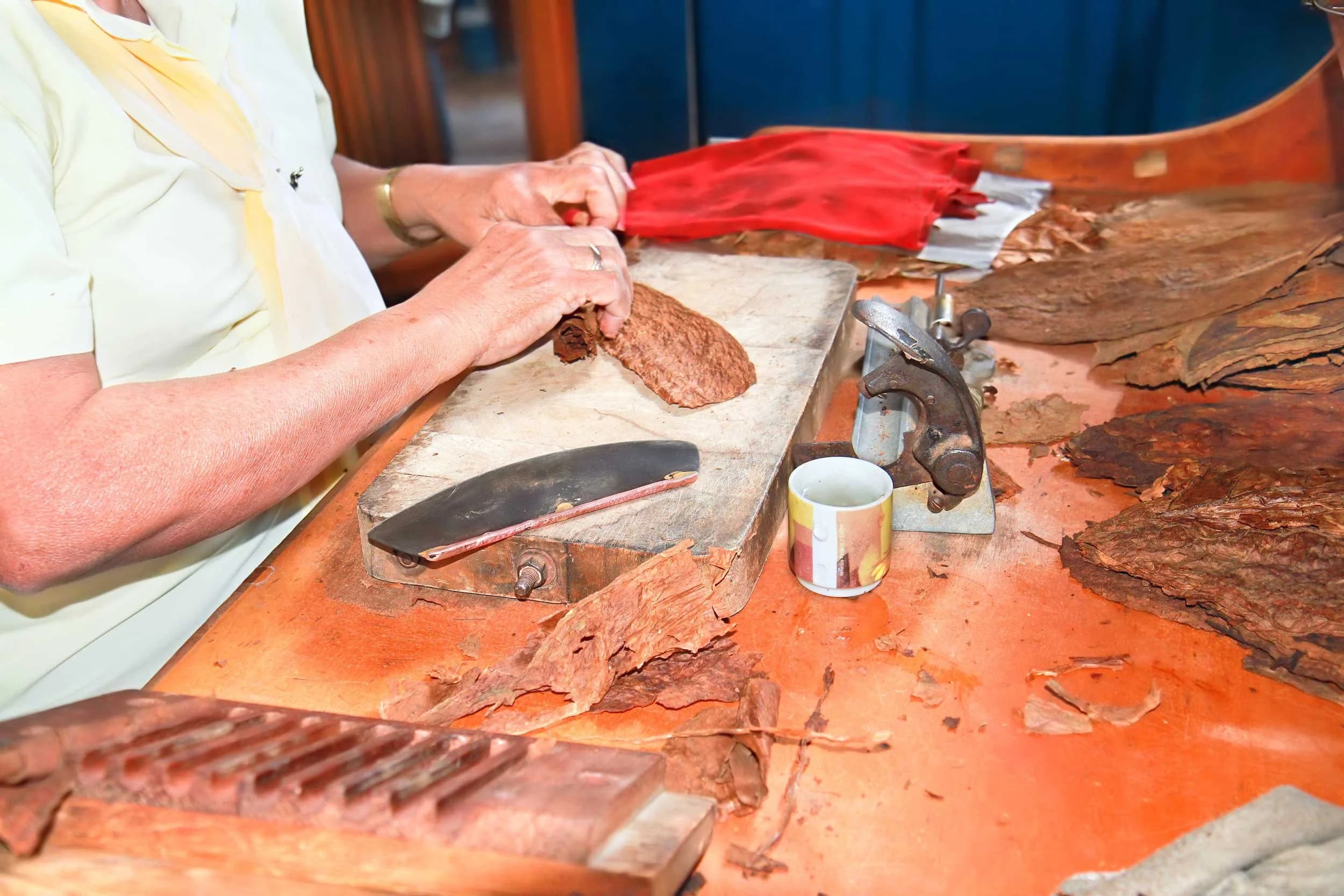
Airflow is everything. See how entubado, accordion/book, and other bunching methods affect draw, burn, and flavor—and when each approach shines.
Showing 12 of 50
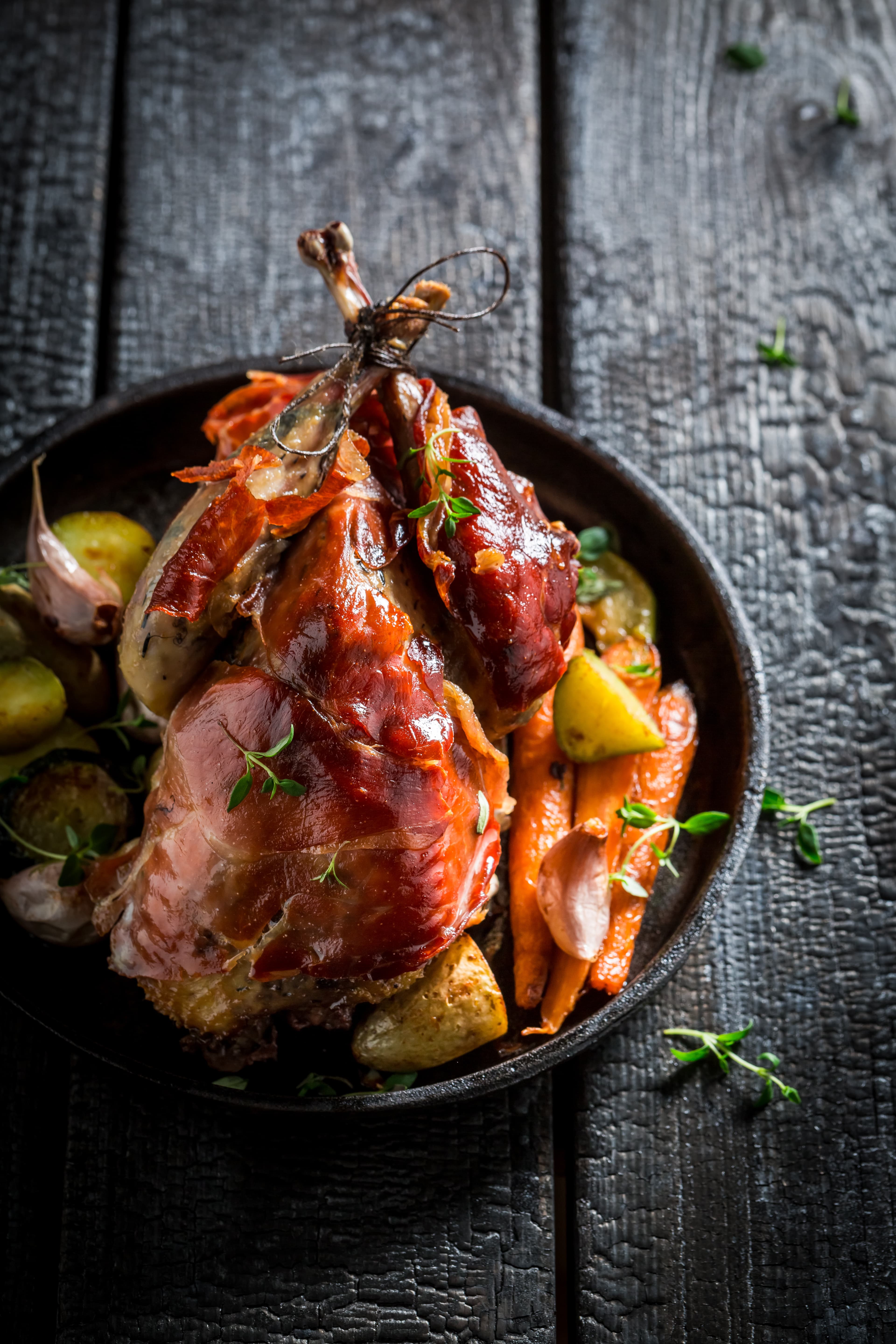
Quail, pheasant, partridge, dove, wild duck, and venison: hunted birds and a lean red beside construction. Farm poultry has its own essay.
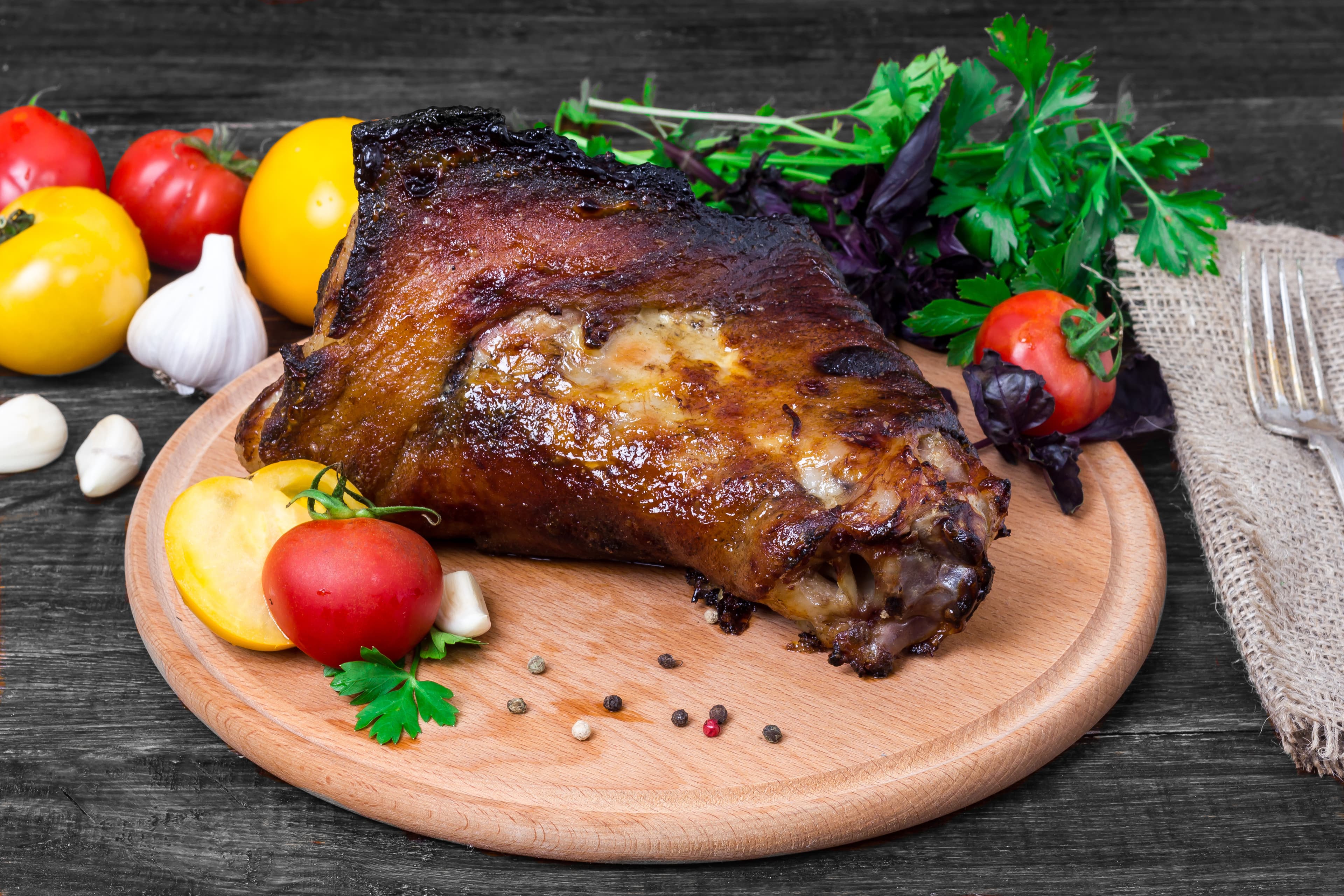
Roast, chop, ham, and barbecue: fat, salt, and a sweetness sauces will try to double. The cured board has its own essay.
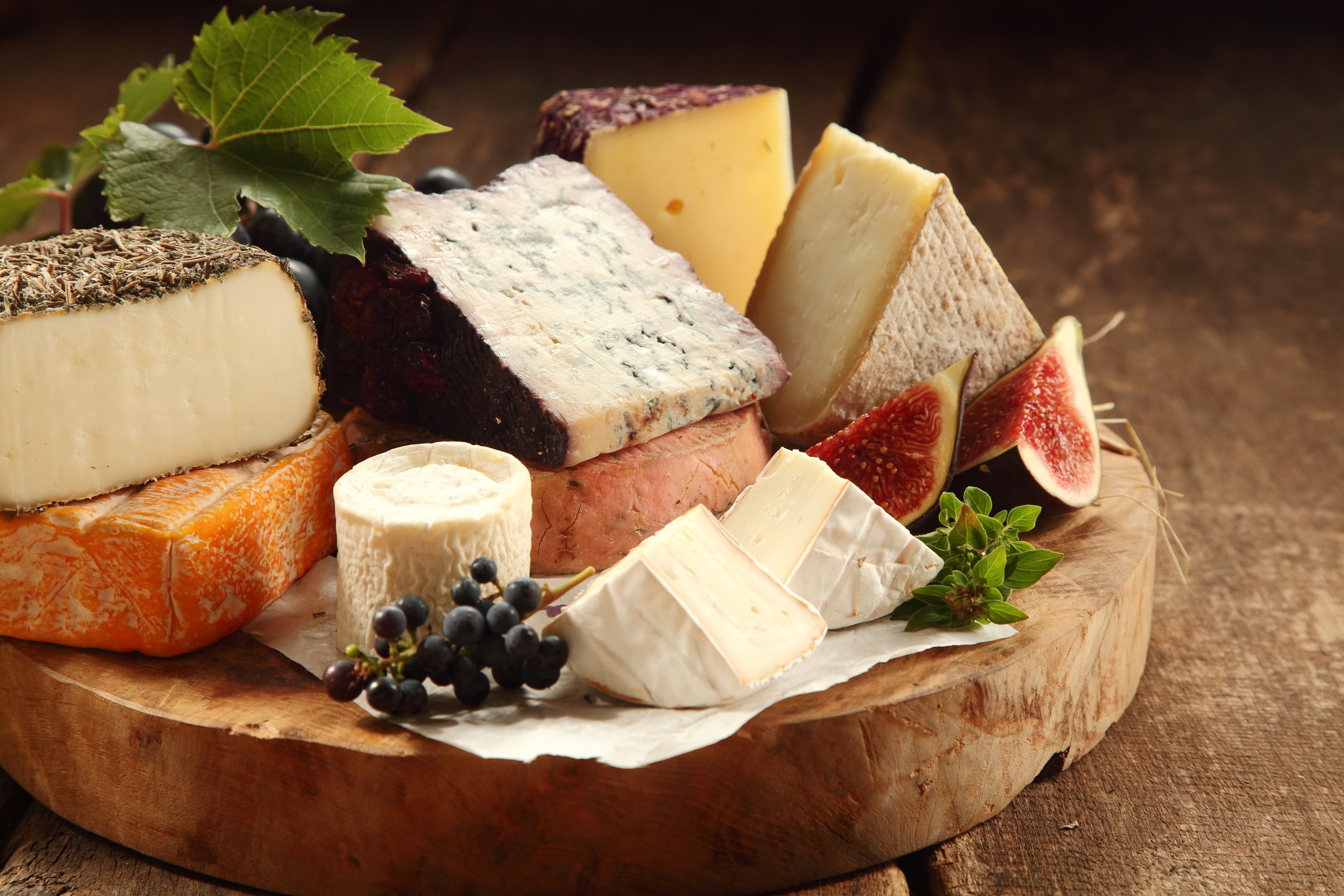
Milk type, age, and rind beside wrapper oil—from cheddar and Manchego to Comté, Époisses, and Stilton.
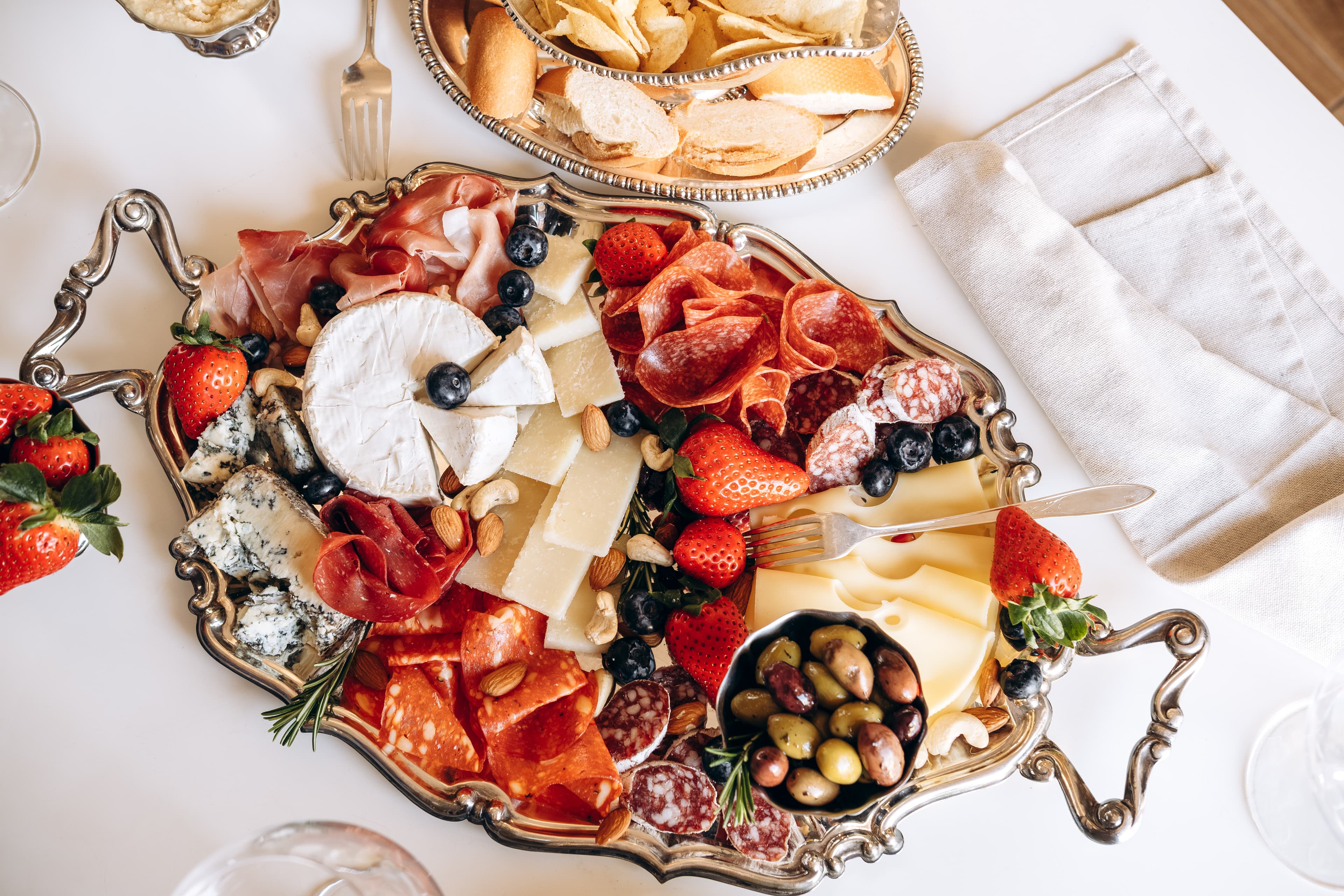
The board as a system: salt, fat, acid, and sequence beside smoke. Cheese and wine have their own essays.
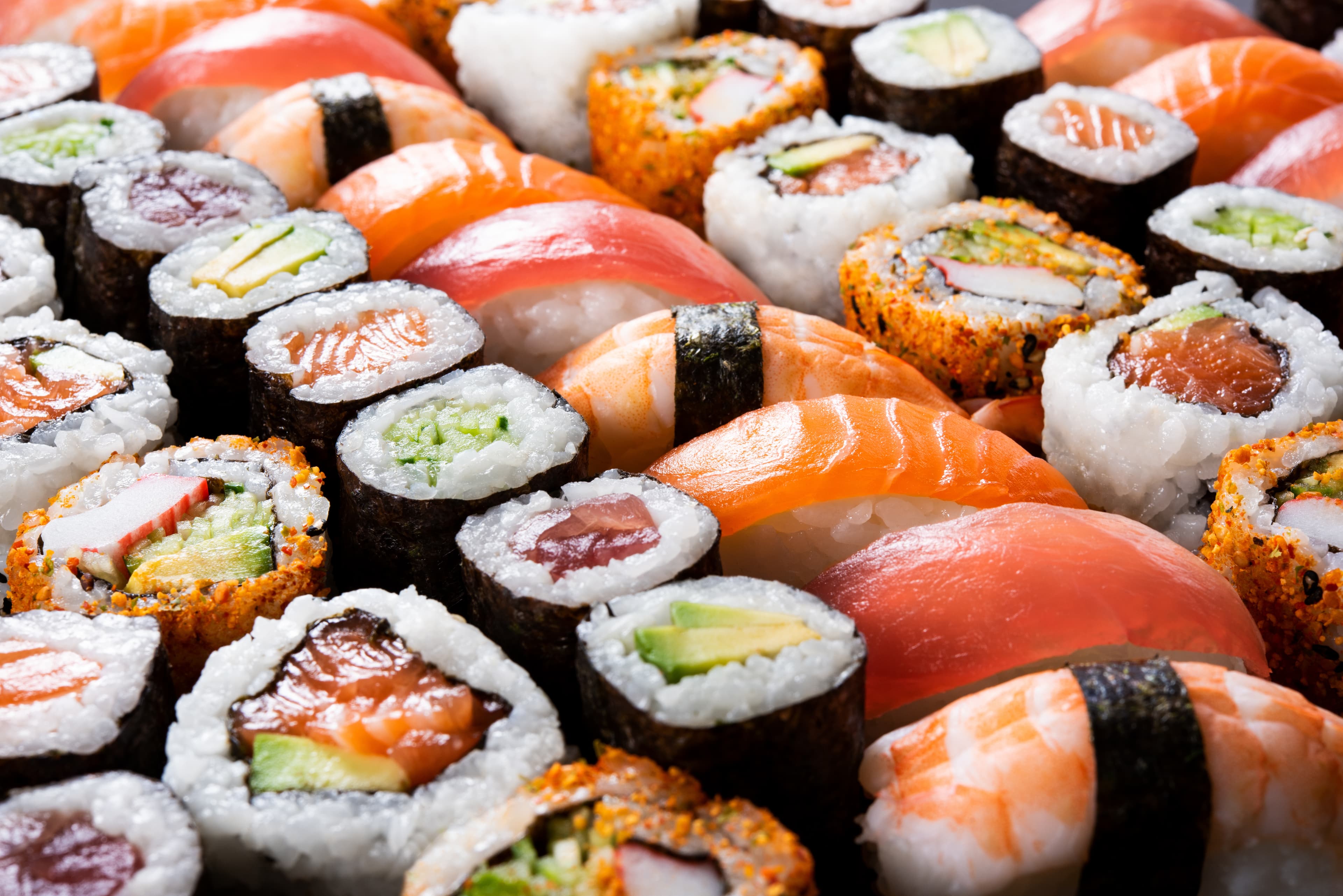
Rice, vinegar, soy, and fat: why a heavy ligero wrecks sashimi, and when shade or Cameroon can sit with toro.
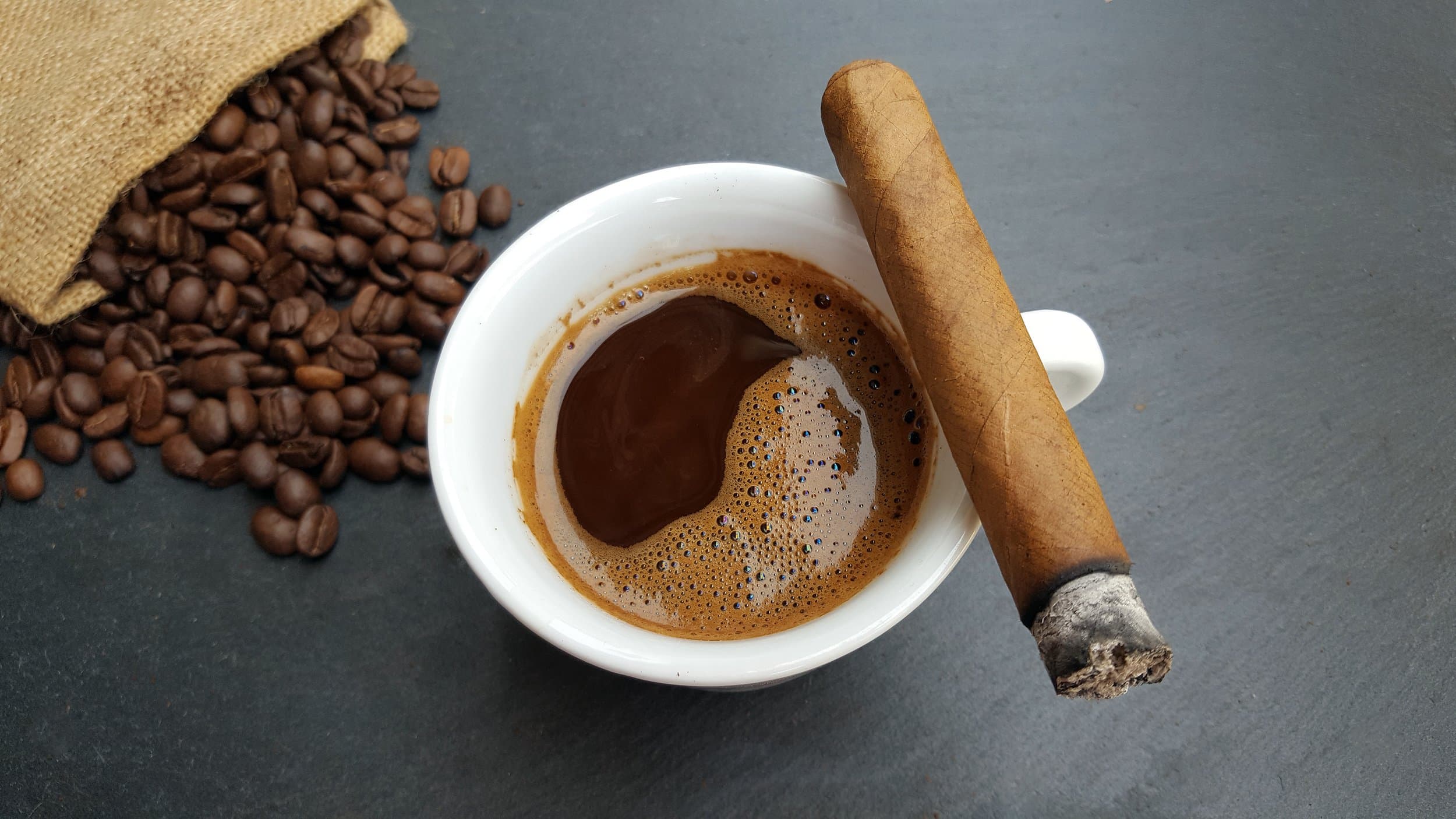
Roast, extraction, and pace: how espresso, filter, and origin coffee sit beside shade, Habano, and maduro constructions.
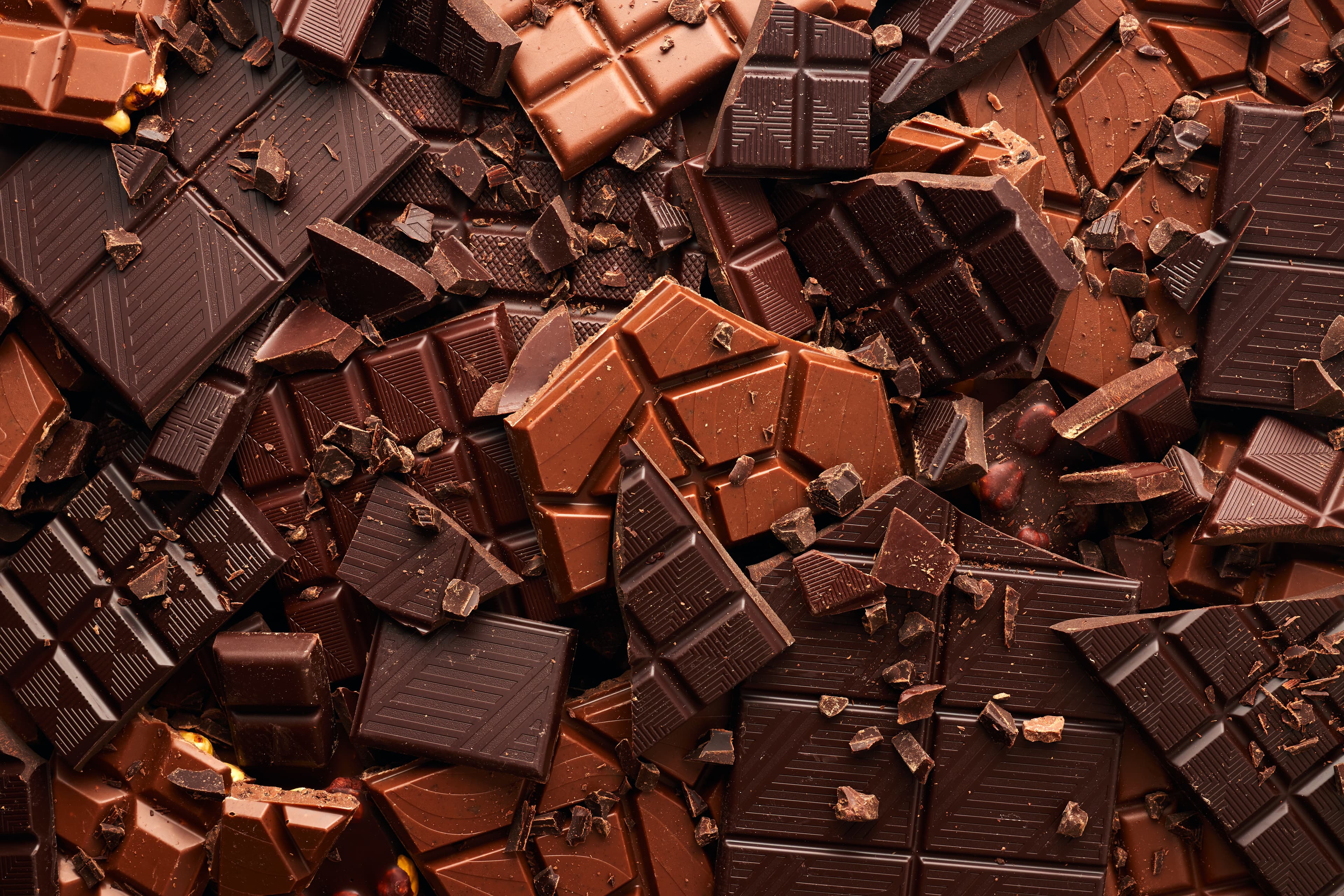
Cacao, sugar, and fat against wrapper oil—why percentage and origin matter more than the dessert tray.
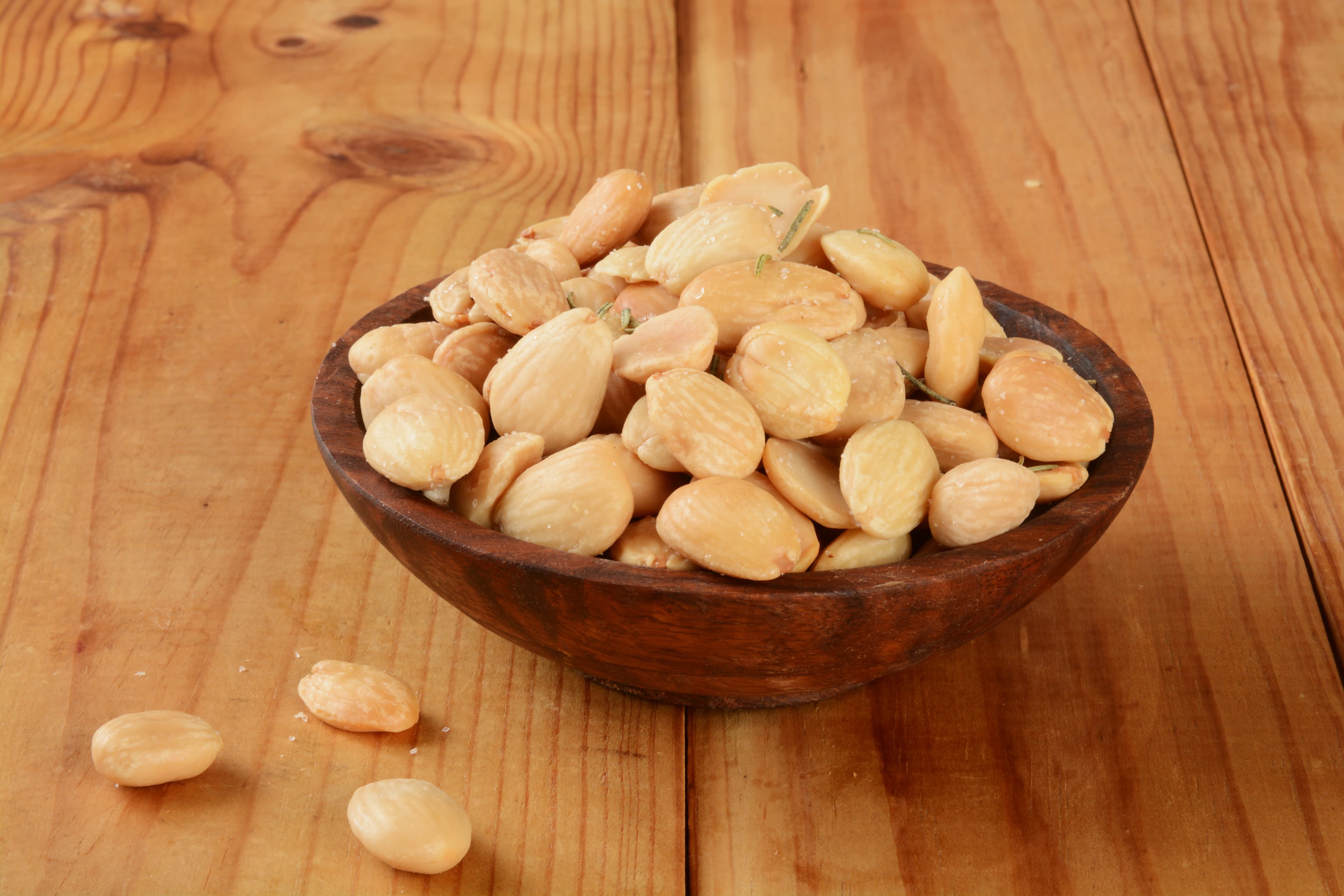
Marcona, roast, salt, and turrón: how nut fat extends smoke without turning the pairing into confection.
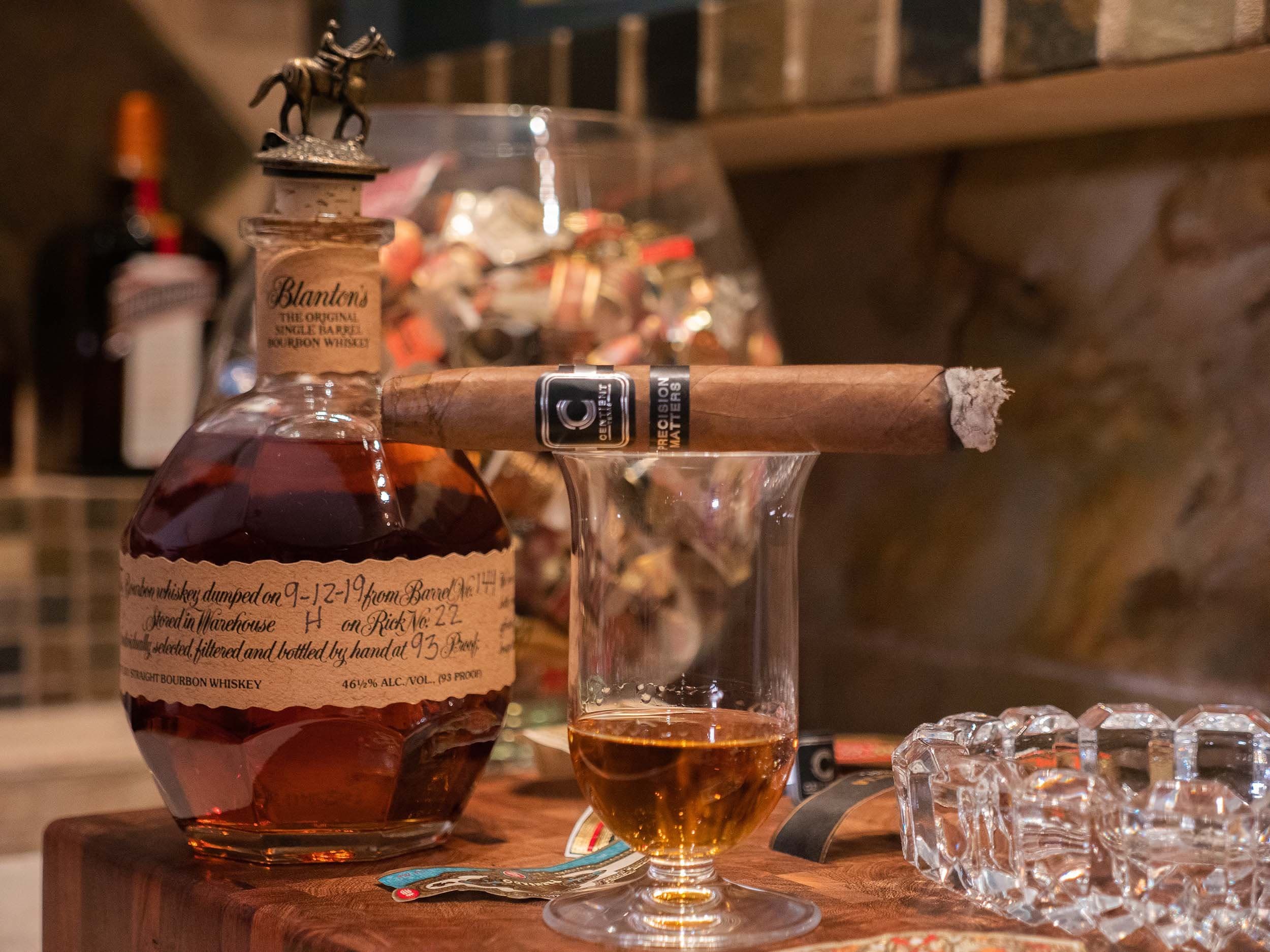
Mashbill, rickhouse, and proof: from Buffalo Trace and Eagle Rare to Booker’s and the allocated bottles, matched to cigar construction.
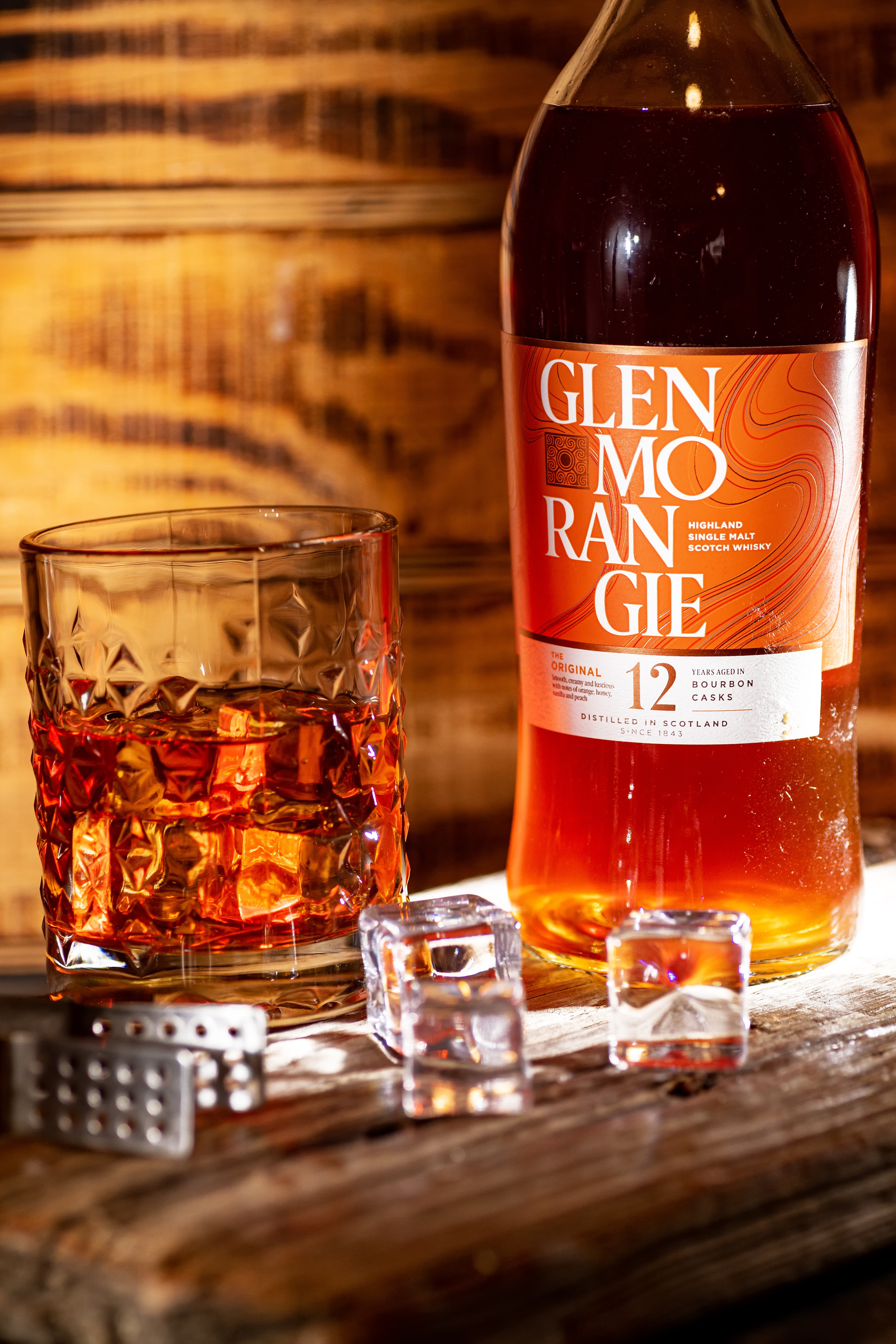
Sherry cask, bourbon cask, and peat: why Macallan 12 and an Islay are different conversations with the same cigar.
Rye, Irish pot still, and Japanese whisky as their own pairing languages—not a footnote to bourbon or Scotch.
Spanish column, English pot, and agricole: sipping rum versus mixing rum, and which constructions the cigar can carry.
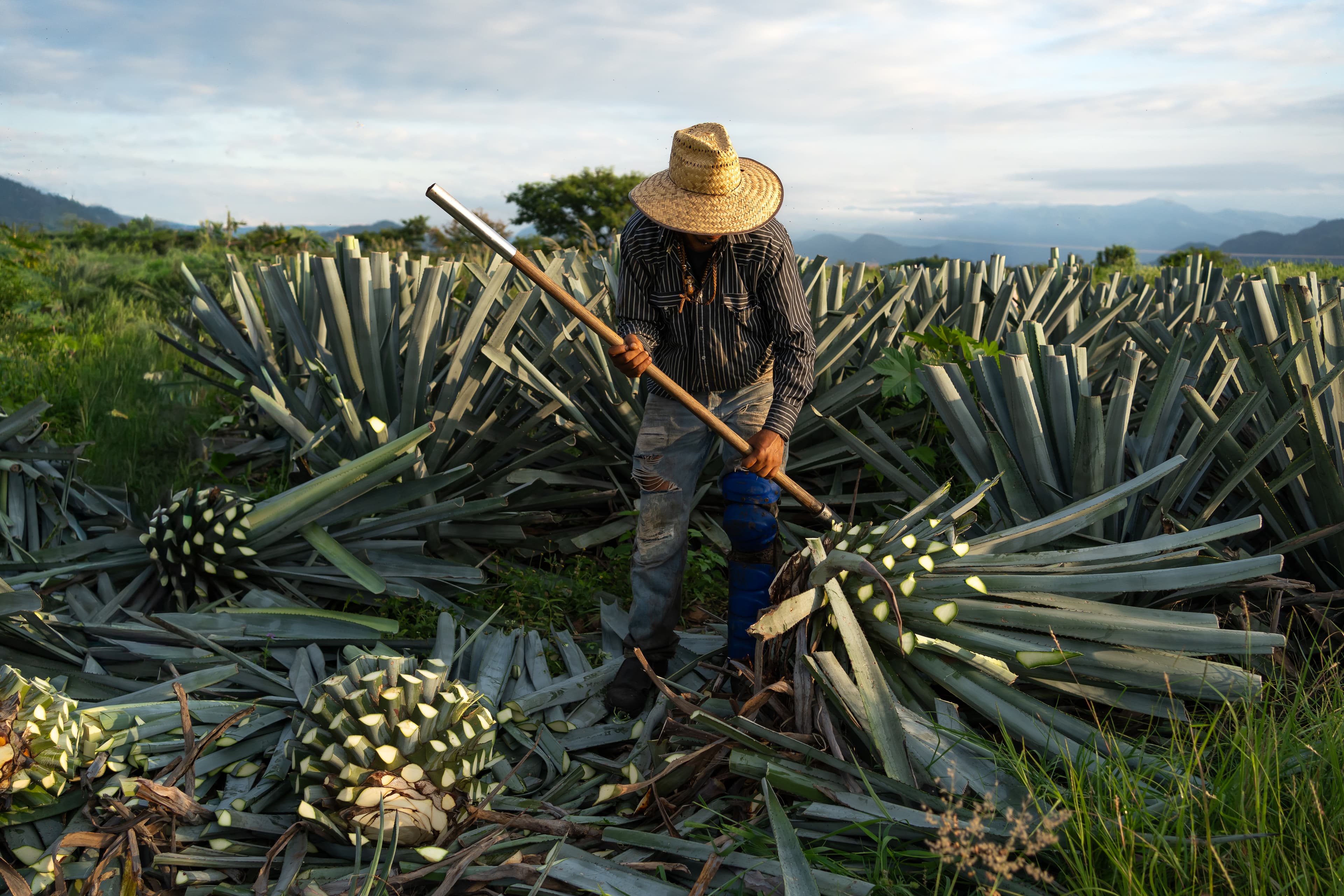
Agave, oven, and time in wood: blanco through extra añejo, additive-free houses versus the celebrity bottle.
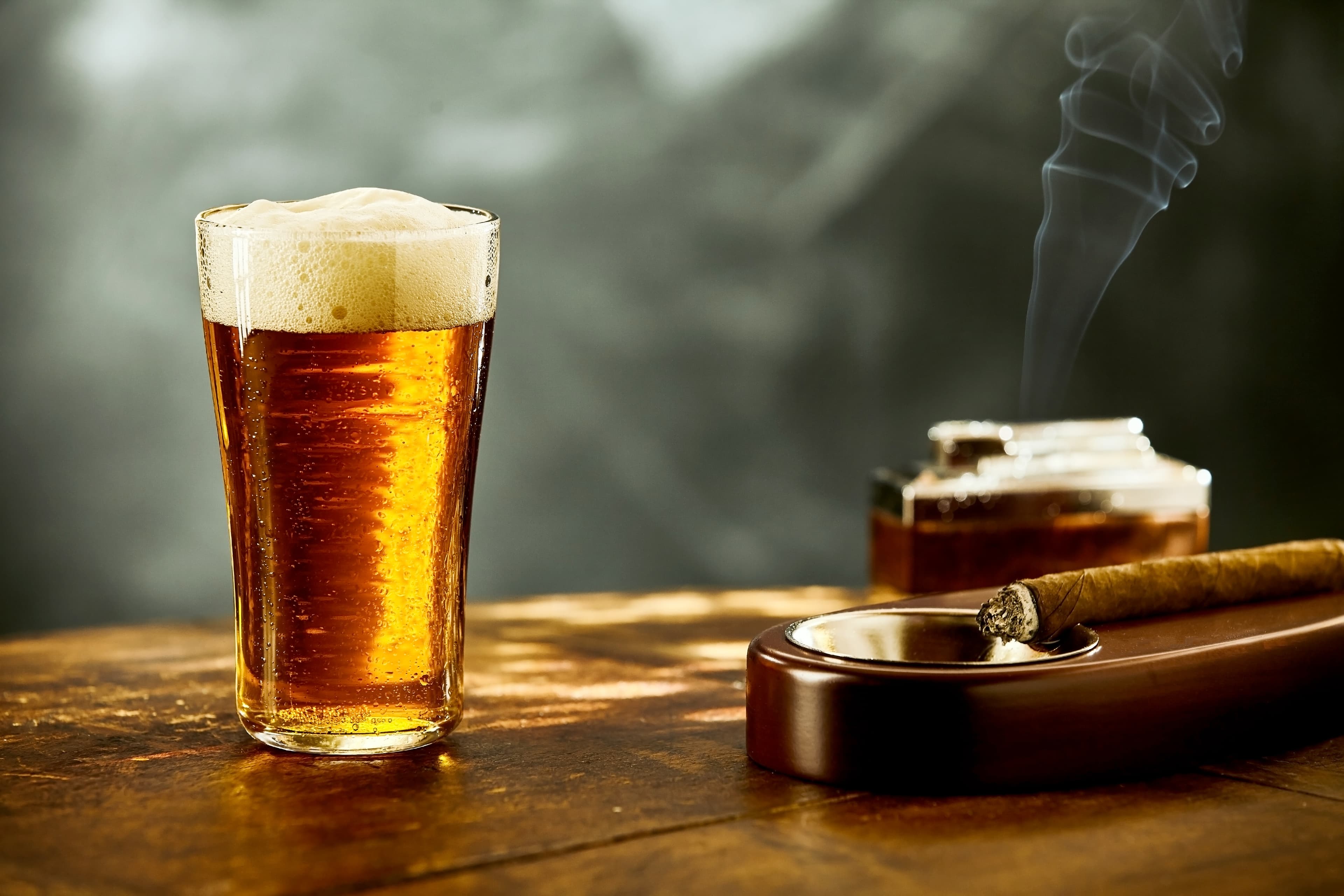
Lager, saison, porter, and Belgian malt beside cigar construction—why hops usually pick a fight with smoke.
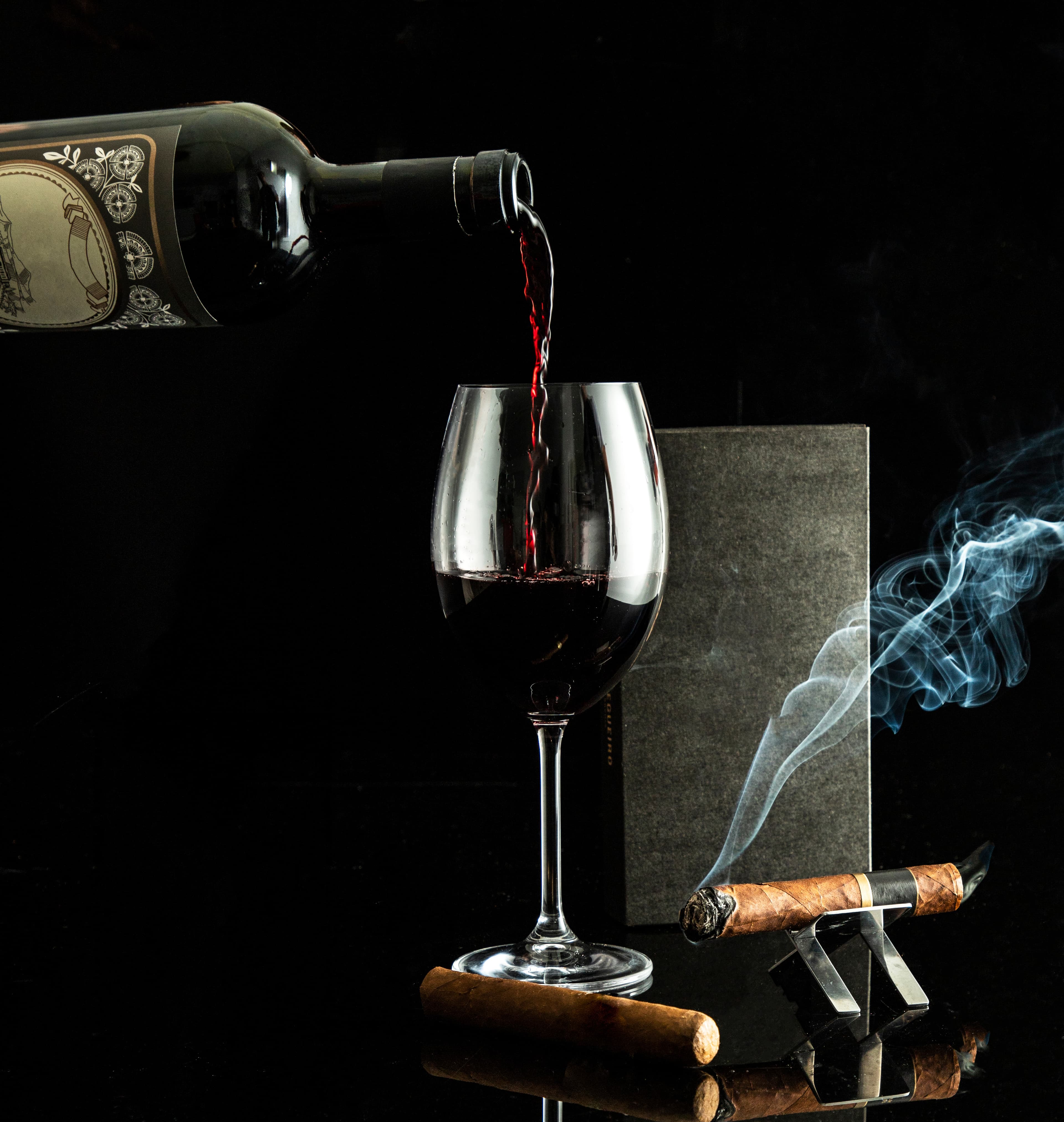
Still wine with cigars: Bordeaux, Burgundy, Rioja, and port. Champagne has its own essay.
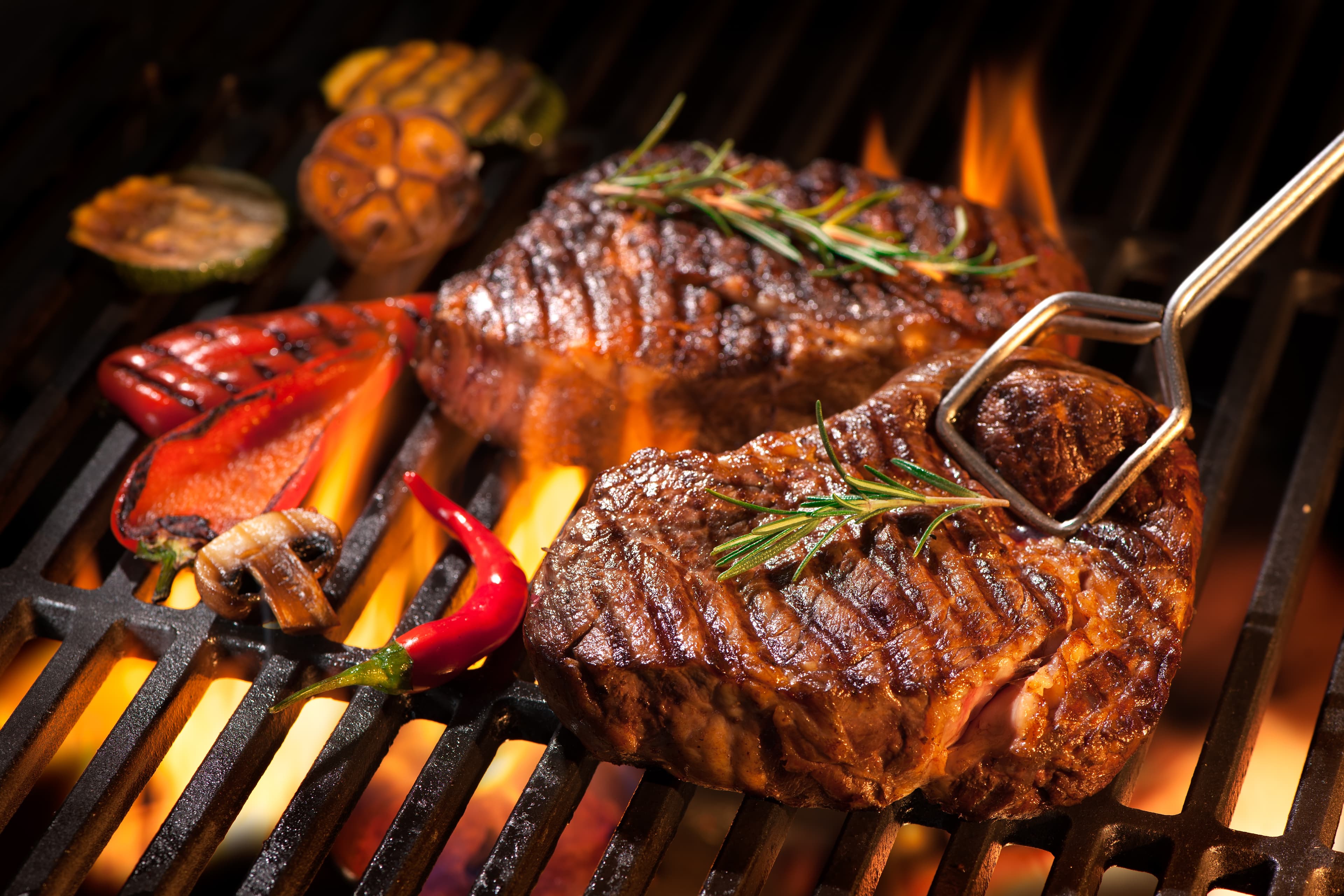
Steak, roast, short rib, and brisket: fat, char, and sauce beside construction—wine or bourbon only as service notes.
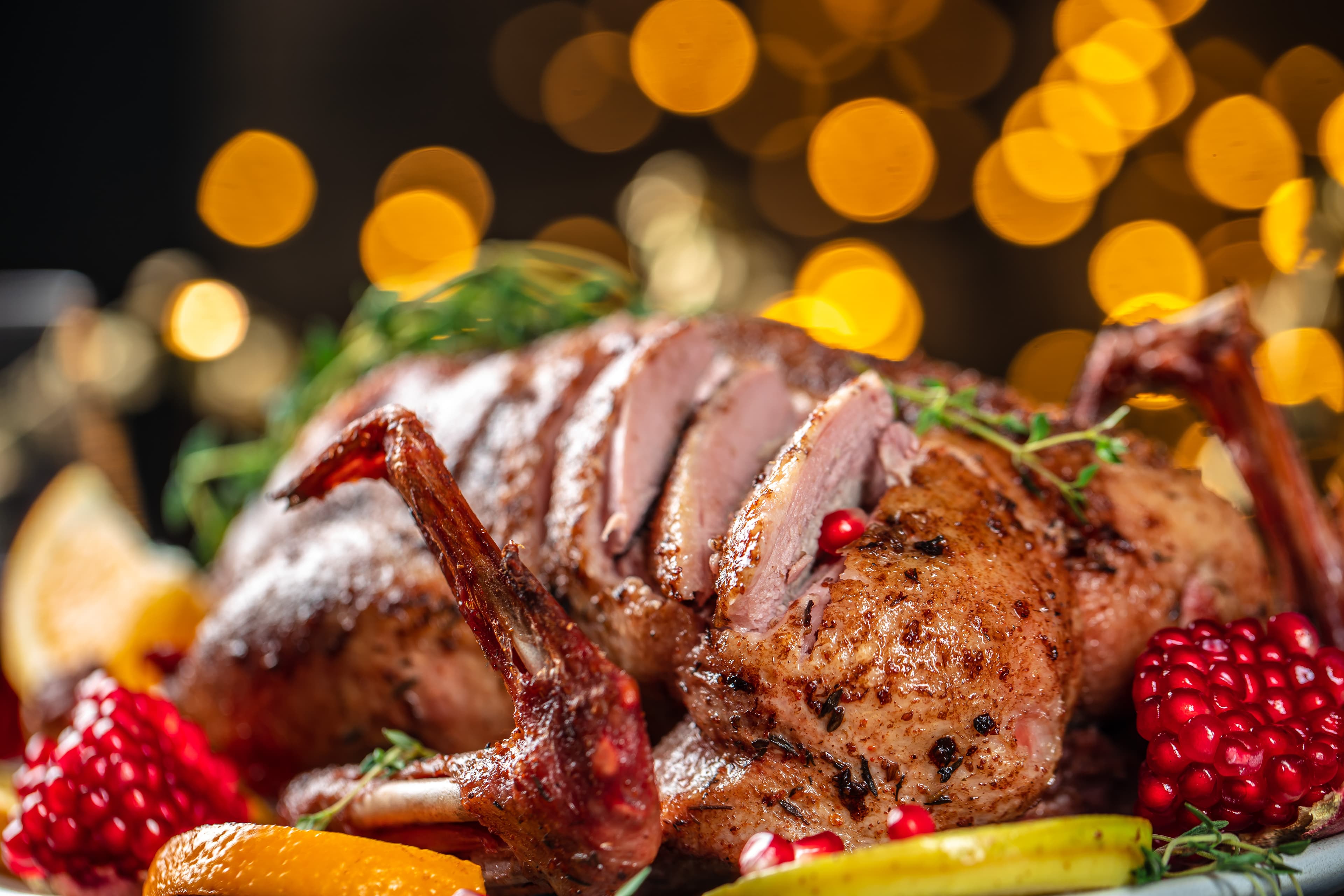
Roast chicken, turkey, and farm duck: skin and jus matter more than the species. Hunted birds have their own essay.
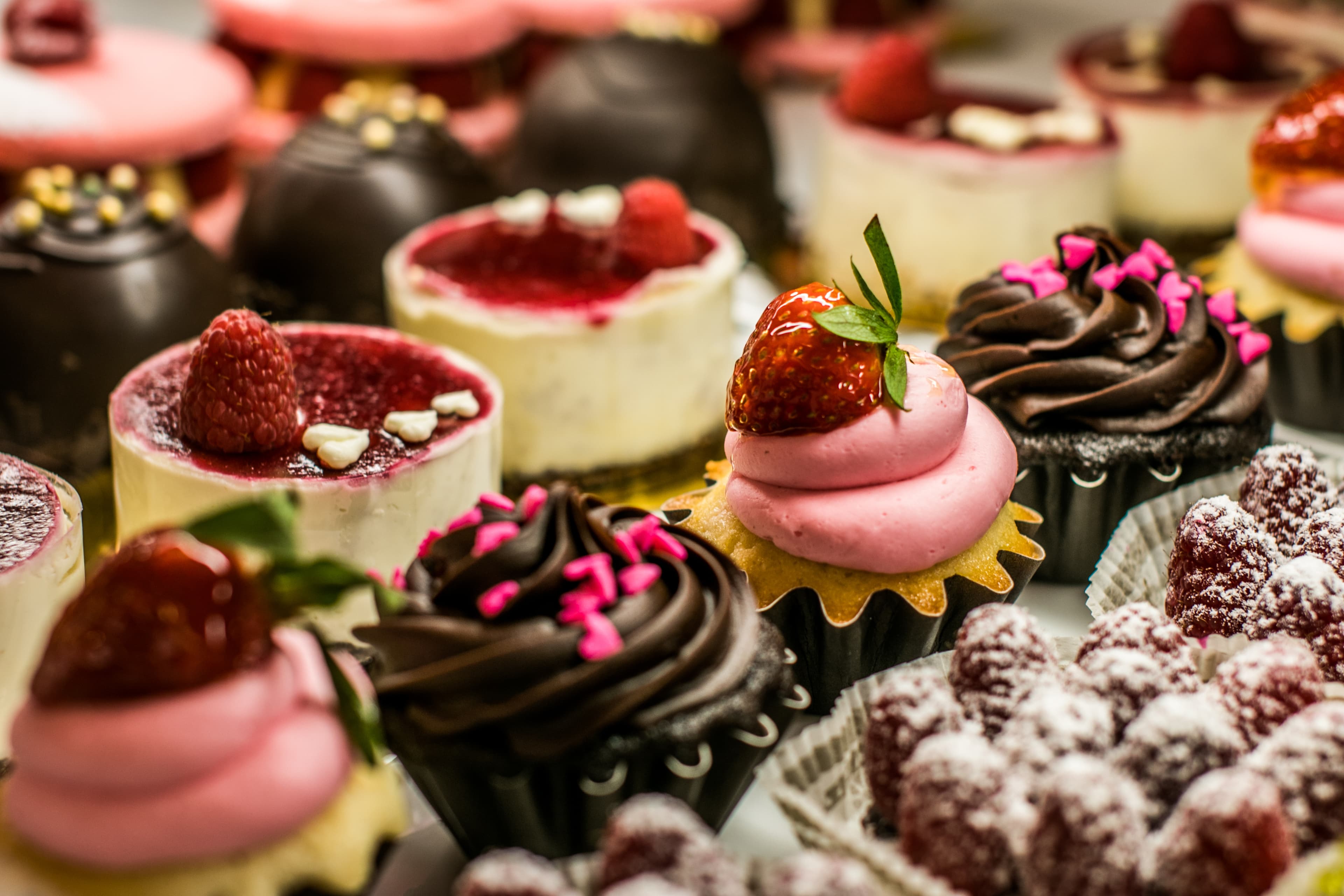
Plated dessert after dinner—custards, fruit, and cheese. Chocolate and almonds have their own essays.
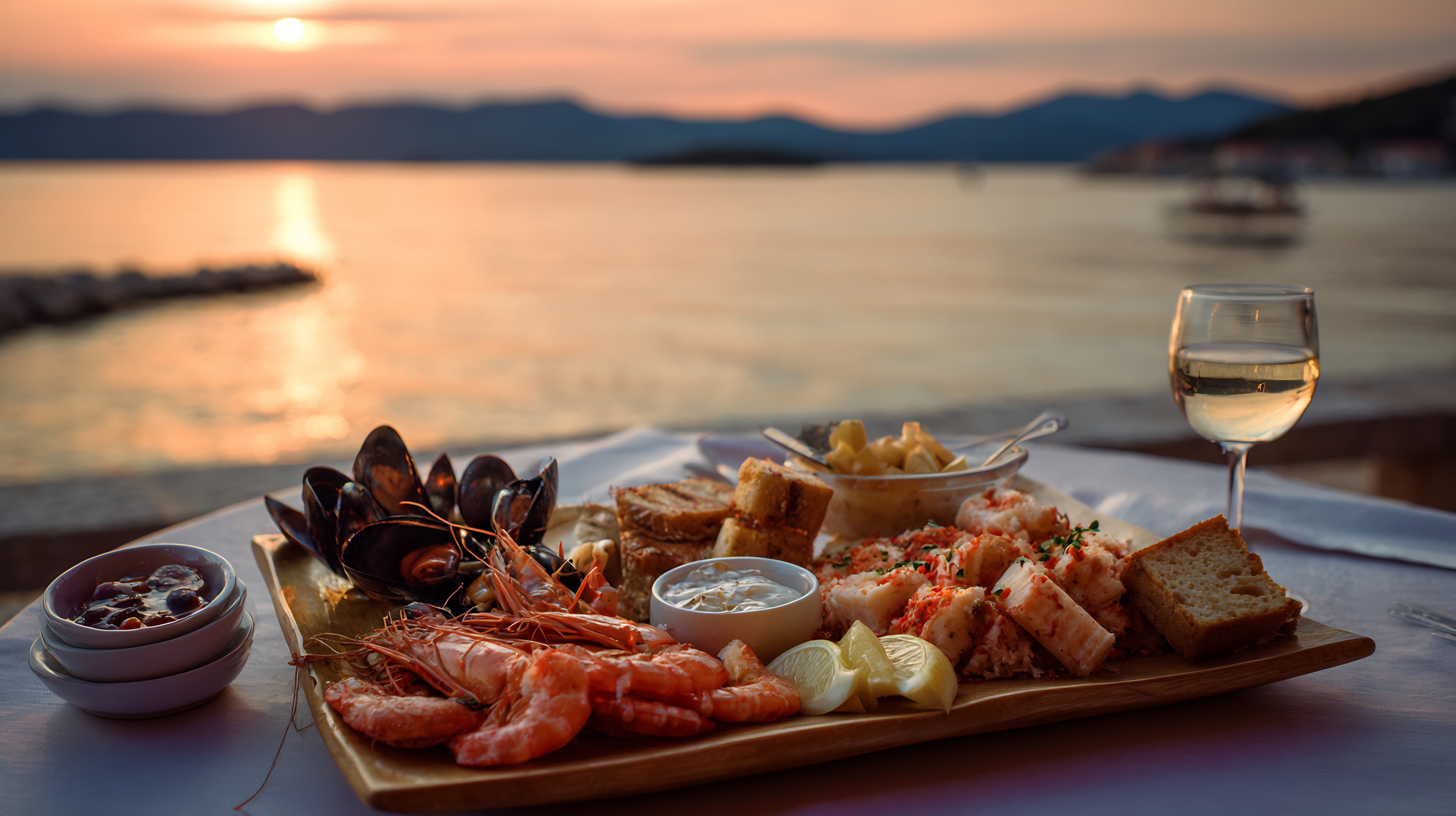
Oysters, lobster, salmon, and ceviche: iodine, butter, and a fillet that cannot take much smoke. Sushi has its own essay.
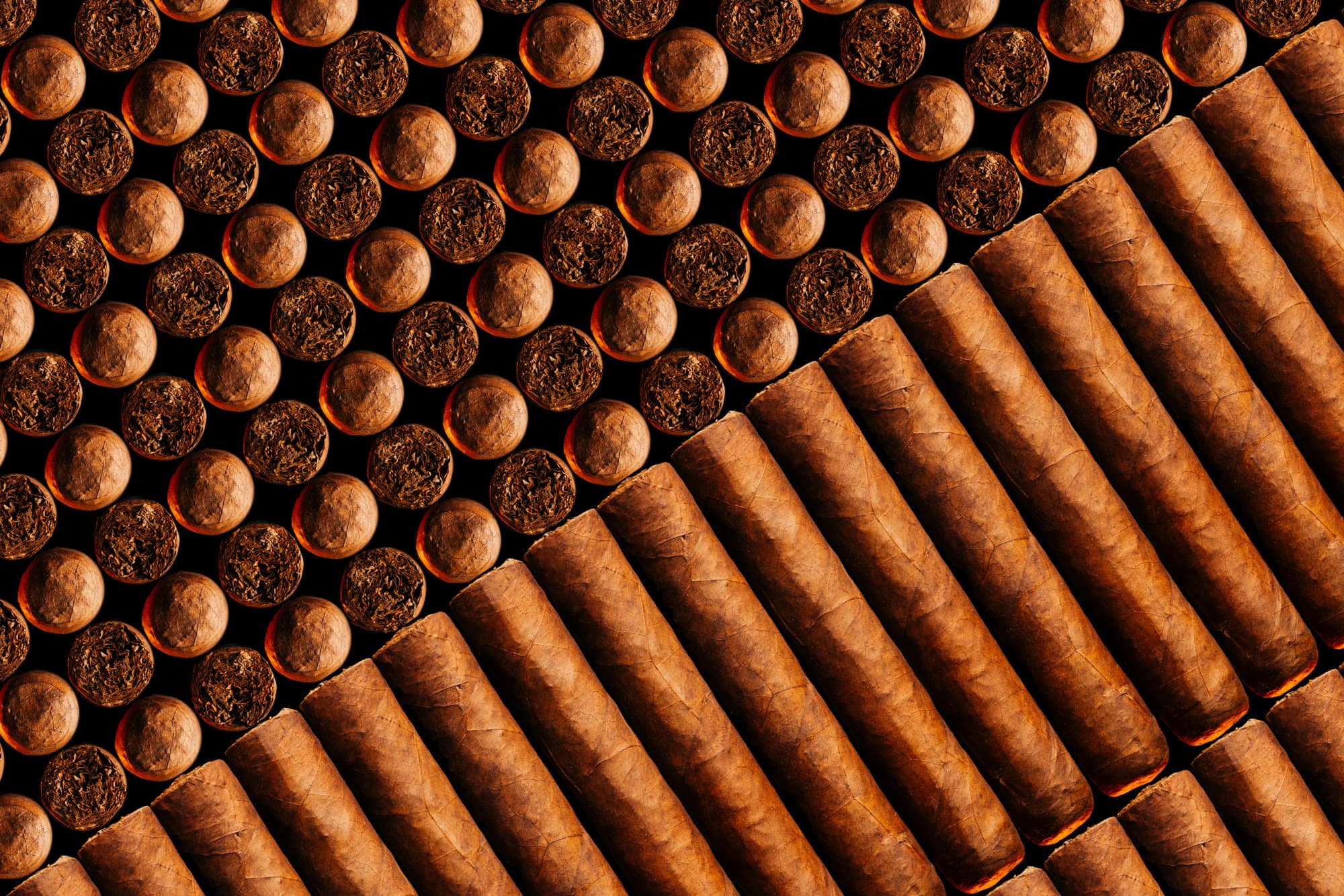
Dark ≠ automatically strong. Body is flavor weight; strength is nicotine. How primings, wrappers, and pacing shape both—plus practical tips.
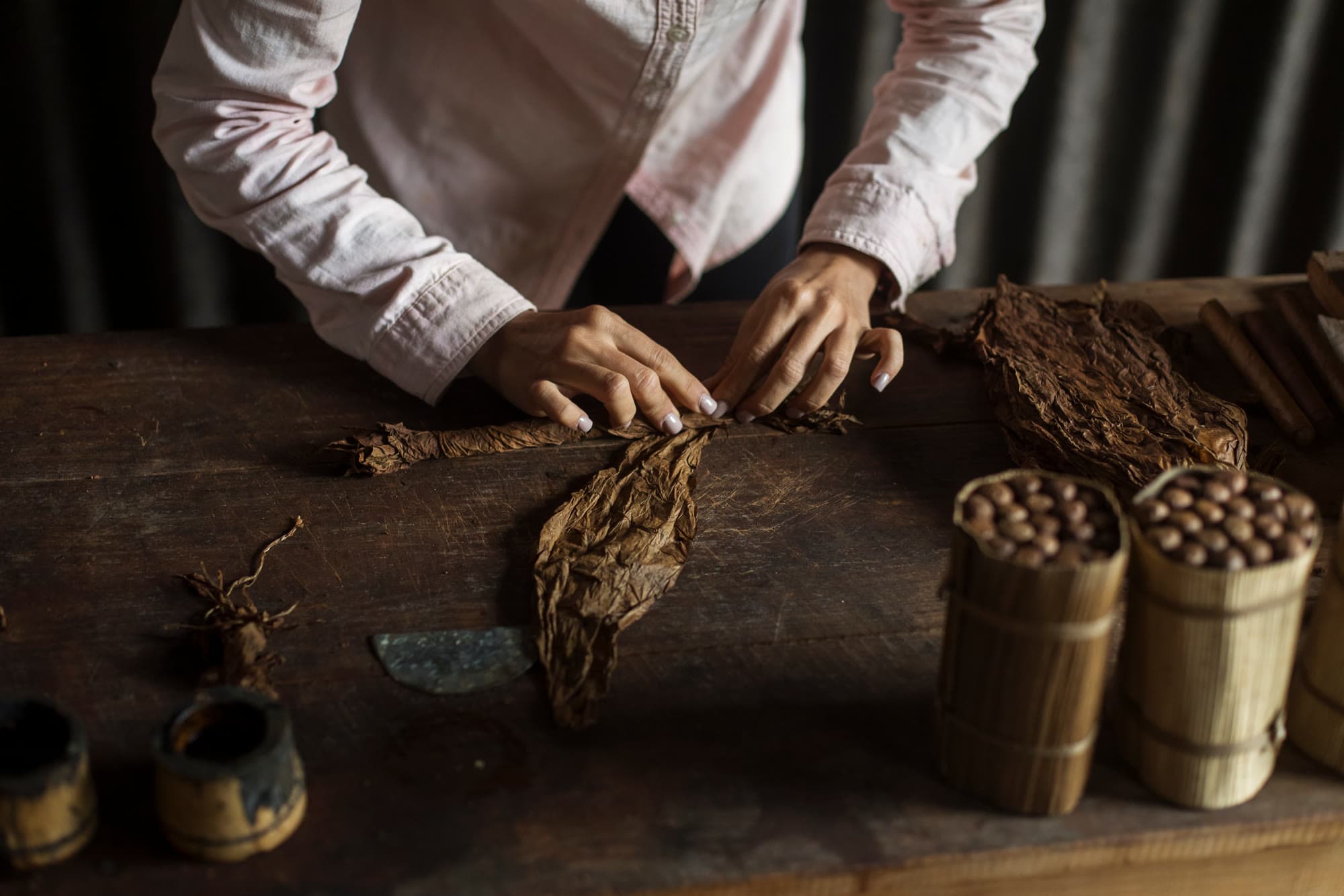
From idea to boxed cigar: setting the brief, picking leaf by role, prototyping, QC, and the post-roll rest that makes profiles sing.
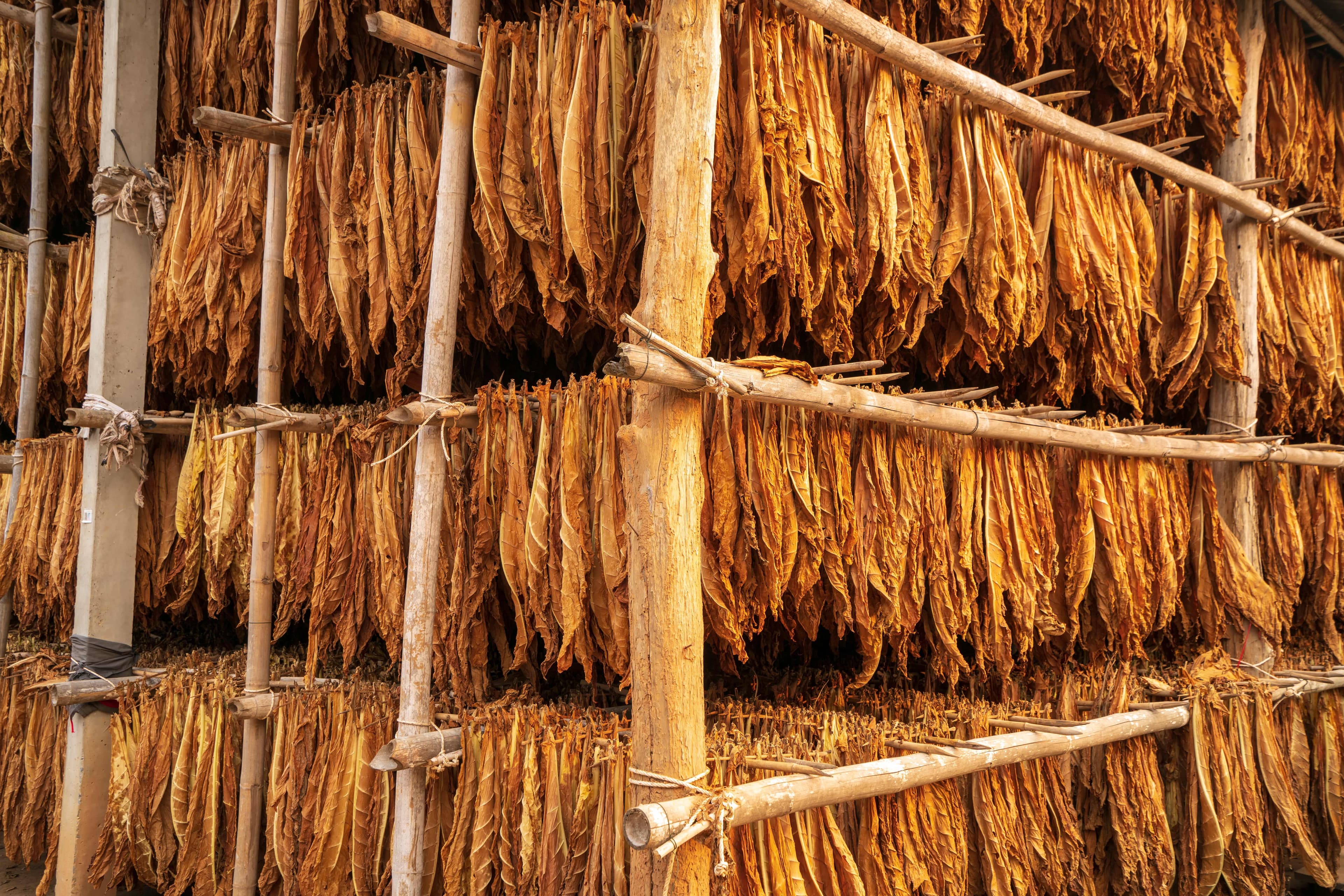
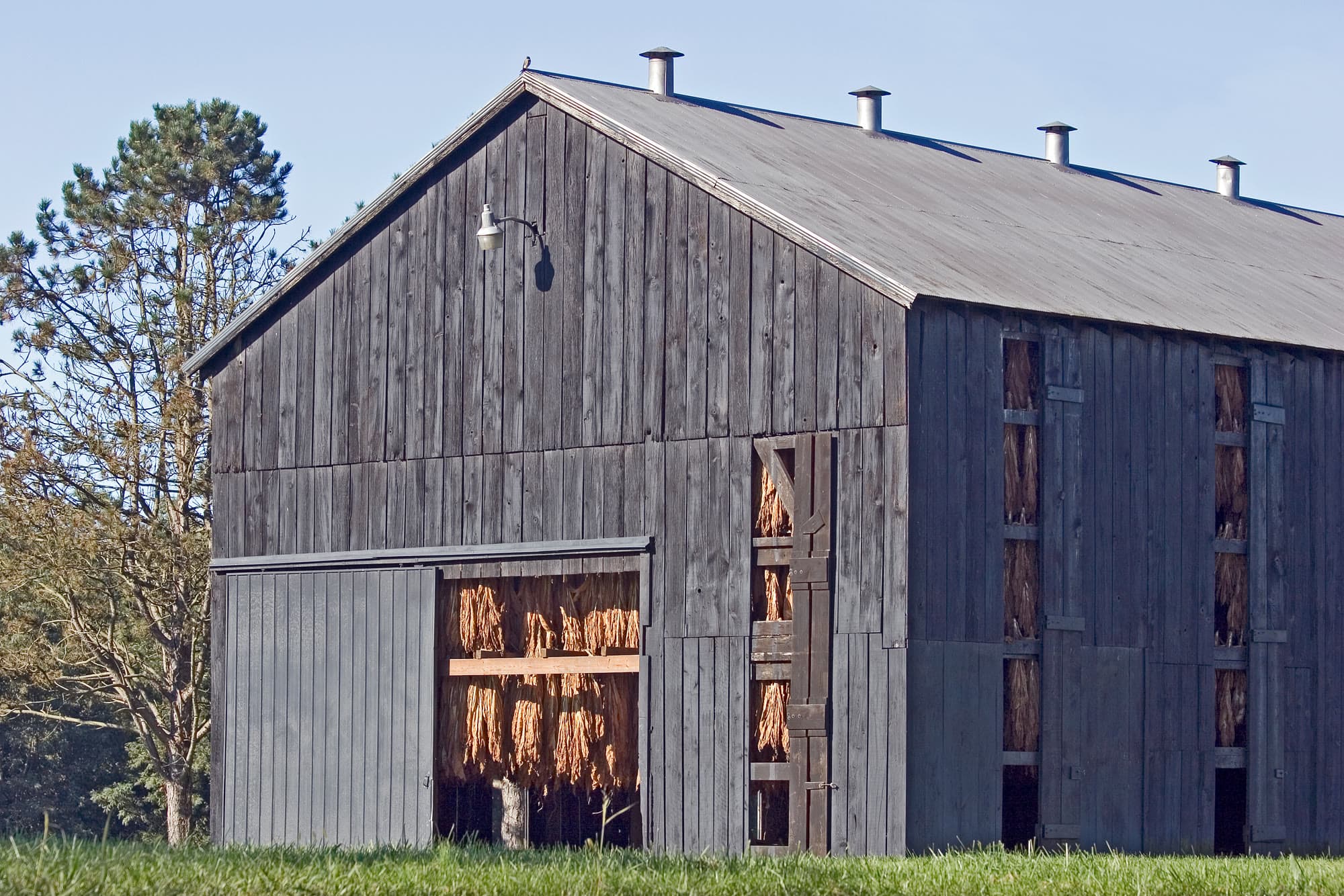
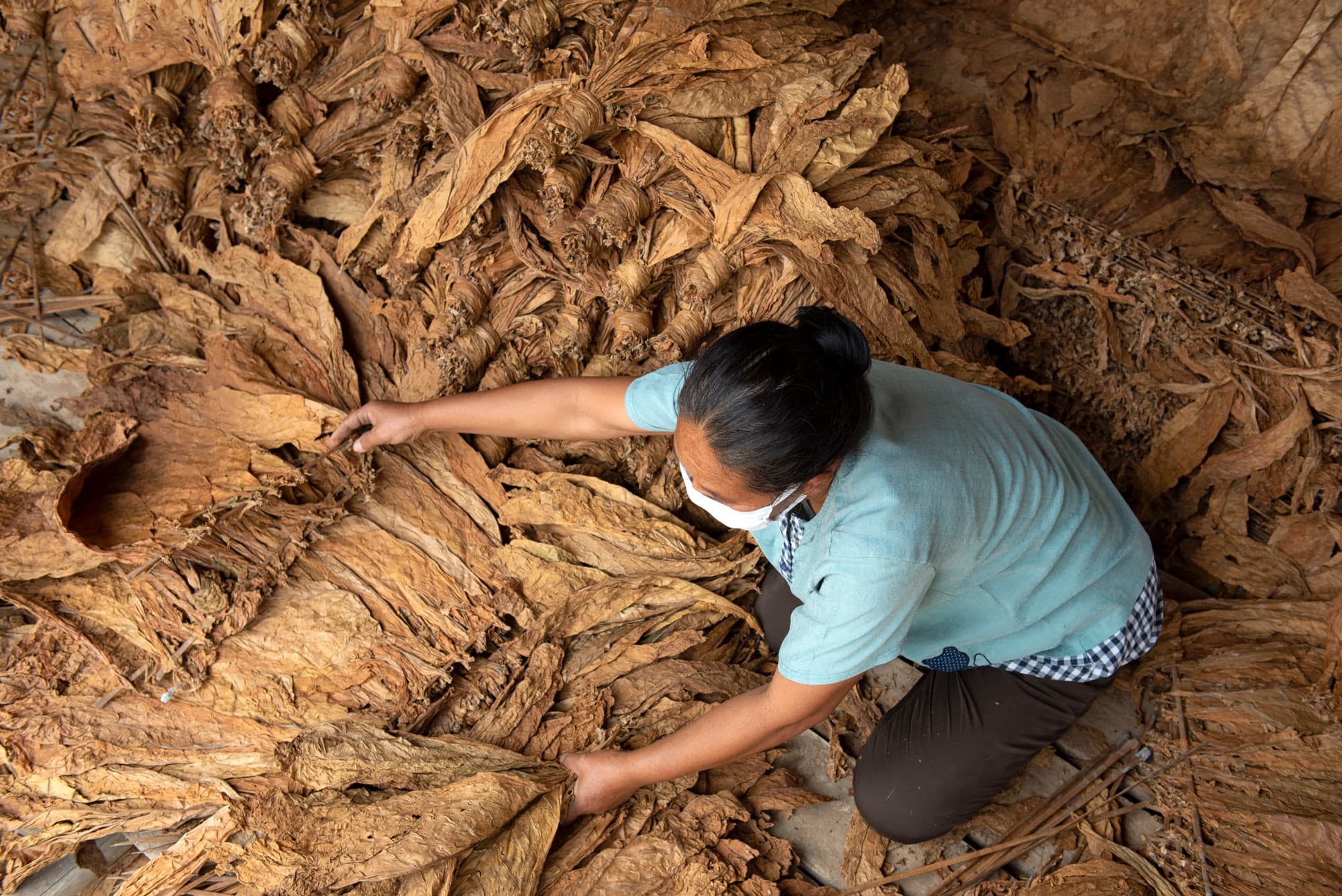
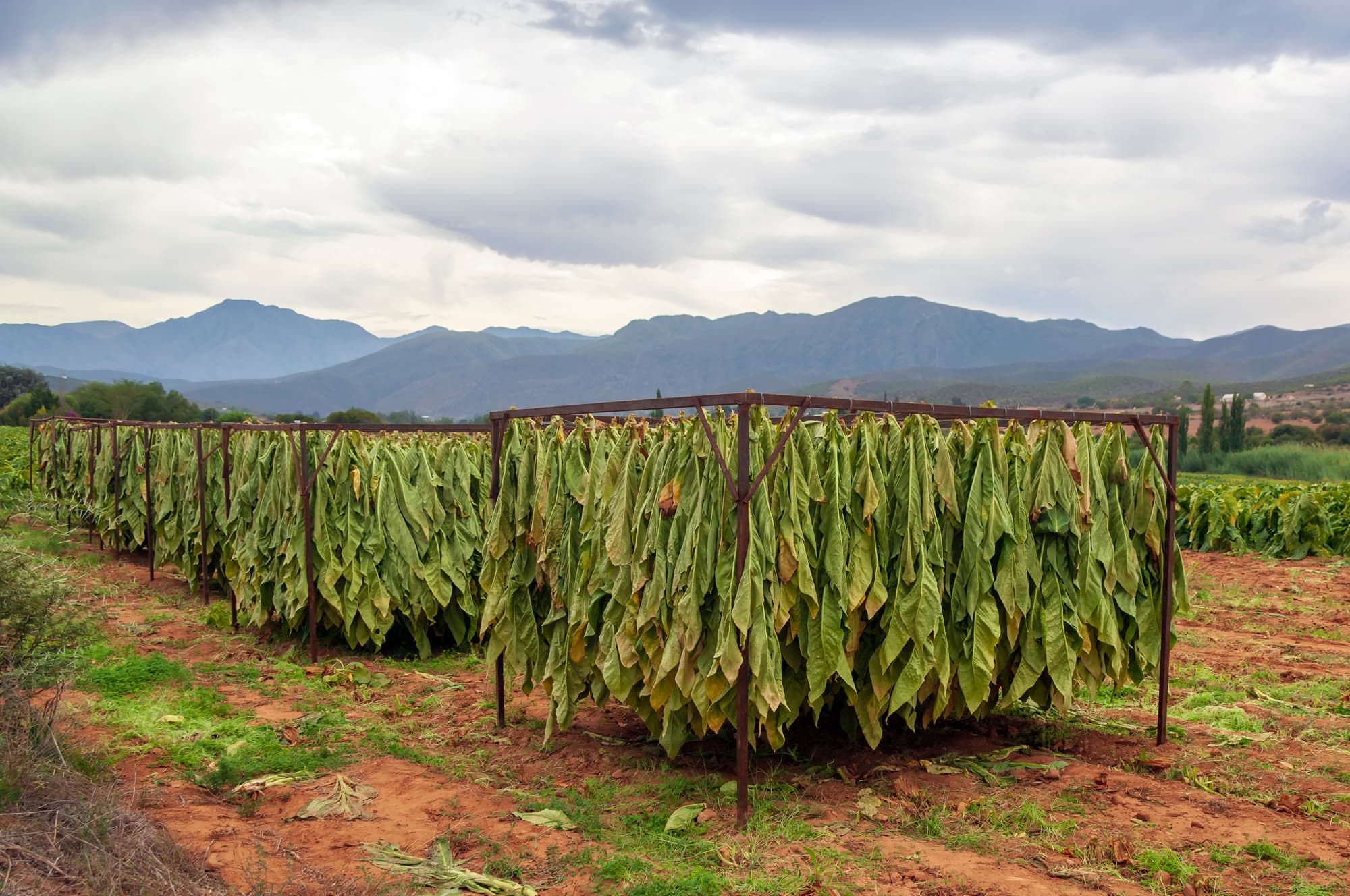
Inside the curing barn: selective primings, air-curing timelines, risk control, and the post-cure steps that set premium cigars up for greatness.
Curing 101: what happens in the barn, why air curing rules for premium cigars, common risks, and how it sets the stage for fermentation and aging.
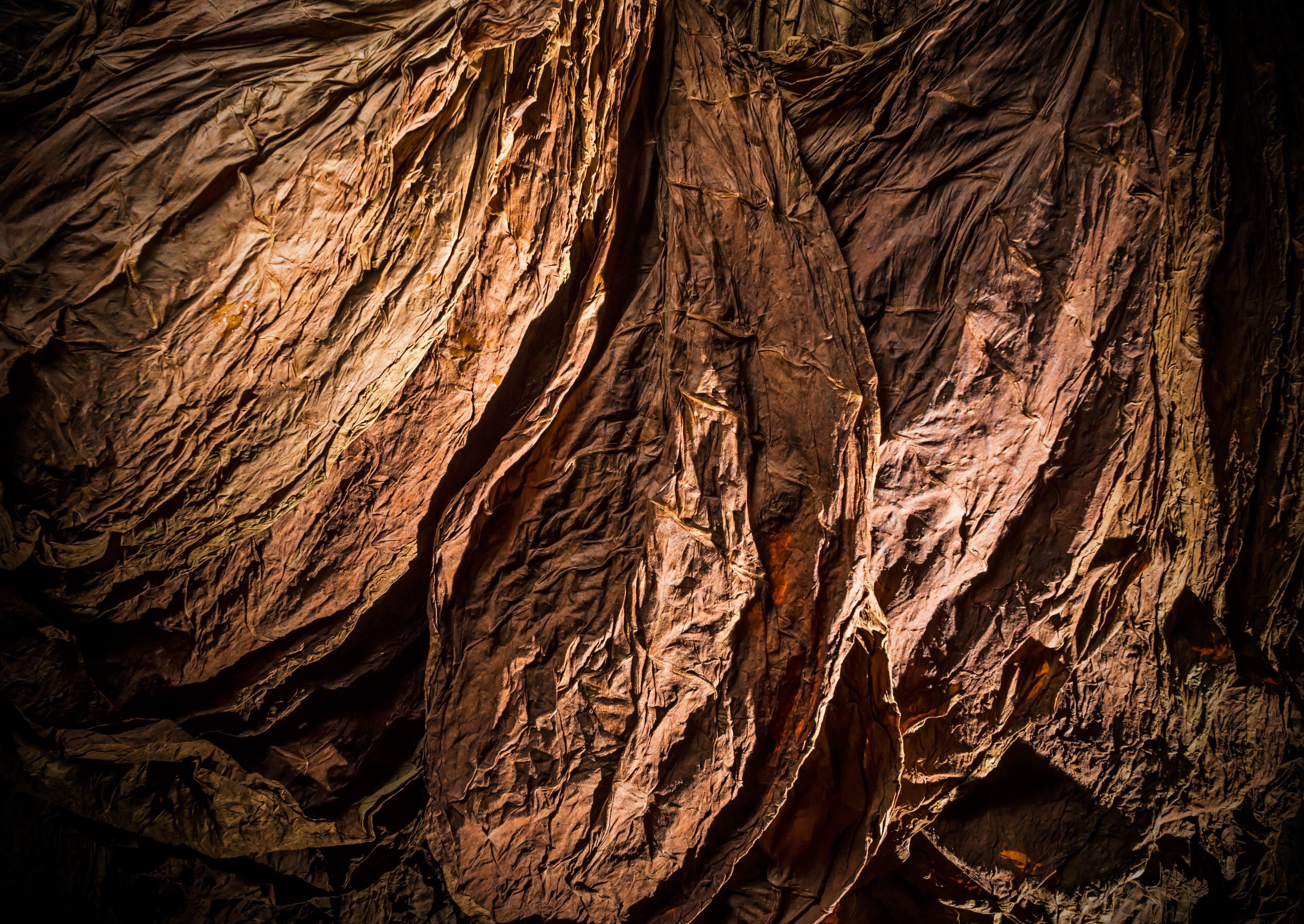
Fermentation, explained: the microbes, the bubbles, the flavors—and why it’s different from curing. From chocolate to kimchi to kombucha.
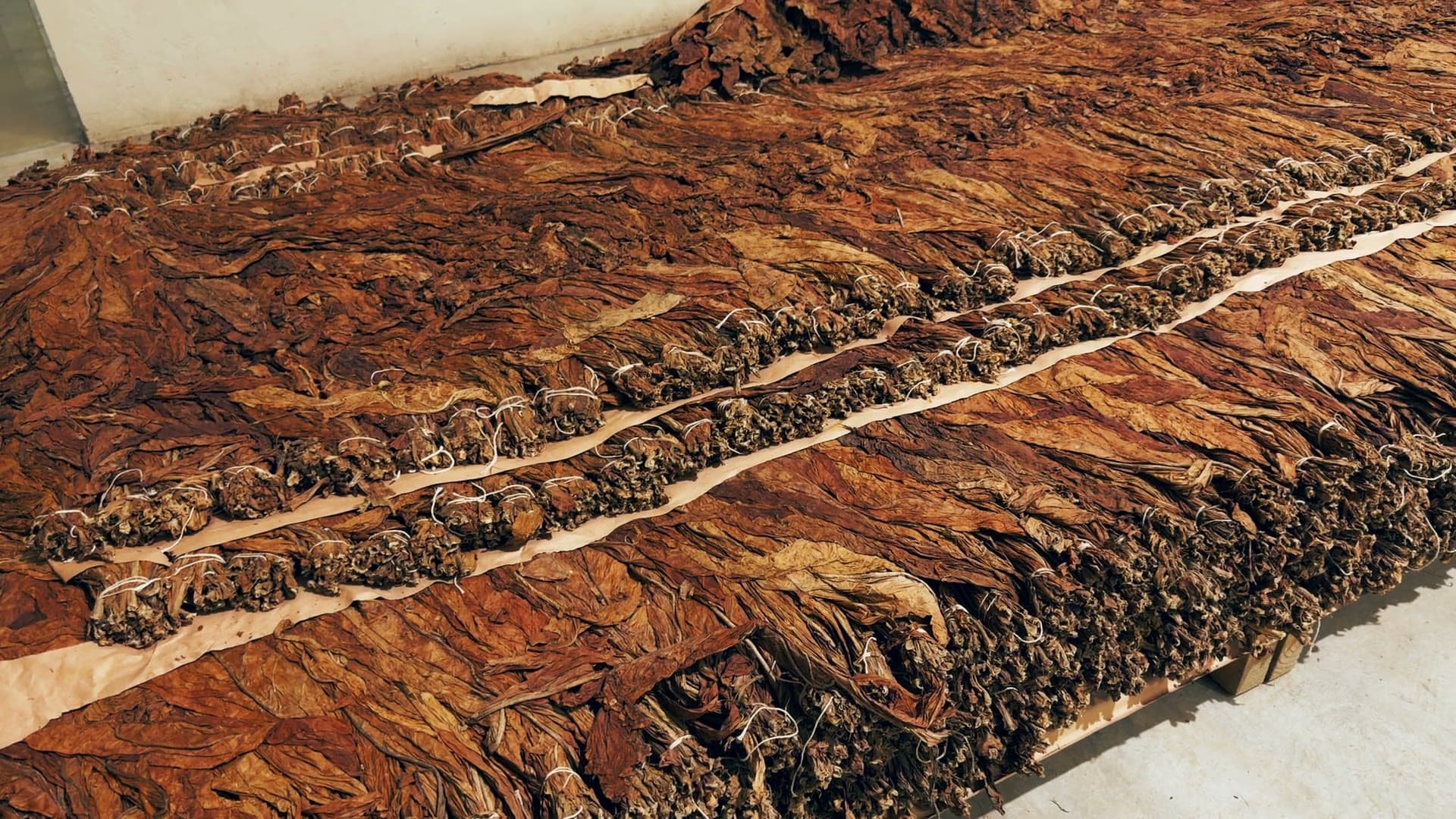
Fermentation turns cured leaf into cigar-ready tobacco—less ammonia, richer aroma, cleaner burn. Ten quick facts to read like a pro.
Primings describe leaf position; maduro describes wrapper processing. How they work together to create strength, aroma, and a smooth finish.
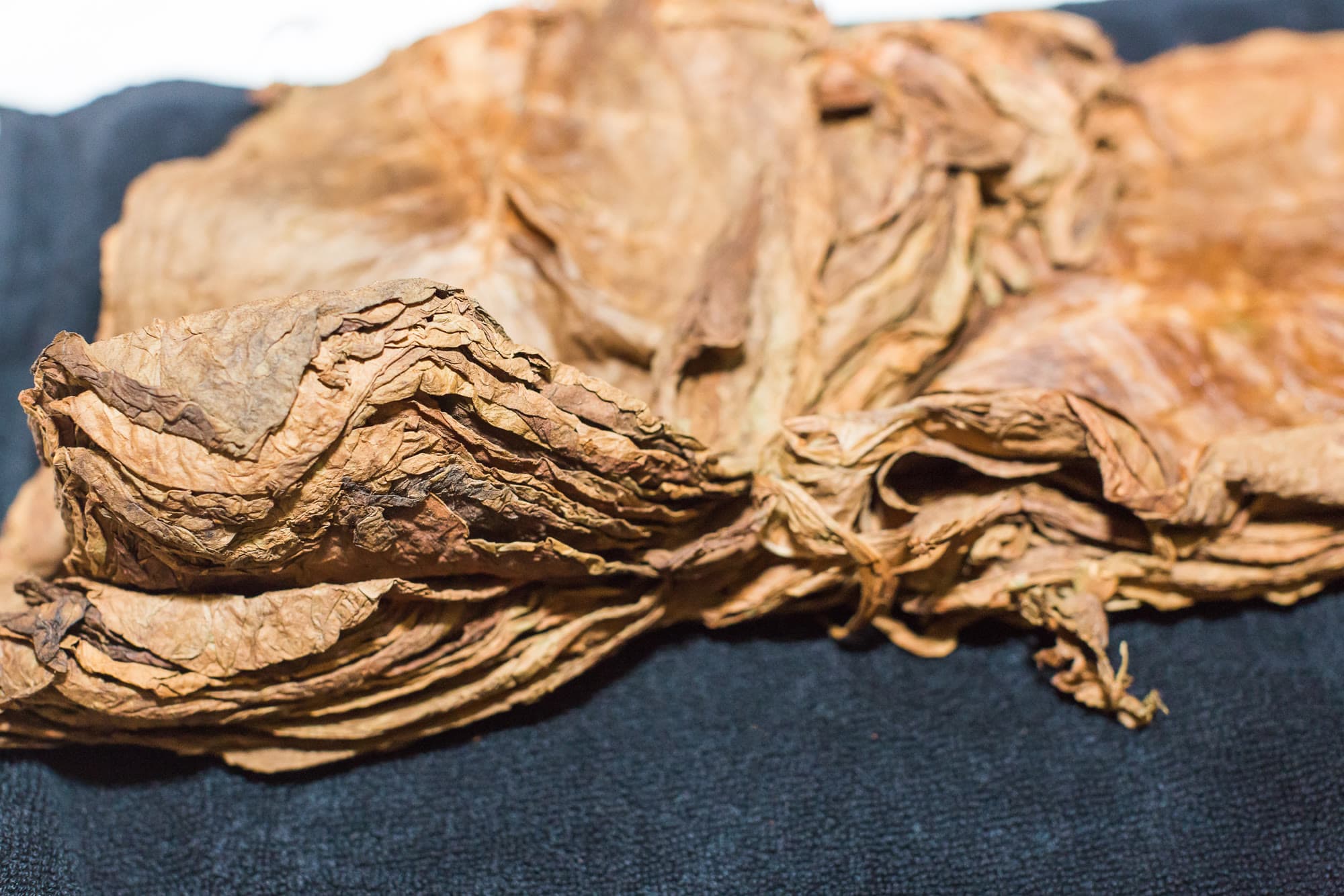
Dark ≠ automatically strong. How maduro wrappers are made, how they taste, storage/lighting tips, and what to look for when buying.
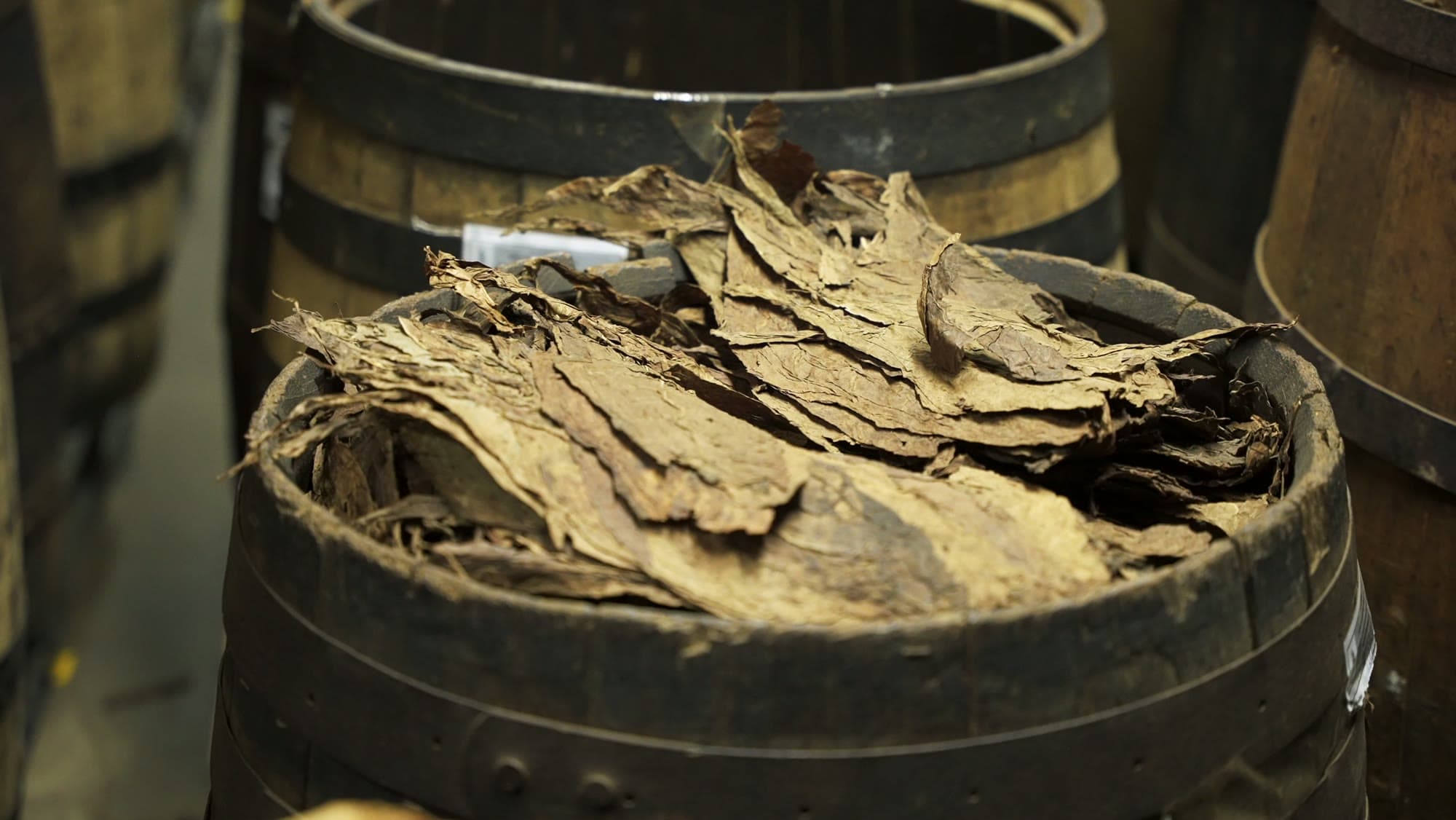
What “accelerated aging” really does: intensified fermentation, conditioning, pressing, barrels, and additives—how close it gets and where it falls short.
Nicotine stays; delivery changes. Why aged cigars feel gentler, how primings affect perception, and practical tips to manage strength.
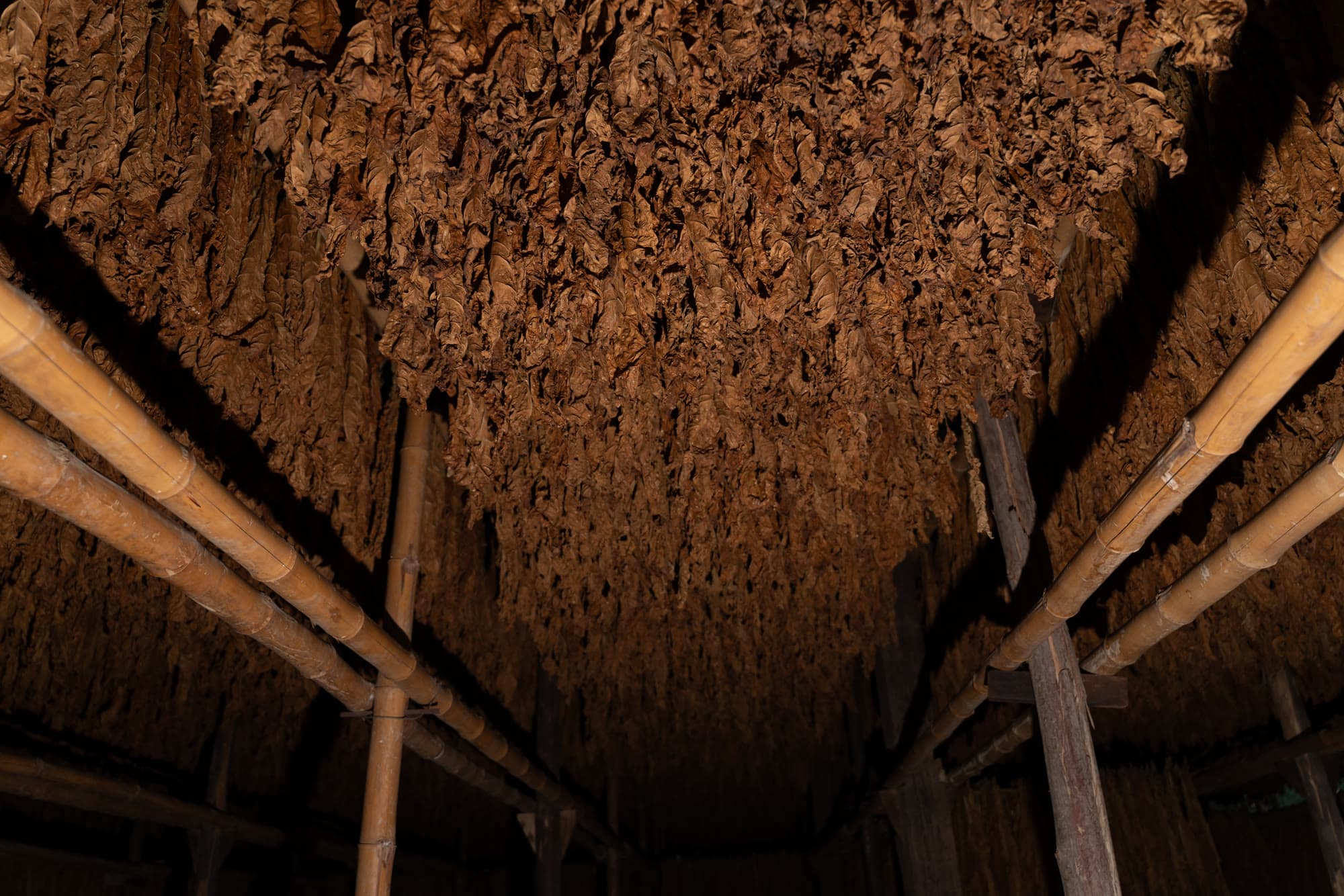
Why aged cigars feel smoother but can still hit hard. Strength vs. body, primings, and practical tips for pacing and storage.
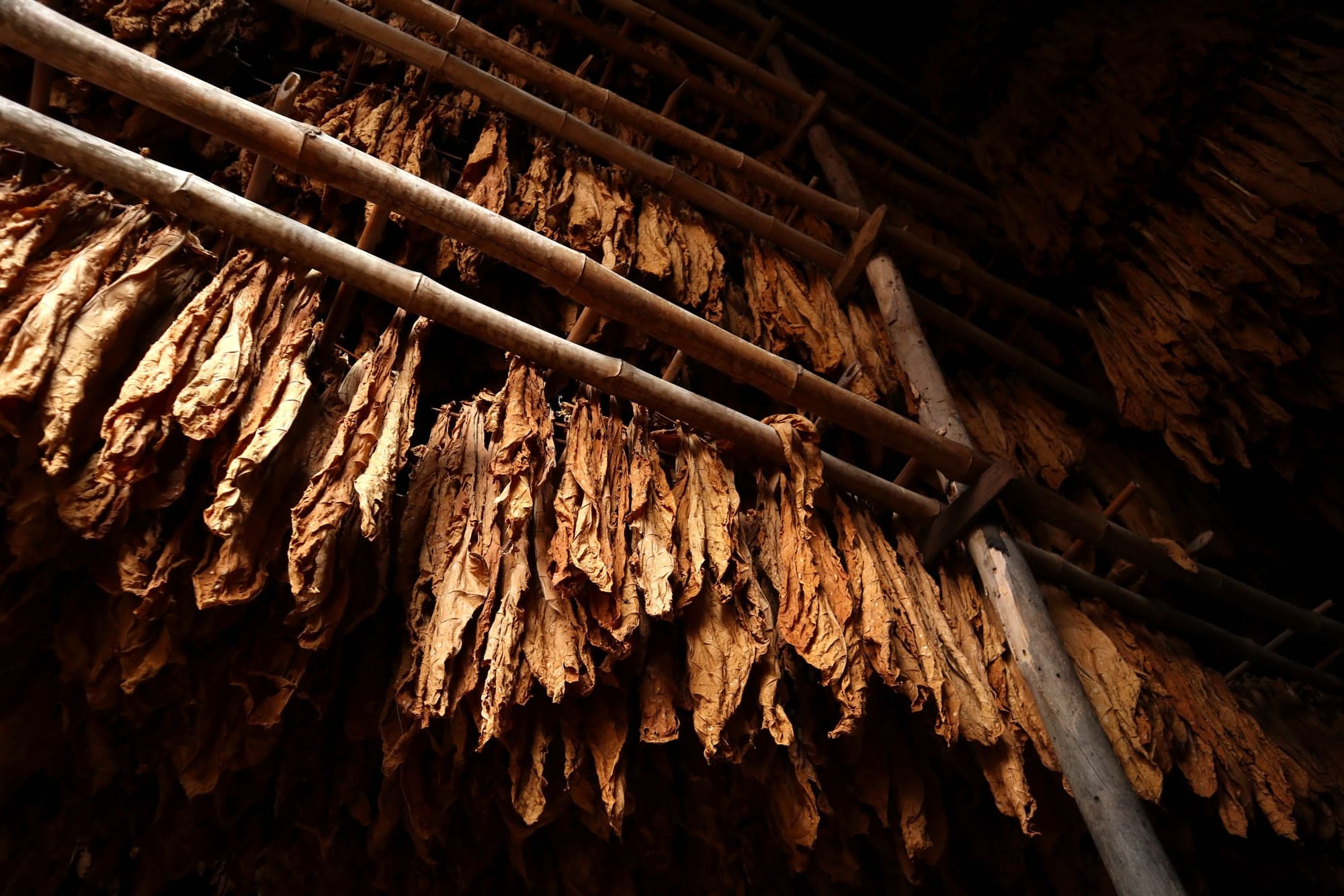
Age is a tool—not a trophy. What 5, 10, and 15+ years actually do to tobacco, why not all leaf ages the same, and how to buy and store wisely.
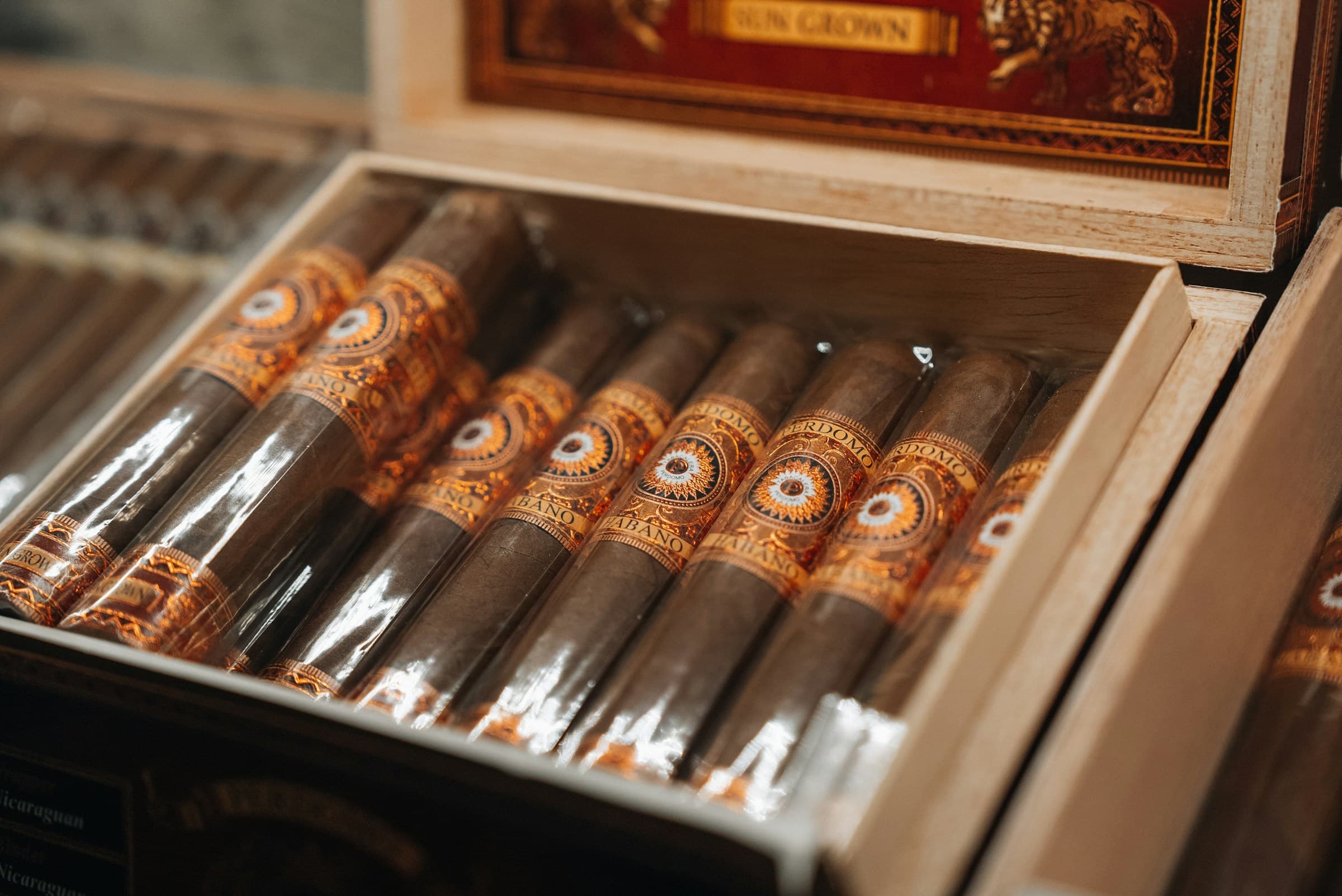
The practical blueprint for ideal cigar aging—stable RH/°F, separate zones, smart cellophane use, quarantine, rotation, and easy weekly/monthly maintenance.
What fermentation vs. aging really do in cigars—how pilones reduce harshness, how aging marries flavors, and the quick cues of well-finished tobacco.
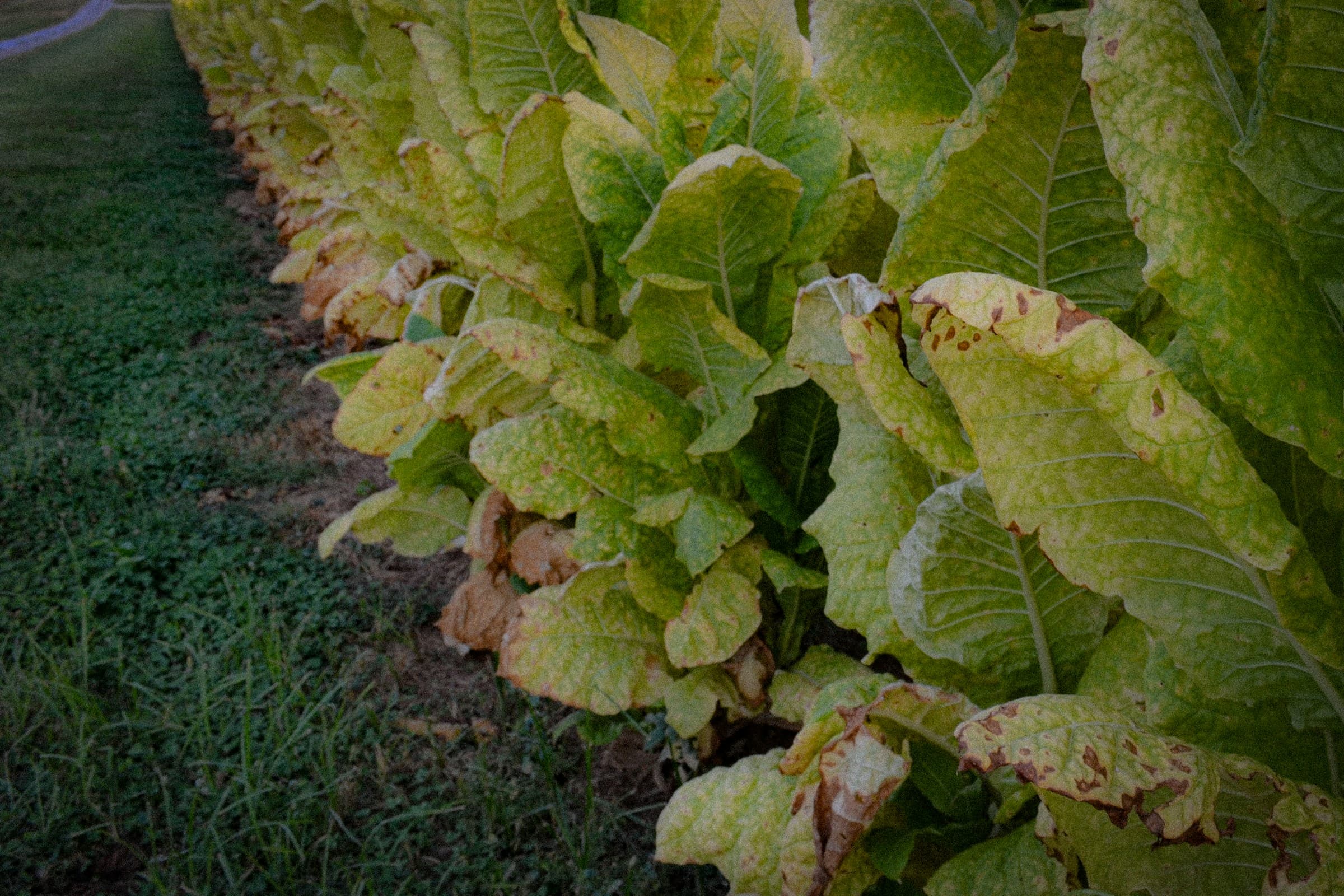
A clear tour of cigar-making—from seed genetics and field primings to curing, fermentation, blending, rolling, and post-roll aging. What each stage contributes to flavor and draw.
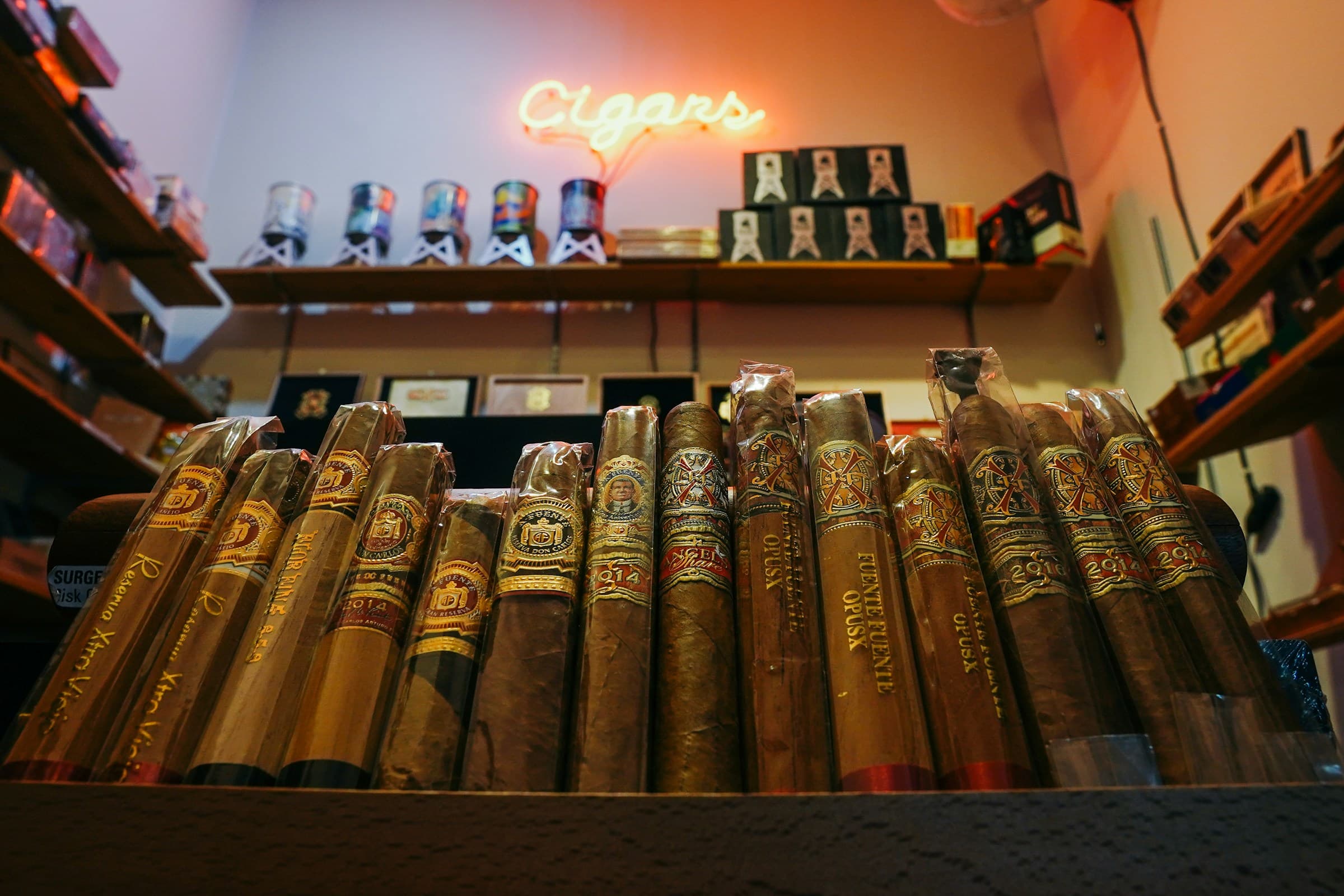
Cellophane slows exchange and protects; naked cigars marry faster. Choose the right approach for mixed vs. single-profile humidors. Targets: ~65–69% RH, 65–70°F.
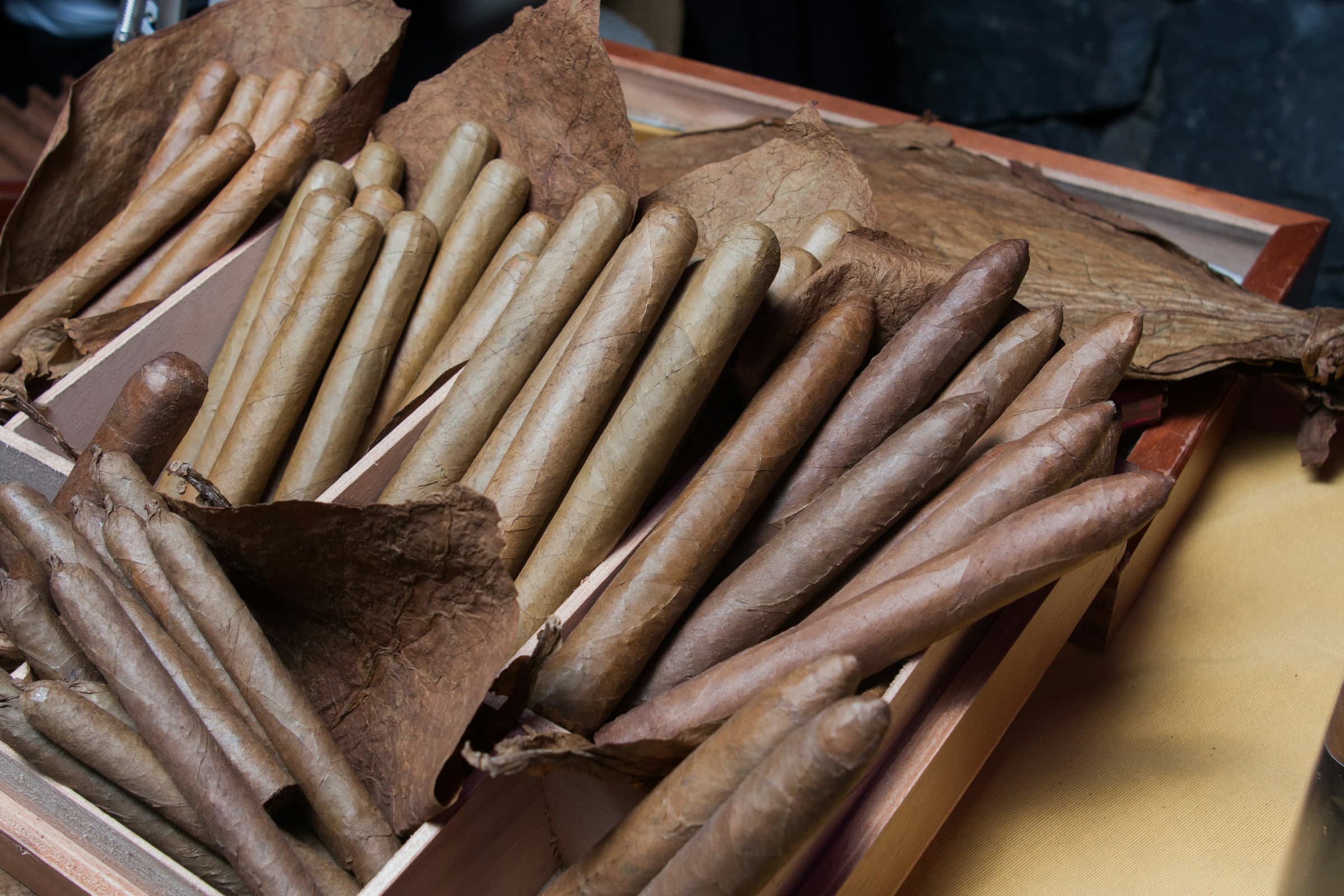
A practical guide to ultra-fine cigars—leaf pedigree, blend craft, draw/burn behavior, flavor progression, and storage.
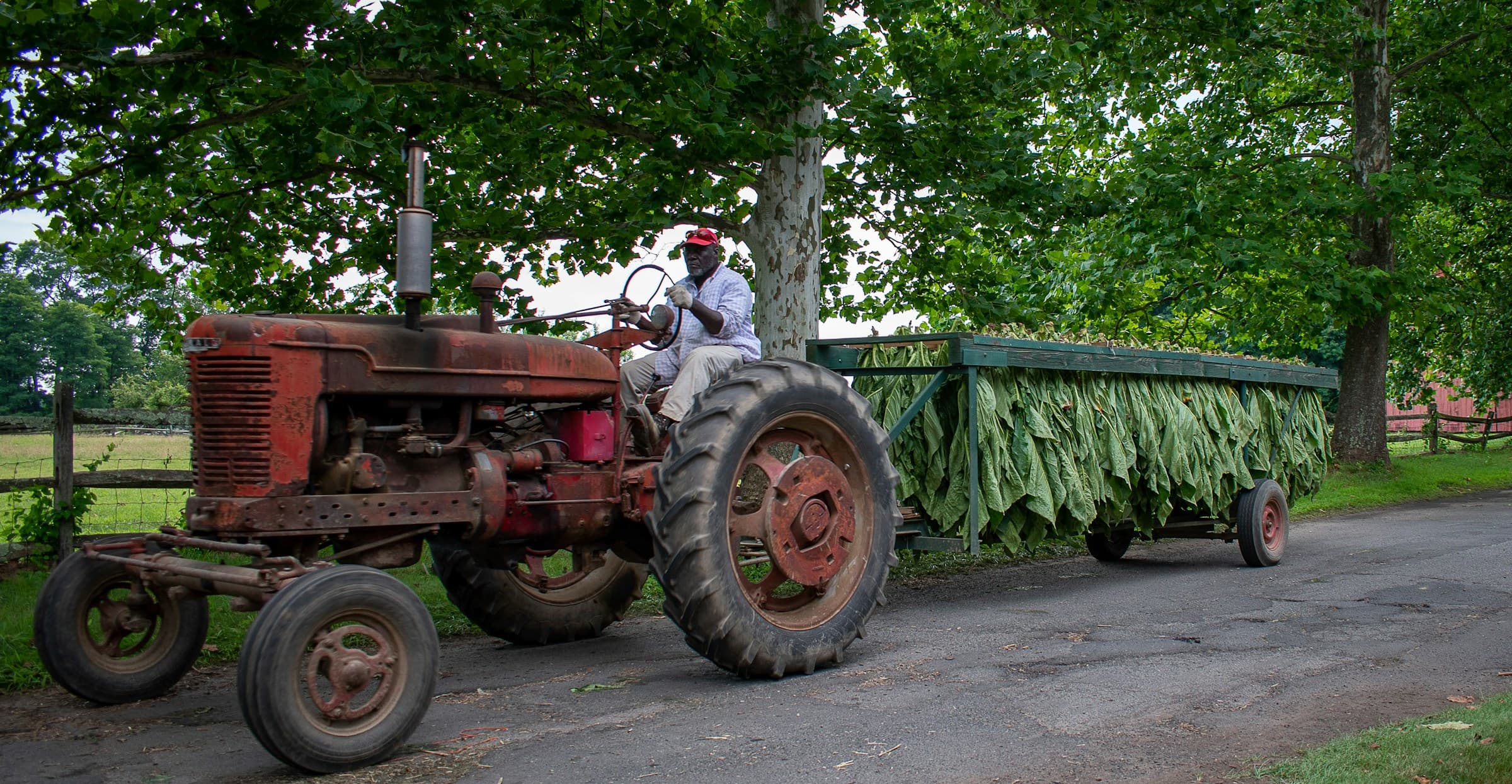
Seed is genetics; origin is place. Understand Cuban seed, Connecticut Shade vs. Broadleaf, and how terroir changes the smoke.
Seed = varietal. Origin = terroir. A quick, wine-inspired way to predict cigar flavor and decode bands.
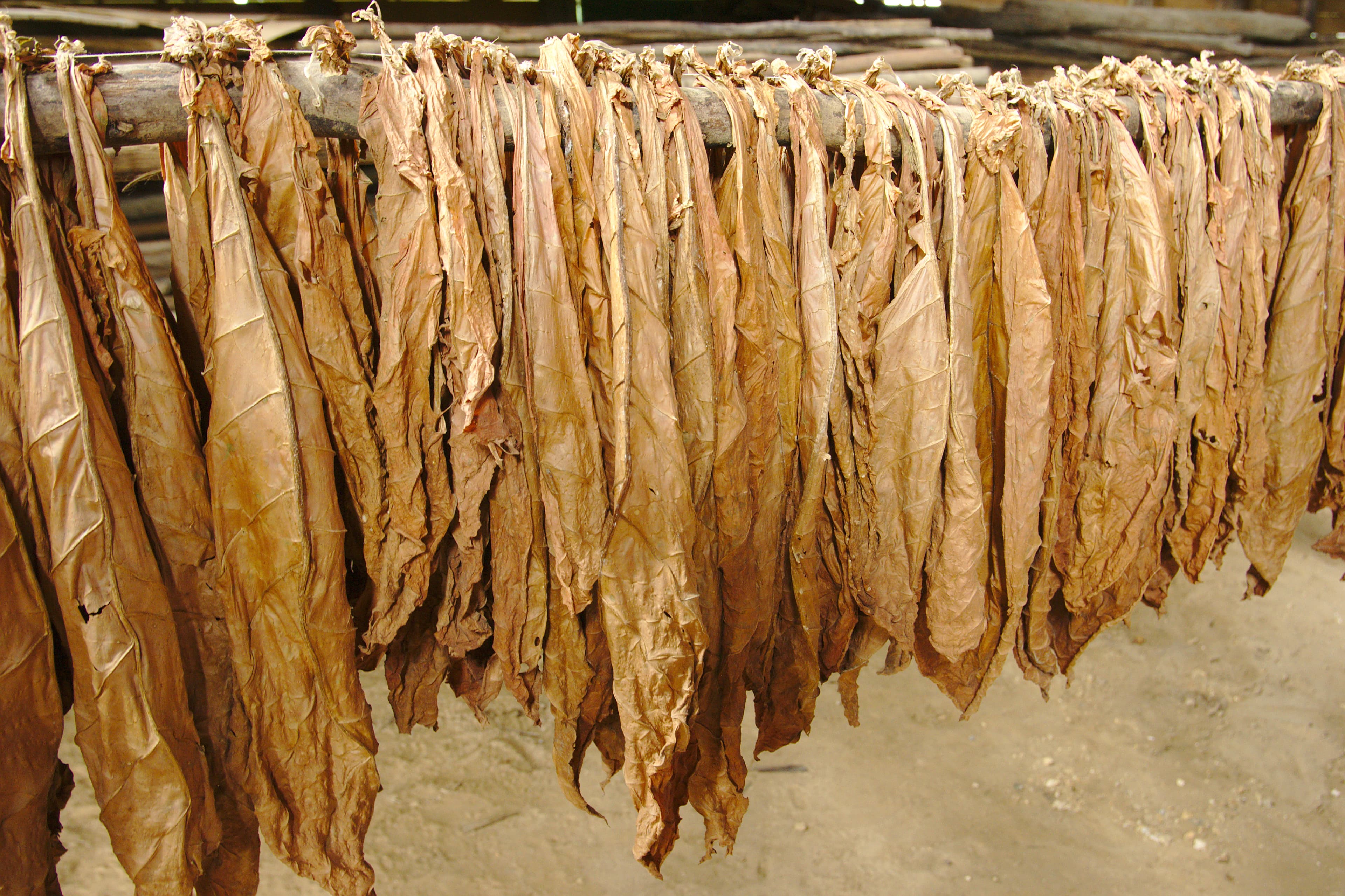
Upstream curing, fermentation, and retailer handling influence moisture—and your mold risk. How to spot “wet” boxes and acclimate safely.
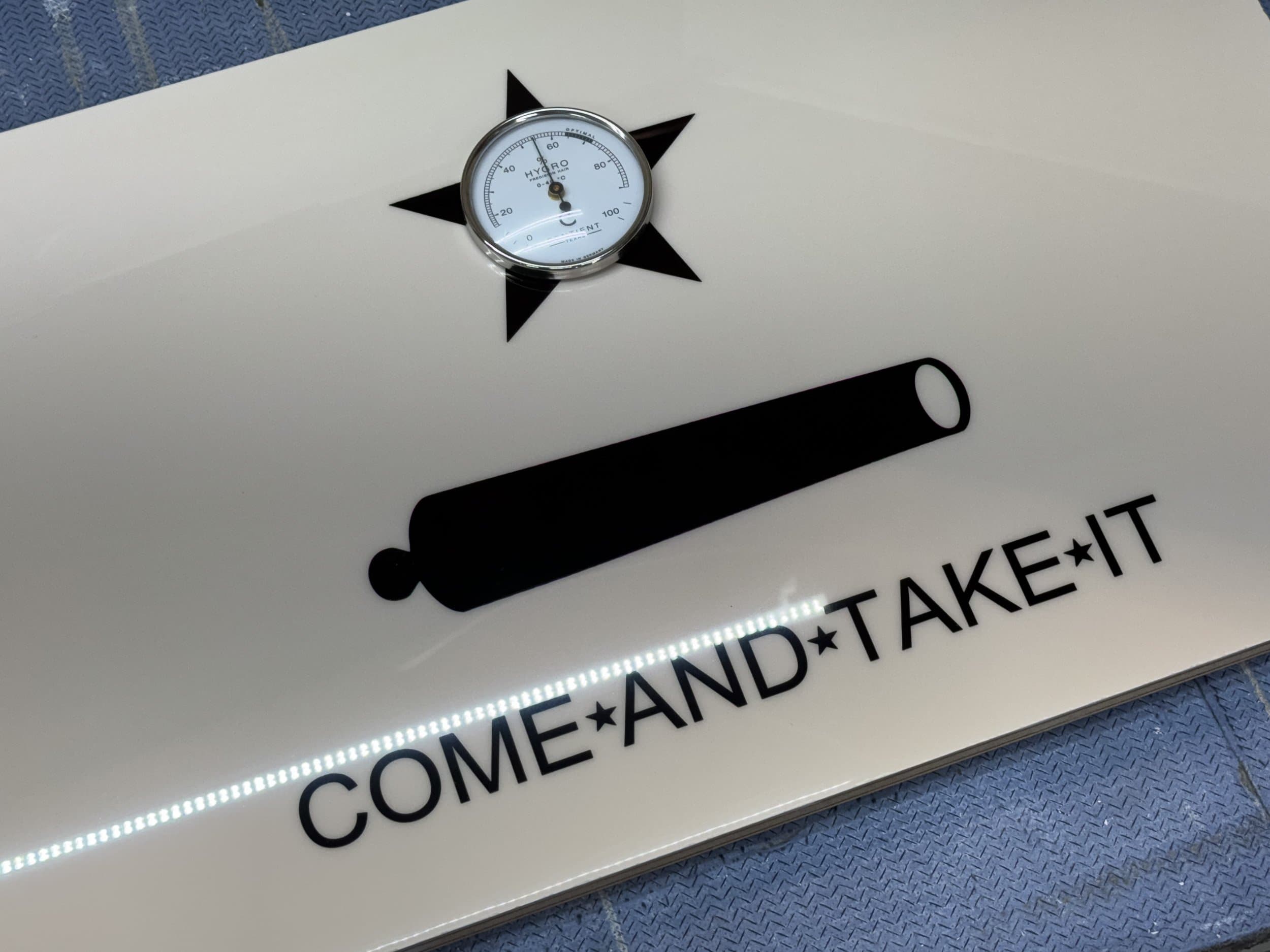
Why mold appears at “perfect” readings—and how to audit sensors, airflow, media, and placement to fix it.
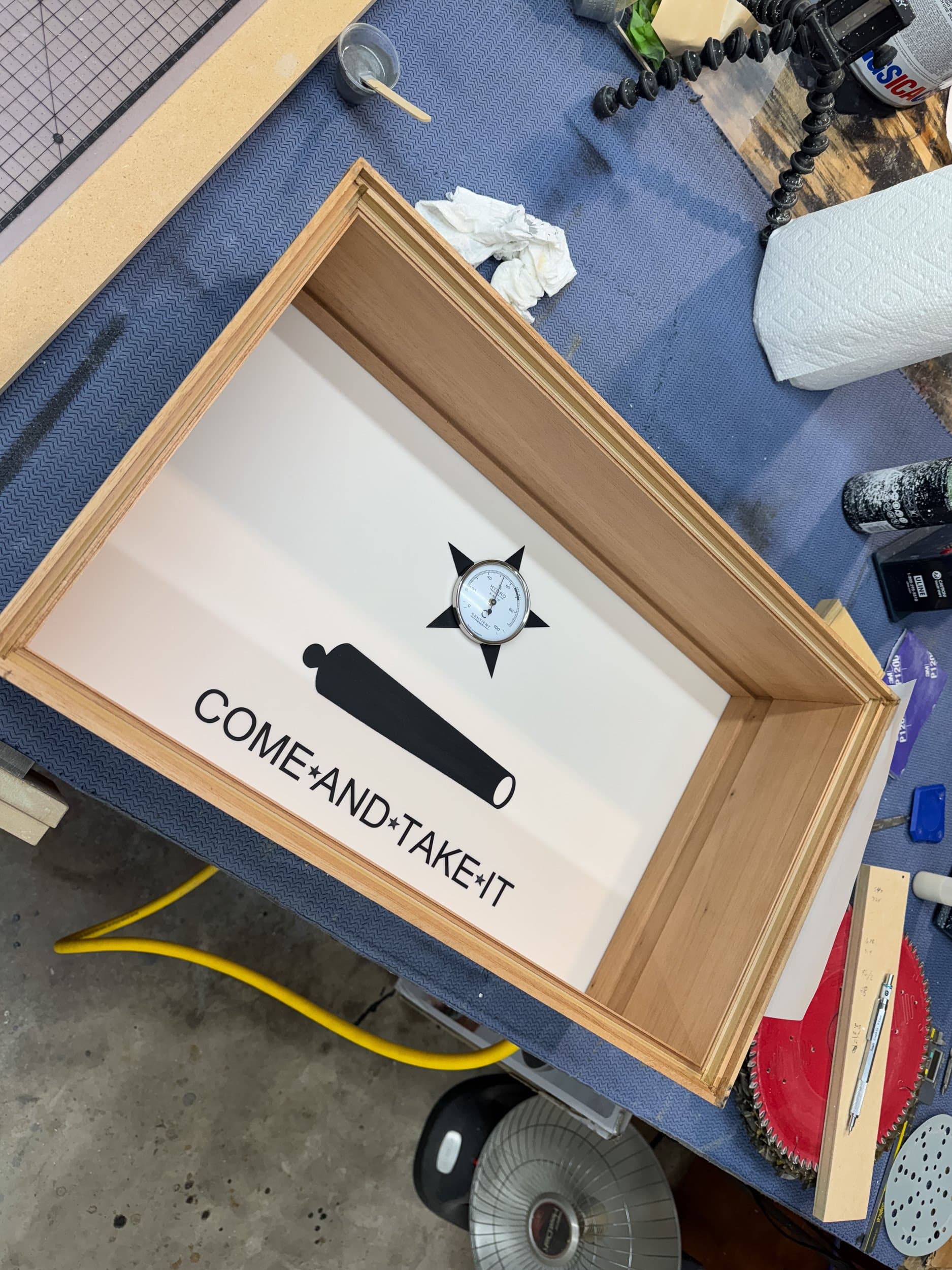
Tap vs. distilled: what’s safest for humidors? See how water choice, media, and maintenance impact mold—and the setup that keeps aging stable.
Cigar mold 101: causes, quick ID vs. plume, and a safe cleaning protocol to protect your collection. Targets: ~65–69% RH, ~65–70°F.
Mold ruins cigars. Plume enhances them. Learn the difference, how to spot each, and why proper storage determines whether cigars thrive or spoil.
White specks on your cigar: mold or plume? Use this quick-check guide and prevention checklist to protect your humidor and enhance cigar aging.
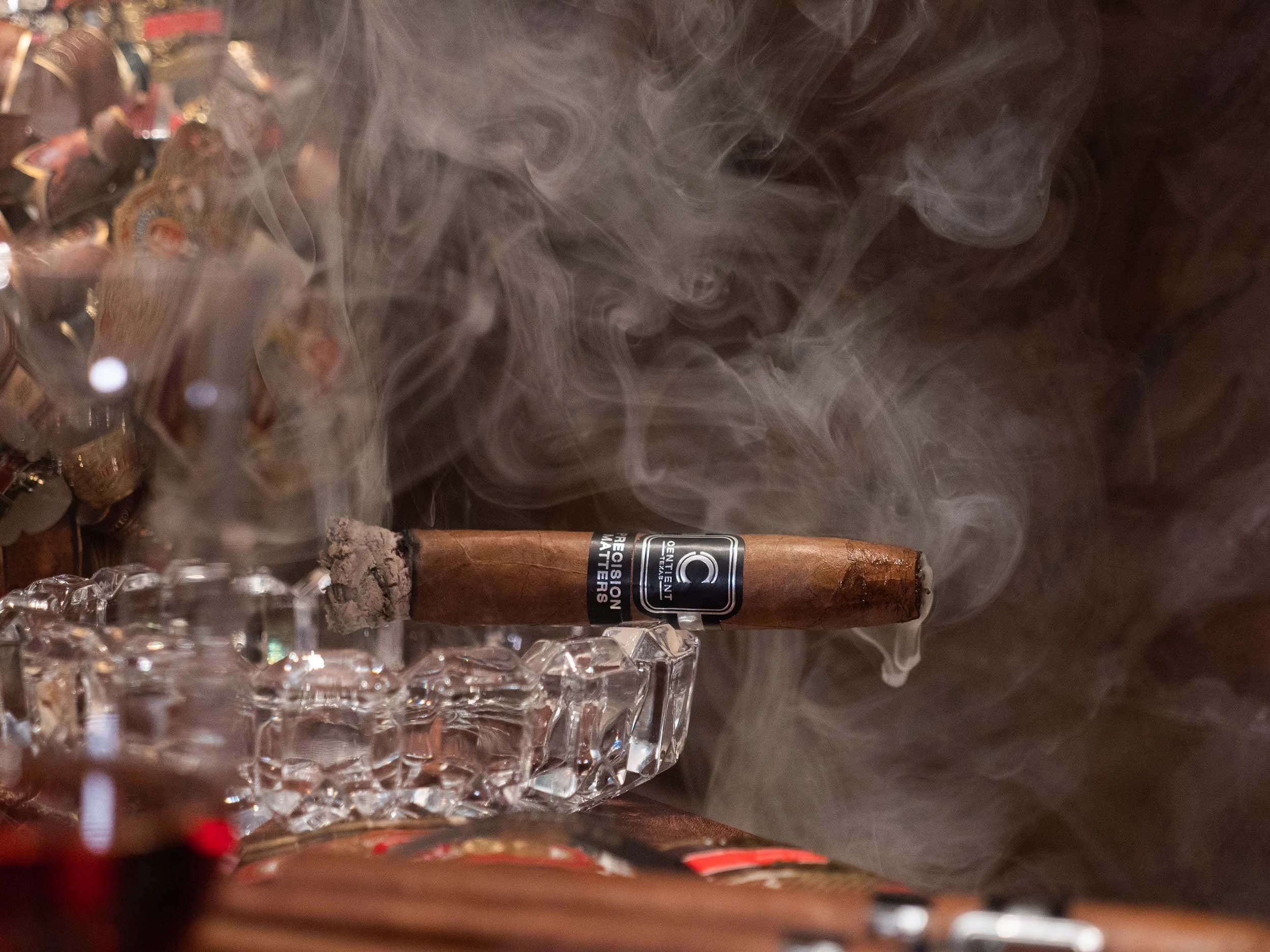
Mild cigars favor finesse: cream, hay, light woods, and gentle strength. How blends, wrappers, and storage create an easygoing profile.
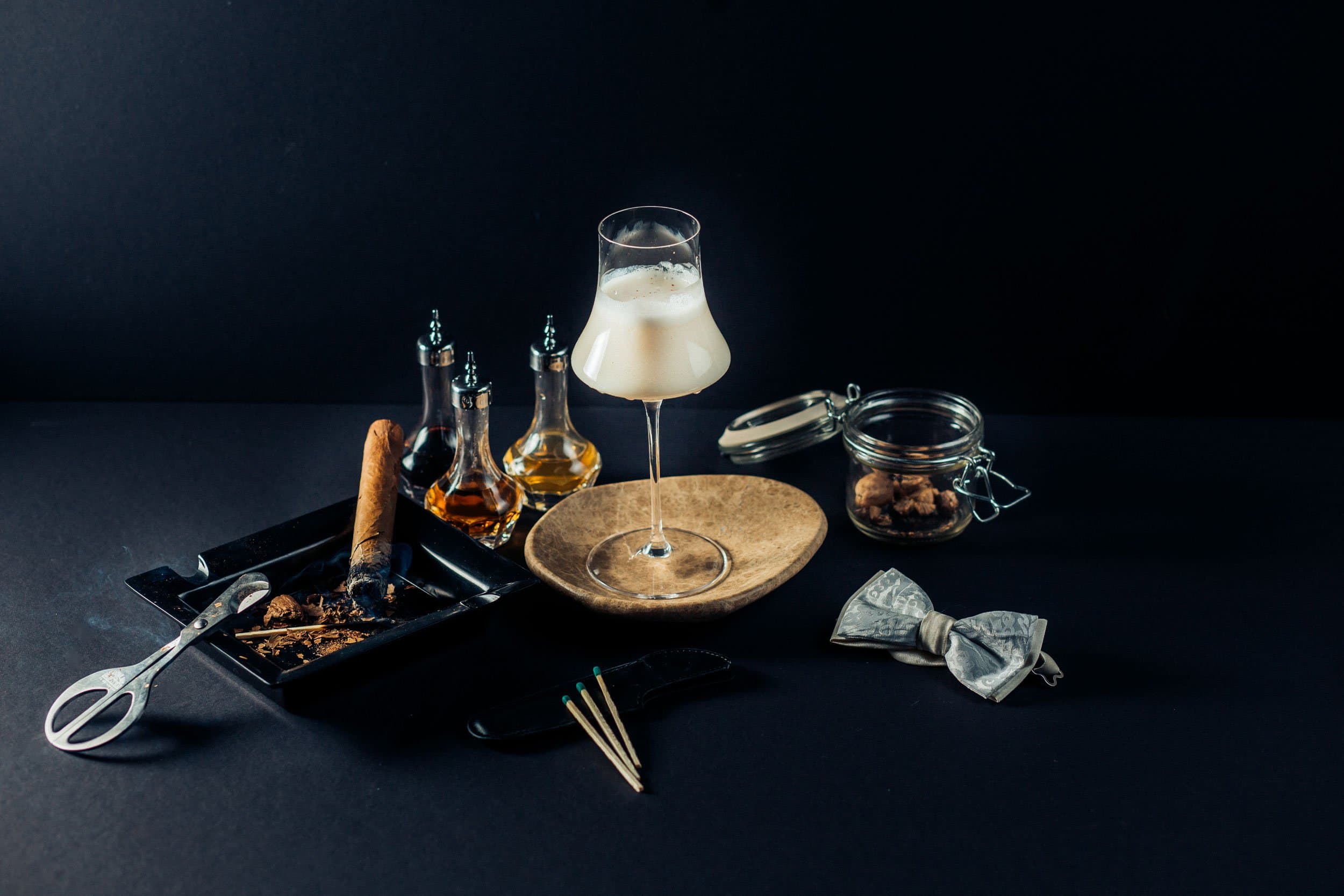
The smart way to pair cigars with liquor: match intensity first, then bridge or contrast flavors. Includes a classic pairings matrix and troubleshooting.
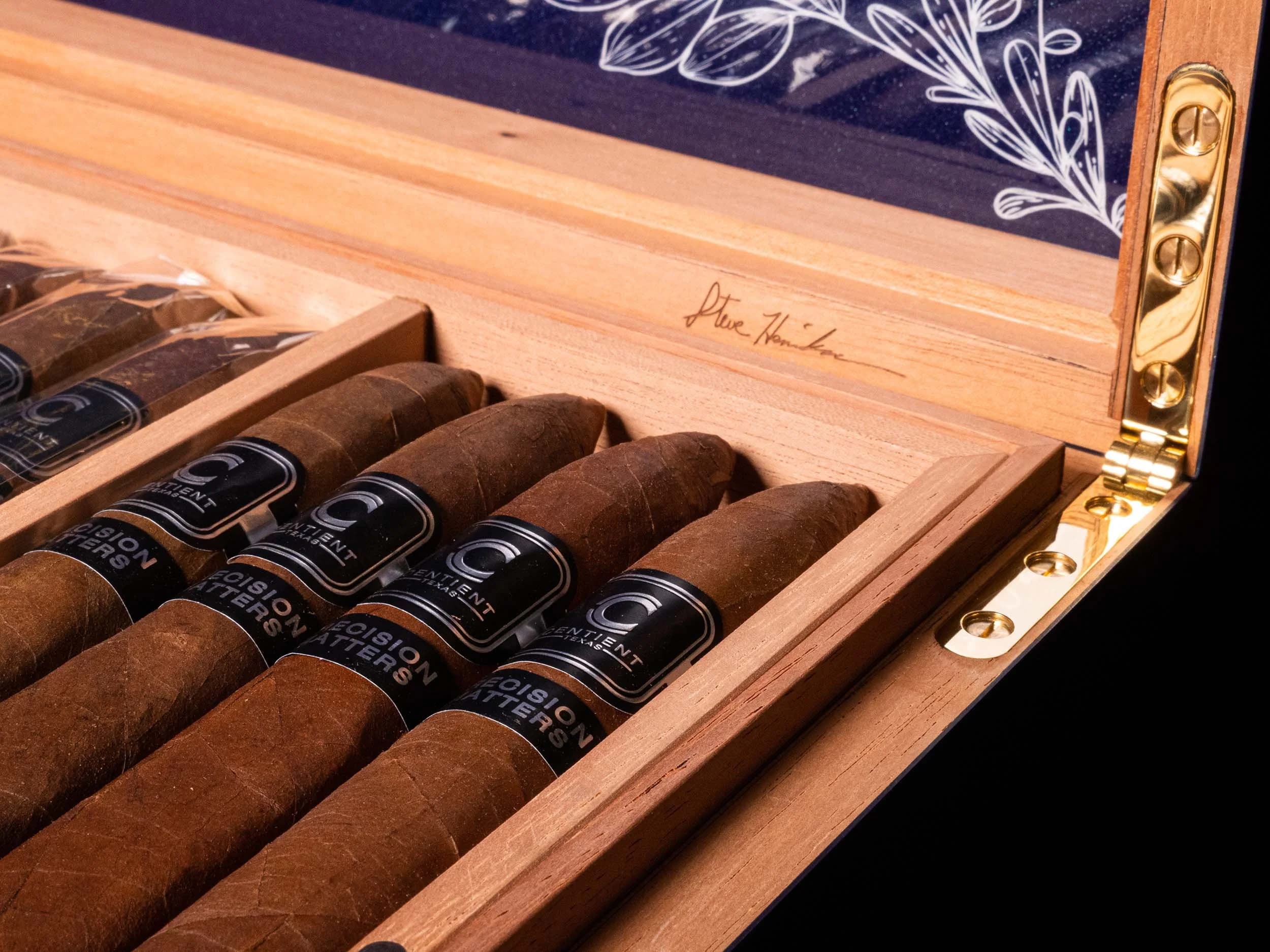
Premium boxes make stability easy, but it’s time + steady RH/temp that improves cigars. What matters, what’s myth, and how to tune a budget setup.
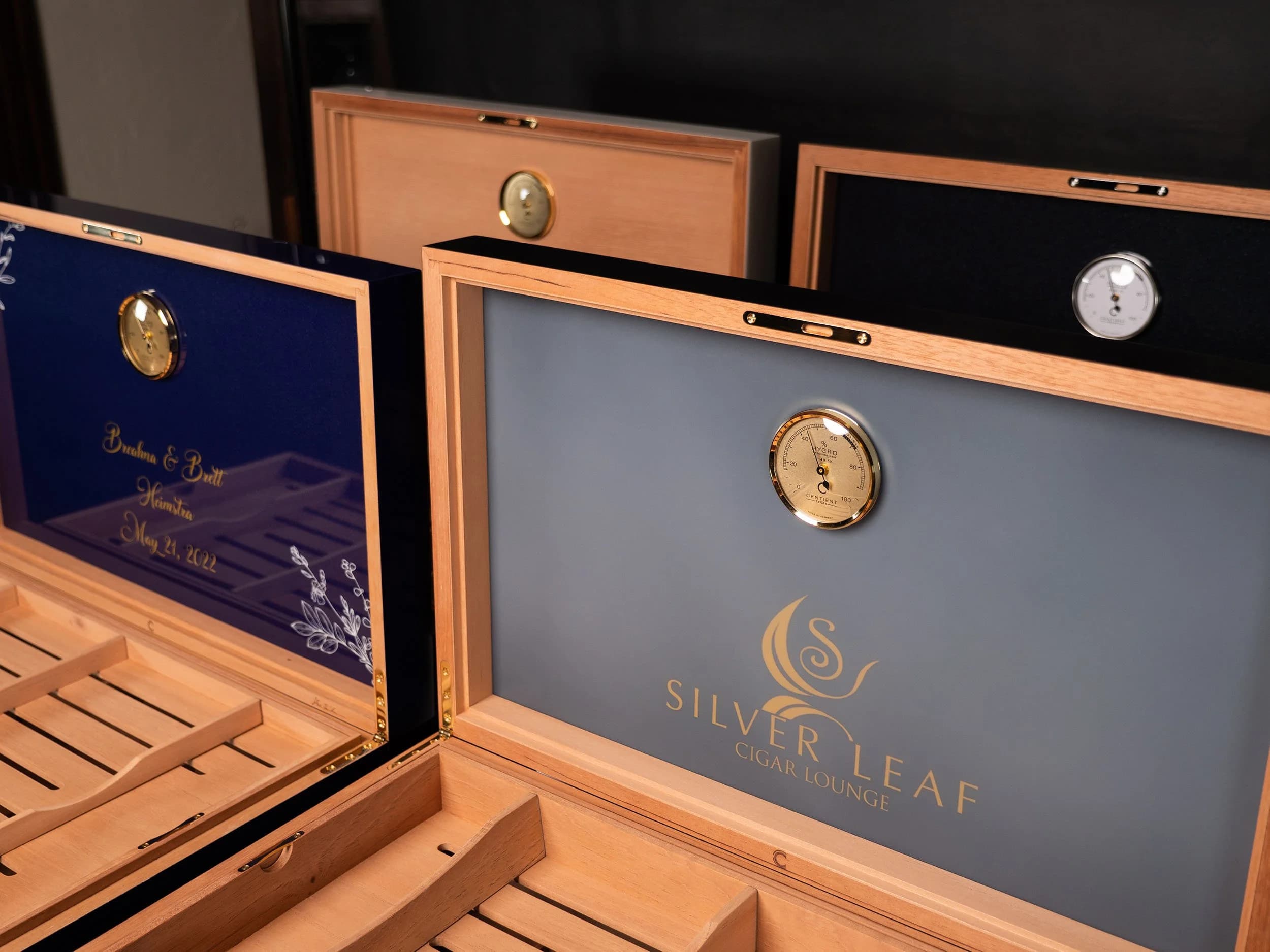
The interior wood is your humidor’s engine. Why unfinished Spanish cedar leads, what alternatives work, and the setup mistakes to avoid.
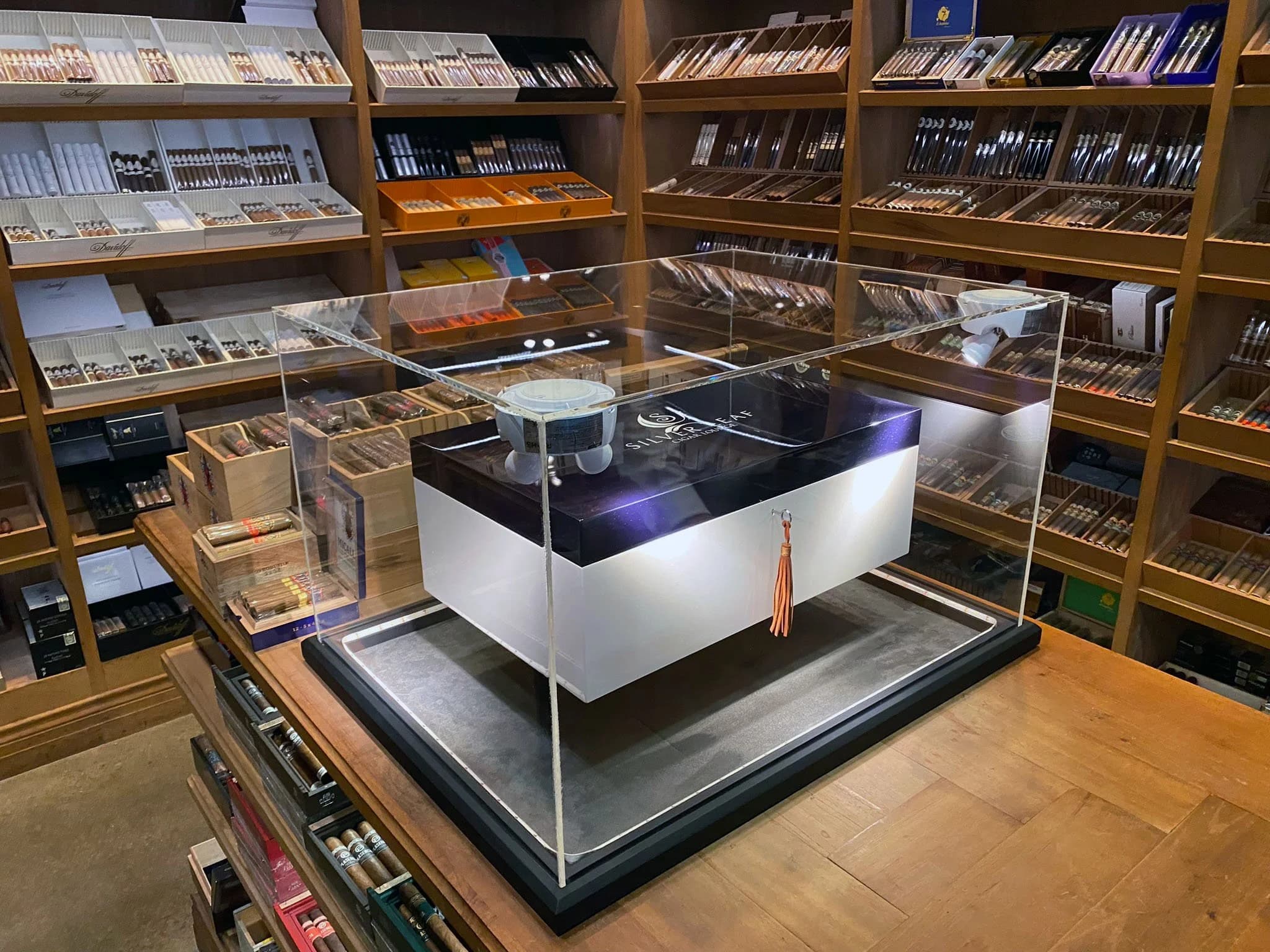
Stability + time wins. How to set RH/°F, organize cigars, use cellophane, and choose the right humidor setup for clean, long-term aging.
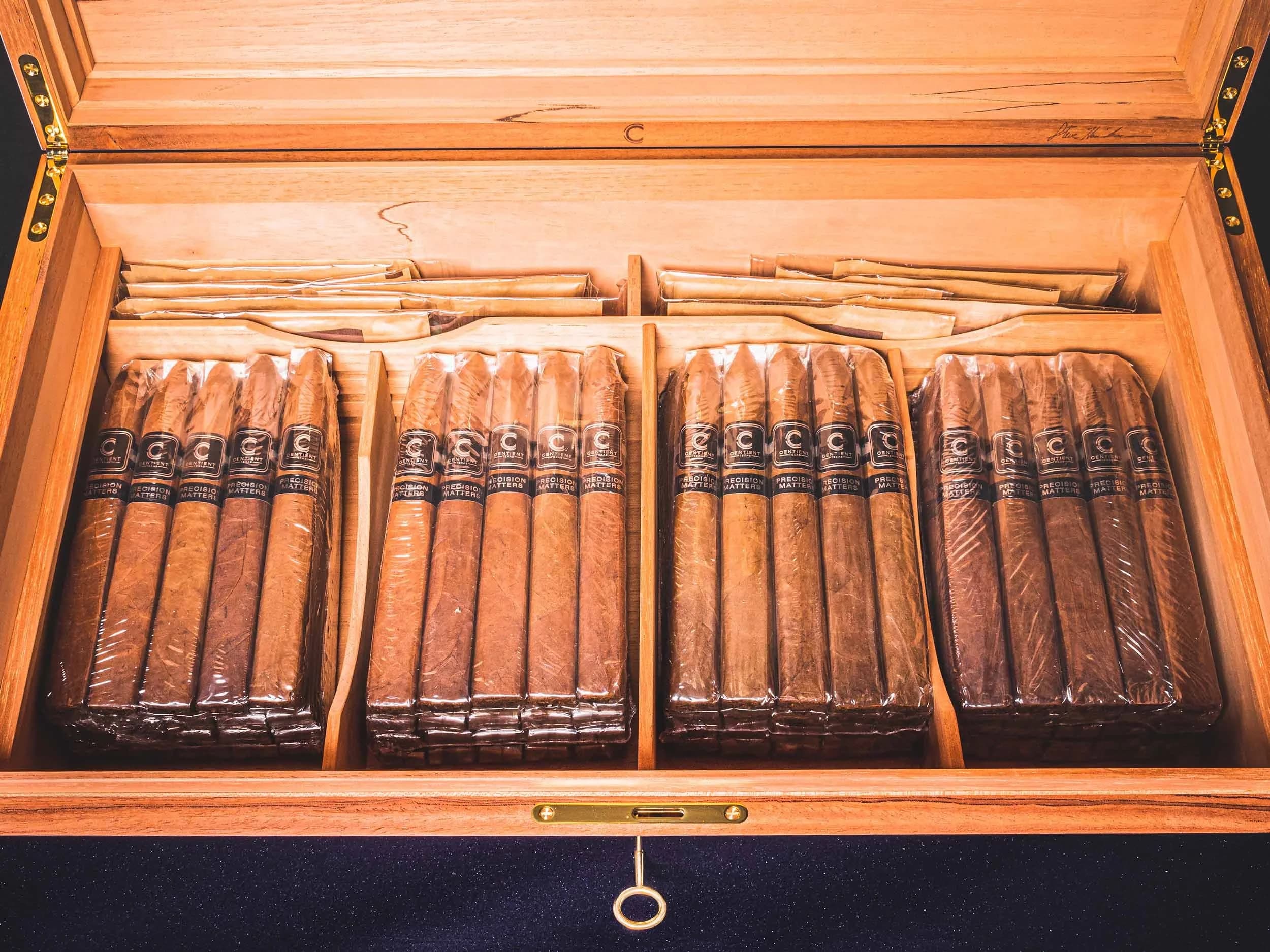
Flavor improves with time in steady conditions. Premium boxes make that easy; tuned budget setups can work, too. What matters, what’s myth, and when to upgrade.