
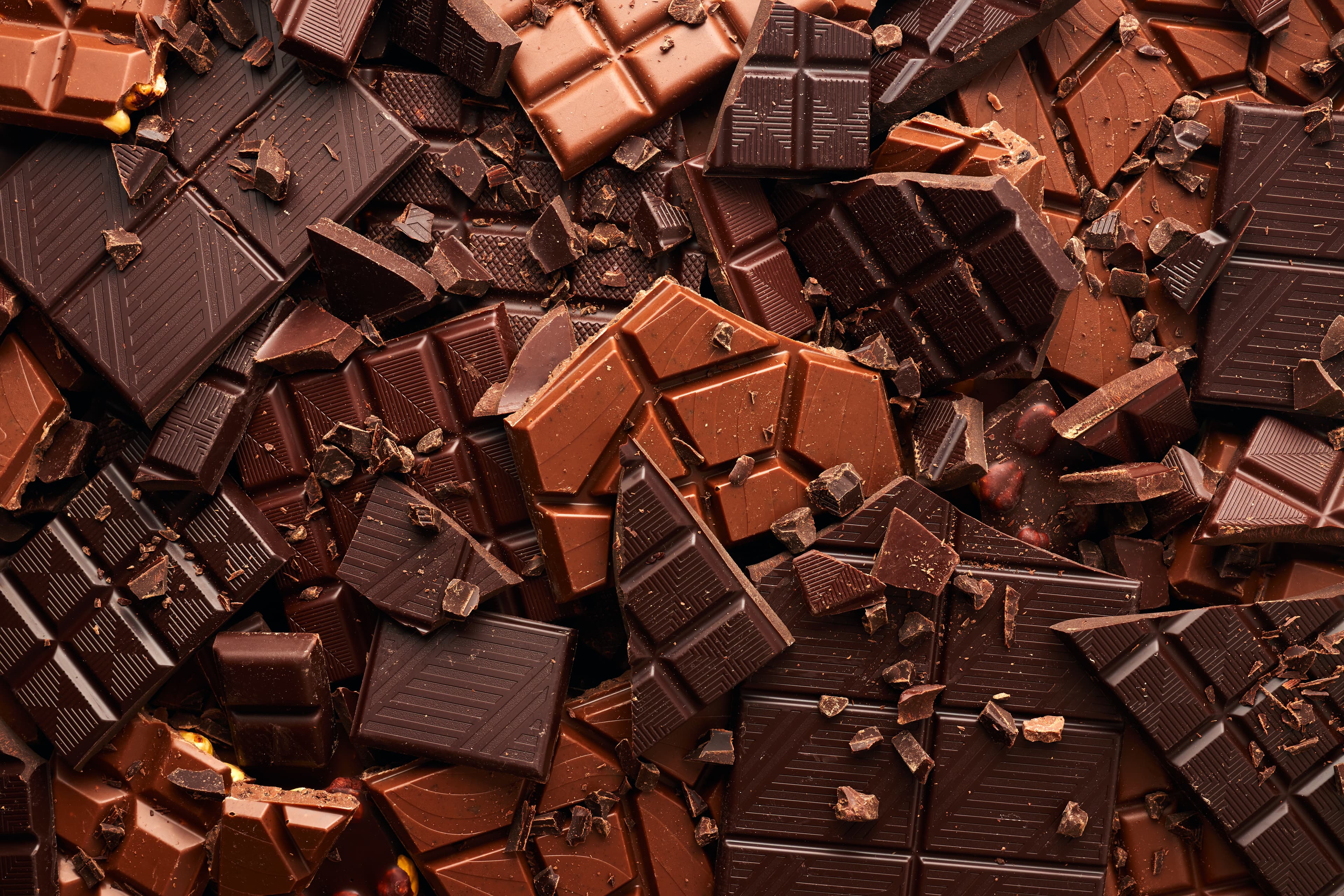
Sugar is not a bridge. It is a lid. Lift it, or the cigar has nowhere to go.
How the cigar is built for this pairing
Chocolate occupies the same mid-palate the wrapper does. A shade-grown Connecticut—honey, cedar, a little cream—has almost no defense against a bar that reads as candy. The wrapper’s sweetness is fragile; sucrose covers it. Cameroon and Ecuadorian Sumatra have spice and a drier finish. They can sit next to a mid-percentage dark if the roast of the cacao is not scorched. Habano adds pepper; it wants chocolate with enough cacao tannin to stand up, and not so much sugar that the pepper turns into a cough. Maduro and San Andrés are the obvious partners because they already taste of cocoa and molasses. The risk is doubling: two desserts, no structure.
Filler decides endurance. A mild Dominican, viso and seco, will finish a square of good chocolate in the first third and then have nothing left if you keep eating. A ligero-forward Nicaraguan can carry a higher-cacao bar into the last third, provided you do not chase it with a second row of sweets. Size is a courtesy: a petit robusto or a corona gorda is enough. A long Churchill plus a tasting flight of bars is a tasting, not a pairing.
How chocolate is built
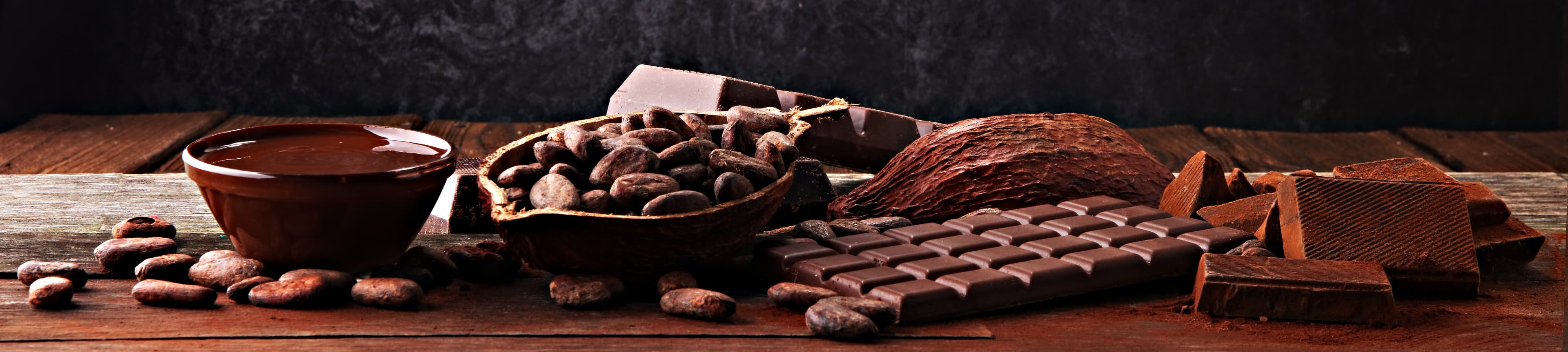
Cacao percentage is a blunt instrument, but it is the one most labels give you. Below about 50%, you are mostly eating sugar and milk solids. That is a child’s bar, or a hotel turndown, and it will bury almost any cigar. In the 60s, cocoa butter and cacao tannin start to matter; this is the useful pairing band for medium cigars. In the 70s, bitterness and origin character rise. That is where a maduro or a full blend can answer. Above the mid-80s, many bars become austere to the point of chalk. They can work with a very oily, well-aged maduro. They will make a Connecticut taste like paper.
Origin is not theater. West African commodity cacao, properly fermented, can make an honest bar. It tends toward chocolate-as-chocolate: brown, straightforward, a little rustic. Latin American and Caribbean origins often show fruit, nut, or floral notes depending on fermentation and roast. A well-made bar from either place is preferable to a famous name that has been over-conched into smoothness and then sweetened back into anonymity.
The bar you actually see
Supermarket chocolate is not beneath the pairing. It is the test of whether the pairing is real. A simple dark from a competent house—something in the 60s, not flavored, not filled—will tell you if the cigar can share the table. If that bar wrecks the smoke, a rarer bar will not save it; it will only cost more while doing the same work.
Guittard and the better Valrhona couvertures occupy the working language of serious kitchens: consistent roast, recognizable families (Guanaja, Manjari, and their neighbors), enough acidity or bitterness to be food rather than candy. A square of Guanaja-type chocolate next to a medium Habano is a known, repeatable pairing. Lindt excellence-style bars and similar widely distributed darks behave the same way if you stay in the 70% band and avoid the flavored extensions. The sea-salt and chili versions are novelties. Salt can help; chili usually fights the cigar’s own pepper and wins badly.
Milk chocolate is not forbidden. It is specific. A milk bar with real cocoa butter and a moderate sugar load can echo the cream of a Connecticut or the dairy note some maduros show in the first third. A milk bar that tastes primarily of vanilla and condensed milk will end the cigar. Gianduja—hazelnut paste folded into chocolate—adds fat and a roasted-nut sweetness that almonds also provide. It is closer to a nut pairing than a cacao pairing. Use it when the cigar can take fat; do not use it as a default.
The serious end
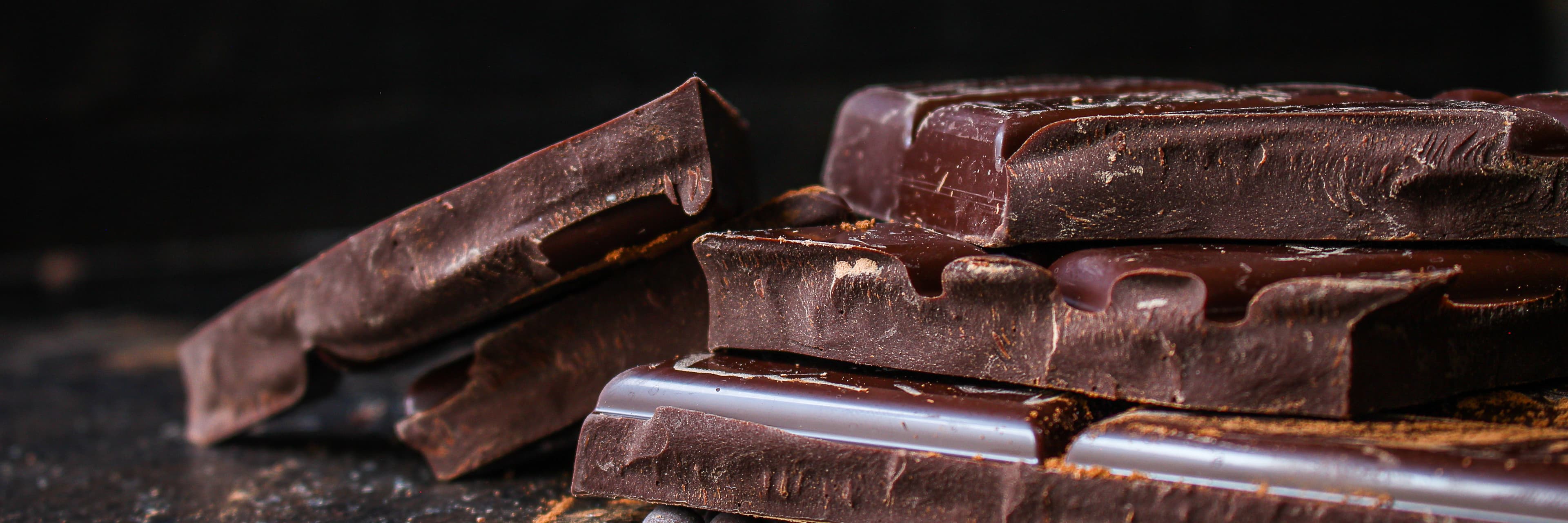
Valrhona at the top of its range, Amedei, Domori, and a handful of origin-focused makers treat fermentation and roast as seriously as a blender treats pilones. The bars are drier, more articulate, less sweet. They reward a cigar that has been rested and that has its own structure. A Domori single-origin next to a well-aged Dominican or a refined maduro can be precise. The same bar next to a young, ligero-hot Nicaraguan will taste like the chocolate is being smoked, which is not a compliment.
Percentage still governs. An 85% bar is not “better.” It is leaner and more tannic. Pair it as you would a high-cacao, low-dosage wine: with something that has fat and sweetness of its own. That is usually a maduro, sometimes a San Andrés, almost never a shade wrapper.
Filled chocolates—ganache, caramel, liqueur centers—are service problems. The filling is a second dessert with its own sugar curve. If you serve them, serve them after the cigar, or do not light one.
Service
Temperature. Chocolate should be cool-room, not refrigerated. Cold fat goes mute and then smears. A cigar at a calm mid-60s RH already has enough moisture; a cold bar next to it feels like two different rooms.
Sequence. Smoke first. Establish the leaf. Then a small square—not a row. Let it melt; do not chew it into paste. Then smoke again. If the bar is darker than the cigar, take less chocolate as the cigar strengthens.
Ash and pace. Chocolate lengthens the finish and shortens patience. People eat faster than they smoke. Keep the plate small. A robusto is a better frame than a double corona.
Time of day. This is an evening pairing, or a late-afternoon one if lunch was light. Morning chocolate with coffee and a cigar is three bitter-sweet systems at once. Choose two.
If port or Sauternes is already on the table, treat it as a cousin, not a third partner. A tawny’s oxidative nut and a Sauternes’ botrytis sugar occupy the same space as milk chocolate and gianduja. One sweet wine or one sweet bar. Not both against the same cigar.
A pairing map
| Cigar construction | Working bar | Serious bar | Why it holds |
|---|---|---|---|
| Mild. Connecticut shade, delicate Dominican, light Cameroon | Clean dark in the low-to-mid 60s; a restrained milk with real cocoa butter | A floral or fruity origin bar that is not austere; dry gianduja if nut is intended | Low sugar keeps cedar and honey visible. High cacao tannin would strip the wrapper. |
| Medium. Habano, Corojo, Sumatra, everyday Nicaraguan | Guittard or Valrhona-style 70%; an honest supermarket 70% without flavoring | A structured single-origin in the 70s with a roast that still tastes of cacao | Pepper and cacao tannin can answer each other. Sugar must stay in the background. |
| Full. Maduro, San Andrés, ligero-led blends | Dark in the mid-70s; a less-sweet milk if the cigar is already dessert-like | Amedei, Domori, or a high-cacao Valrhona family; 80s only if the cigar has oil and age | Leaf molasses can meet cacao bitterness. Two puddings cannot. |
Faults and mismatches
- A sugary dessert chocolate on a delicate cigar. The wrapper’s honey disappears. What remains is paper, heat, and vanilla. This is the most common failure, and it is almost always the bar’s fault.
- An 85% austere bar with Connecticut shade. Tannin stacks on combustion bitter. Both partners taste thinner than they are.
- Chili, mint, or orange oil. These are other pairings wearing a chocolate costume. Mint in particular will follow the cigar for the rest of the hour.
- Eating through the bar while the cigar is still in the first third. The palate saturates. The last two thirds have nowhere to land.
- Chocolate after a sweetened coffee. Sugar from the cup plus sugar from the bar leaves the cigar as garnish.
Hospitality
Do not put chocolate in the humidor. It is not a romantic idea; it is a pest and humidity problem. Cocoa butter and sugar attract pantry moths and ants. A bar will also off-gas and take on cedar, or give the cedar sweetness it should not have. Serve from a separate dish. Wrap leftovers as you would any food.
If the box is open in the same room, keep the chocolate covered. Warm rooms bloom the bar (fat rising to the surface). Bloom is harmless to eat and ugly to serve; it also smears. Cool-room service is enough. No refrigerator unless the climate forces it, and then a rest before serving.