
Sugar is the fault. The cigar can close a dinner. It cannot survive a pastry cart.
How the cigar is built for this pairing
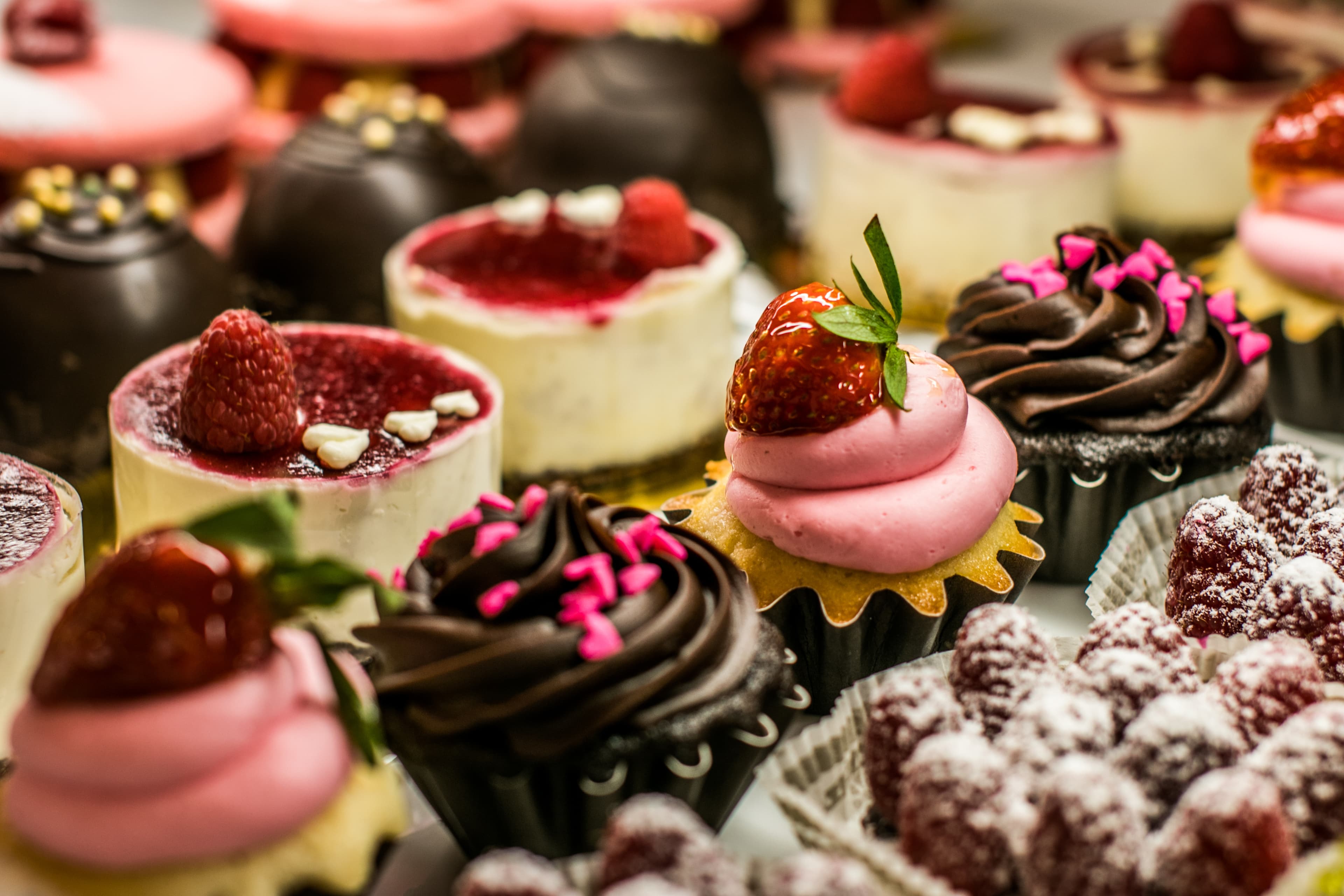
Dessert is sweeter and colder than a spirit, and more coated than a savory plate. It will flatter a cigar that already has oil only if the sugar stays modest. It will punish a delicate wrapper even when the pastry looks restrained.
Connecticut shade and a mild Dominican are the caution. A sugar crust and a sauce boat will erase honey and cedar. A small crème caramel, a ripe pear, or nothing at all is the honest path; then the cigar. Cameroon and Ecuadorian Sumatra can meet a custard that is more egg than sugar, or a hard cheese that is not a dessert cart. Habano and Corojo like the savory-sweet border: an aged cheese, a fruit that still has acid. Maduro and San Andrés can take a richer custard or a blue cheese if you do not also serve a chocolate tasting. Two cocoa sentences is how the evening gets sloppy. Use the chocolate essay, or this one, not both stacked.
A ligero-forward Nicaraguan wants a drier close, not a sweeter one. Cheese and a little fruit can meet it. A molten chocolate plate will not—and that plate has its own page anyway.
How the plate is built
By habit, dessert pairings fail on sugar and succeed on fat, salt, and acid.
Custards—crème caramel, a modest crème brûlée, pots de crème that are not a chocolate essay—are the working language. Egg and dairy coat. Caramel can echo a maduro if it is cooked to bitterness, not to candy. A blowtorched sugar cap is volume; crack it, eat it, wait, then smoke. Fruit works when it is ripe and acidic: pear, berries that are not a coulis, citrus that is not a tart with a half-inch of sugar. Candied fruit is confection. Tropical fruit next to a peppery cigar is a kitchen argument.
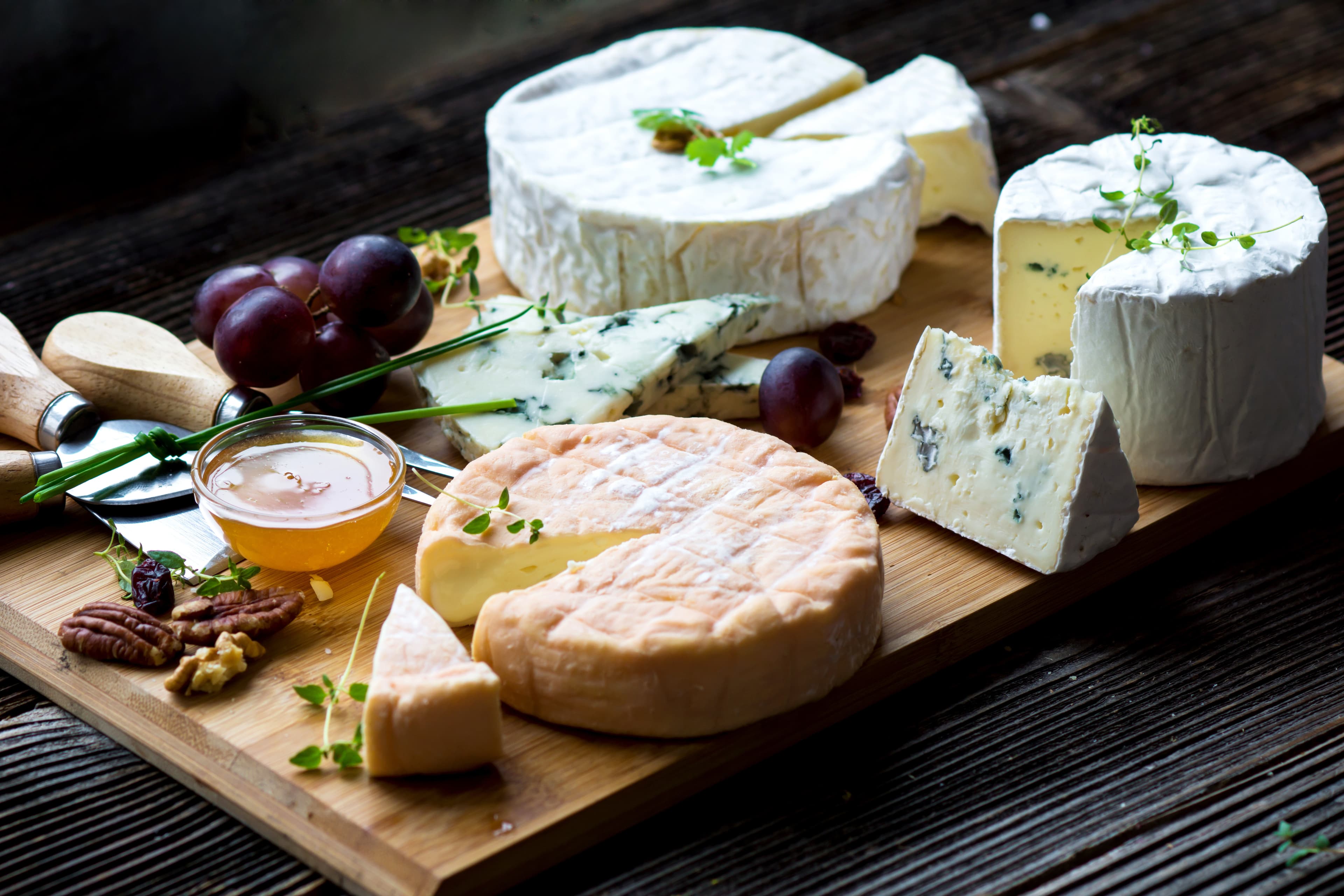
Cheese is the savory-sweet border, and often the most useful close. A hard, salty cheese next to a midweight cigar is closer to almonds than to pastry. A blue can meet a maduro if the honey on the board stays off the knife you use for the cheese. A triple-cream next to a shade wrapper is dairy on delicacy; possible in a small piece, loud as a wedge. This is not a cheese course essay. It is why cheese belongs here and a pastry cart does not.
Chocolate service is not this page. Cacao percentage, origin, and sugar against wrapper oil are already written. If the plate is a fondant, a ganache, or a tasting of bars, go there. If almonds or turrón are the close, go there. Repeating them here would make the Conservatory sloppy.
Ice cream and sorbet are temperature problems. Cold fat numbs. A small spoon after the plate can reset; a bowl through a robusto makes the cigar taste like the freezer and then like ash. Soufflé is theater and air; eat it, do not pair it as if it were structure.
Hospitality is smaller than a pastry program. One plate, one cigar, water on the table. A dessert wine can be present if someone already opened it; it should not be invented to make the cigar look serious. If the room wants chocolate, serve chocolate and use that essay. If the room wants a nut, serve almonds and use that essay. This page exists so plated dessert has a close that is not a copy of either.
The plates you actually eat
A small crème caramel or a ripe fruit, then the cigar, is how most honest closes start. If that fails, the sugar was higher than it looked, or the construction was too loud for a mild plate.
A hard cheese and a few nuts is the midweight working close. The nuts are the almonds essay if they become the point. Here they are a garnish on a cheese plate. Keep them that way.
The serious end
A composed cheese course that is not a dessert cart—two or three cheeses, bread, maybe a little fruit—is the serious end that does not require a pastry chef. Next to a rested Habano or a modest maduro it can be exact. Next to a Connecticut it should be one cheese, not a board.
A custard from a kitchen that treats egg as the point, or a fruit that was chosen ripe rather than candied, is the other end. Sauternes or a vintage port may already be in the glass; those are wine problems. Use the wine essay for the pour. This page is still the plate and the leaf. Do not stack Sauternes, a custard, and a maduro as one unexamined idea—though a small pour and a small plate can work if you choose one to lead.
Service
Timing. After the spoon, not through the first bite. Sugar on the tongue will rewrite the first third.
Portion. A tasting-menu finale is usually too much sugar for any cigar. Ask for a half, or skip, or wait longer than feels polite.
Temperature. Ice cream and a cigar are a sequence, not a pair. Let the cold leave.
The cousins. Chocolate: other essay. Almonds: other essay. Coffee: other essay, and do not stack it with dessert and a cigar as a single gesture. Wine at the sweet end: wine essay.
The box. Sugar and dairy do not belong near cedar. Crumbs, fruit flies, and a sticky spoon are hospitality problems. Keep dessert on its own table or its own end of the table.
Hands. Caramel and chocolate fingerprints go into the wrapper. Wipe. This is not preciousness. It is how a maduro starts tasting like the plate you already finished.
A pairing map
| Cigar construction | Working plate | Serious plate | Why it holds |
|---|---|---|---|
| Mild. Connecticut shade, light Dominican | Small crème caramel or ripe fruit; then the cigar | A refined custard with almost no sauce | Low sugar keeps honey and cedar. A crust and a sauce boat will not. |
| Medium. Habano, Corojo, Sumatra, Cameroon | Hard cheese; a modest crème brûlée after the spoon | A composed cheese course that is not a cart | Fat and salt at the border. A molten chocolate plate belongs elsewhere. |
| Full. Maduro, San Andrés, ligero-led Nicaraguan | Blue or aged cheese; a small bitter caramel custard | A savory-sweet border that is more salt than icing | Oil can take dairy and a little caramel. A sugar-forward finale becomes ash. |
Faults and mismatches
- A sugar crust and a sauce boat on a shade wrapper. The wrapper never recovers.
- A molten chocolate plate treated as this essay. Use the chocolate page, or skip the cigar.
- Ice cream through a robusto. Cold fat numbs. The cigar tastes like the freezer.
- A chocolate tasting plus a maduro plus this page. You have written the same sentence twice.
- A tasting-menu finale as a pairing flex. The cigar does not care how many courses preceded it. It cares about sugar.
Chocolate and almonds are not lesser desserts. They are different pairings, already written. Coffee if the hour has moved to a cup. The pairing desk will send you to the right family instead of stacking them.