
If the rum tastes sweeter than the cigar’s last third, the rum is doing the dessert work. The leaf will go quiet.
How the cigar is built for this pairing
Rum and cigars share a climate in the popular imagination. They do not automatically share a structure. A dosed, vanilla-heavy sipping rum will treat a delicate cigar the way a farmed chocolate bar does: it will cover it. A high-ester Jamaican will treat a mild Dominican as a garnish.
Connecticut shade wants cleanliness: a dry Cuban-style añejo, a light agricole, a Spanish rum that still tastes of distillate. Cameroon and Sumatra can take more ester and more oak—Appleton in the middle ages, a modest agricole vieux. Habano and Corojo like pot-still weight and a little funk, or a firm Spanish oak. Maduro and San Andrés are the molasses conversation: Demerara, a richer Cuban, a Diplomático if you accept what that bottle is. A ligero-forward Nicaraguan can carry Foursquare-level oak and a serious Jamaican. A young, wet cigar plus a high-ester rum is solvent on solvent. Rest the stick.
How rum is built
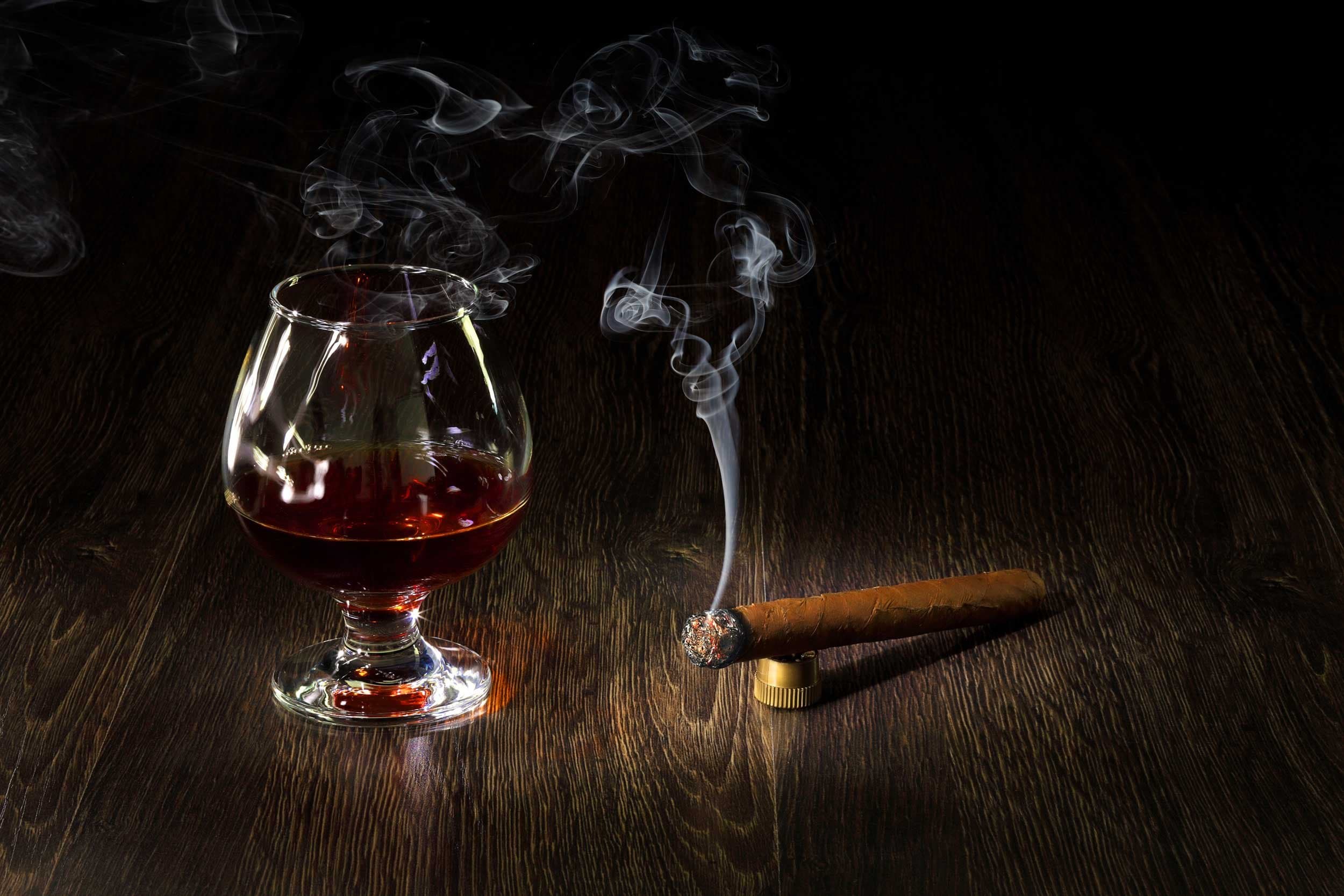
Three traditions still explain most of the cabinet, even when the label prefers a story.
The Spanish tradition (Cuba, the Spanish Caribbean, much of the modern “añejo” category) favors column stills, lighter distillate, and aging that reads as vanilla, dried fruit, and oak. It is the closest rum to a polite whiskey, and the easiest next to a medium cigar—until dosing and added sugar turn it into liqueur. The English tradition (Jamaica, Barbados, Guyana, the pot-still and double-retort world) keeps more congeners. Esters, weight, sometimes tar and tropical fruit. These rums have the authority to sit with a full cigar. The French tradition—agricole, especially Martinique AOC—starts from fresh cane juice, not molasses. The flavors are grassy, mineral, sometimes floral. They pair more like a dry white or a mezcal than like a dessert rum. That can be a virtue next to a shade wrapper. It can be a mismatch next to a chocolate-heavy maduro.
Column versus pot is the mechanical version of the same split. Column rum is leaner and cleaner. Pot still is heavier and more aromatic. Blends of the two (Barbados does this as a house style) can be the most complete cigar rums because they have both lift and weight.
Sipping rum and mixing rum are not moral categories. They are jobs. A mixing rum—bright, relatively light, built for citrus and ice—will disappear beside a medium cigar if you sip it neat. A sipping rum with a heavy sugar addition will dominate a mild cigar and cloy a full one. Read the glass, not the shelf talker.
The bottles you actually see
Bacardi 8 is a Spanish-style, widely available sipping rum: oak, vanilla, a little dried fruit, not a lot of funk. It is a competent partner to a medium Habano or a modest maduro. It is thin next to a dense Nicaraguan and a little sweet next to a very delicate Connecticut if you pour it warm and neat. Havana Club (the 7 in many rooms; the 3 if someone is mixing) is the Cuban-style working language: cocoa, oak, a drier finish than the dessert bottles. Havana Club 7 with a medium cigar is one of the more repeatable pairings in the category. Diplomático Reserva Exclusiva is the popular sweet pour—round, molasses, easy. Treat it as you would a sweeter bourbon: maduro can take it; shade cannot; a full ligero will make it taste like syrup. If the room is pouring it, do not pretend it is Foursquare.
These bottles are how most evenings start. They are not a lesser tier. They are the test of whether you are pairing rum or pairing a mood.
The serious end
Havana Club Selección de Maestros is a richer, barrel-finished Cuban-style rum with more oak and more authority. It can sit with a full cigar without becoming dessert, provided the glass is not the sweetest thing on the table. Appleton 21 is Jamaica with age and polish: pot-still character tamed by time, orange peel, oak, a little funk rather than a lot. It is a complete cigar rum for medium-full blends. Younger Appletons (12, 8) are the working versions of the same idea.
Foursquare Exceptional Cask Series and the better Barbados pot-and-column blends are the first-growth thinking of modern rum: cask, distillation, and a dryness that many “sipping rums” refuse. They pair like serious whiskey—oak and distillate, not sugar. A Habano or a rested maduro can meet them. A Connecticut can meet the more elegant casks if the proof is not punitive.
Agricole rhums—neat, or a well-aged vieux—are the dry, grassy register. A good blanc agricole is closer to tequila blanco than to Diplomático. Pair it with a mild or medium cigar that can take brightness, or use it as a reset, not as a dessert. Independent bottlers (the cask-strength Jamaicans, the Demerara marks, the aged agricoles) are specific. High ester plus high proof plus a mild cigar is a fault you can smell before you light. Water still applies.
Demerara rum, when it is actually Guyanese pot still and not a caramel color story, has a dark, sometimes woody gravitas that maduro already understands. Pair weight with weight.
Service
Glass. A small tumbler or a tulip. Snifters full of warm, sweet rum are how pairings become perfume. Agricole blanc can take a narrower glass; you need the grass, not the ethanol.
Temperature. Cool room. Ice belongs in a mixed drink. A single cube in a hot, young rum can help; in Appleton 21 it is usually a subtraction.
Sequence. Taste the rum first if you do not know whether it is dosed. Sweetness that does not show on the nose will show on the sip, and it will decide the cigar. Then light. Alternate slowly. Esters linger longer than bourbon’s vanilla.
Time of day. Evening, or a late tropical afternoon if the rum is dry. Sweet rum after a sweet dessert is a pile-up; skip the dessert or skip the rum.
A short wine cousin, if the table already has it: a dry oloroso occupies some of the same oxidative, nutty space as an aged Spanish rum. A tawny port occupies the Diplomático space. Do not pour both.
A pairing map
| Cigar construction | Working pour | Serious pour | Why it holds |
|---|---|---|---|
| Mild. Connecticut shade, light Dominican | Havana Club 7; a dry Spanish añejo; agricole blanc if you want lift | An elegant Foursquare or a refined agricole vieux; not a dosed dessert rum | Clean cane and modest oak keep honey intact. Molasses bombs cover it. |
| Medium. Habano, Cameroon, Sumatra | Bacardi 8; Appleton 8 or 12; Havana Club 7 | Appleton 21; a balanced Foursquare ECS; Selección de Maestros | Spice meets ester and oak. Sugar must stay in the background. |
| Full. Maduro, San Andrés, ligero-led Nicaraguan | Diplomático if that is the bottle; a richer Havana; Demerara-style sipping rum | Cask-strength Barbados or Jamaica with water; serious Demerara; agricole only if the cigar can take grass | Leaf molasses can meet cane and char. Funk should be intended, not accidental. |
Faults and mismatches
- A heavily dosed sweet rum on Connecticut shade. The wrapper becomes vanilla wrapping paper. This is the chocolate-sugar fault in a glass.
- High-ester Jamaican on a delicate Dominican. Solvent and grass fight cedar. Neither wins.
- Mixing rum sipped neat with a full cigar. The rum is too light. The cigar smokes alone, and someone will blame the tobacco.
- Agricole blanc with a dessert maduro. Grass and molasses are a kitchen argument.
- A rum old-fashioned loaded with sugar and bitters. You have built a third pairing on top of the first two. Neat was enough.
Hospitality
Rum does not threaten a humidor the way coffee and chocolate do. An open bottle in the room is still an aromatic; keep it capped. Do not store a sticky, dosed rum next to the box—sugar residue and fruit-fly interest are real in a warm climate. Serve water. Serve less rum than the bottle’s reputation suggests.