
If you cannot taste agave, you are not pairing tequila. You are pairing oak and glycerin with a cigar.
How the cigar is built for this pairing
Tequila is brighter than bourbon and usually drier than dosed rum. That brightness is useful. It is also why a delicate cigar can survive a well-made blanco and why a full cigar will ignore one.
Connecticut shade can take a clean, additive-free blanco or a light reposado. An extra añejo will bury it in vanilla. Cameroon and Ecuadorian Sumatra like reposado: a little oak, still some pepper and citrus from the plant. Habano and Corojo meet the spice of a well-made highland or a robust reposado without trouble. Maduro and San Andrés want añejo only if the agave is still visible; otherwise they are better with a dry reposado and contrast than with a sweet extra añejo and another dessert. A ligero-forward Nicaraguan will walk through most blancos. Give it oak, or give it a different spirit. A mild Dominican is the blanco cigar if the tequila is clean and the smoke is rested.
How tequila is built
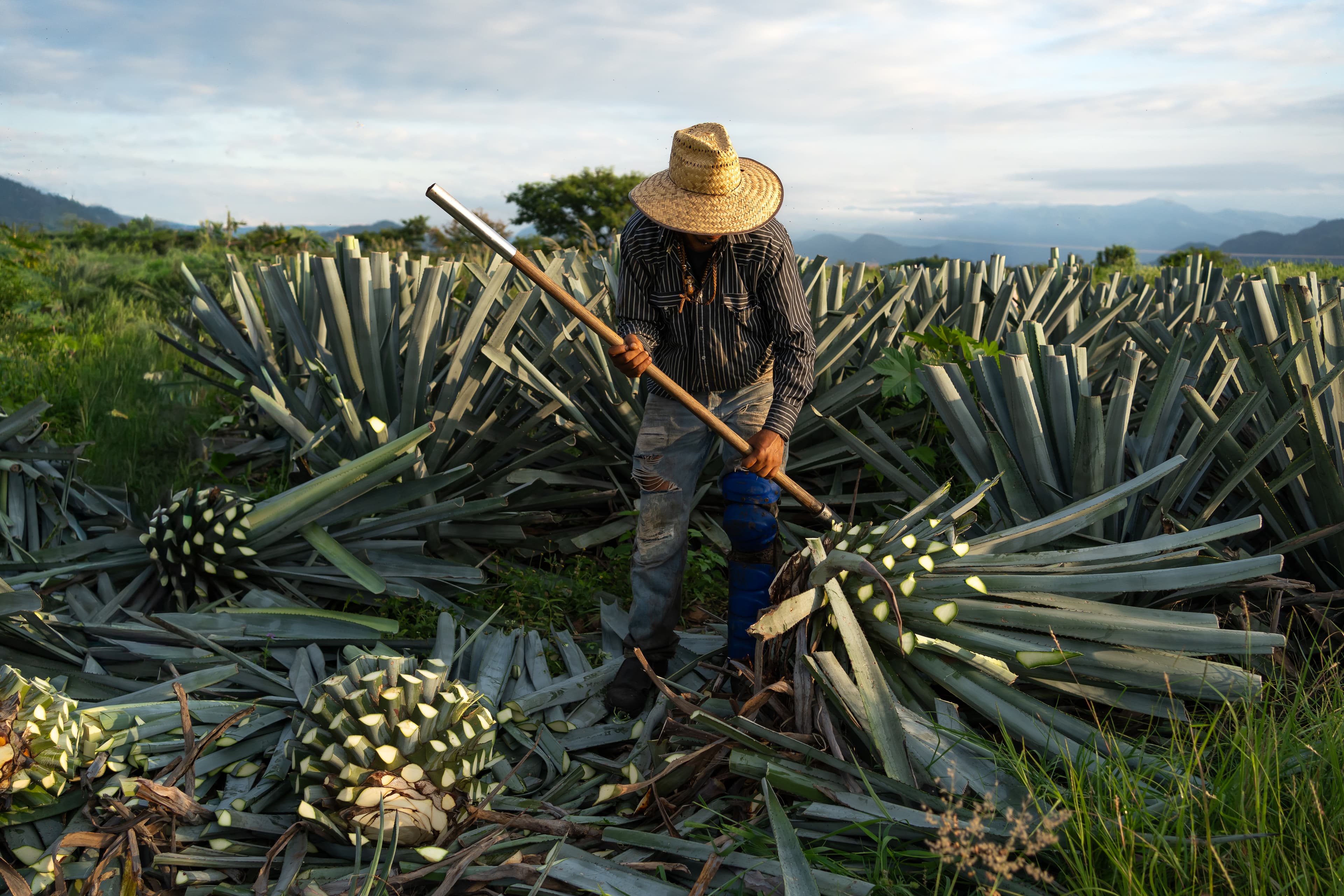
Blue Weber agave, cooked, fermented, distilled in Jalisco (and a few permitted municipalities), bottled as blanco, reposado, añejo, or extra añejo. The pairing lives in how the agave was cooked and whether the producer added anything after the still.
Oven versus autoclave (and diffuser, at the industrial end) changes the sweetness and the vegetal character. Traditional stone or brick ovens tend to give deeper, roasted-agave flavor. Autoclaves are faster and cleaner; they can still make serious tequila. Diffusers extract sugars with less roast; the resulting spirit often needs more help later—oak, additives, a story. You cannot always know the process from the label. You can taste whether the plant is still there.
Blanco (unaged, or briefly rested) is agave, minerality, pepper, citrus, sometimes olive or herb. It is the most distinctive pairing and the least like whiskey. Reposado (two months to a year in oak) is the bridge: still agave, a little vanilla and tannin. Añejo (one to three years) and extra añejo (over three) take on more wood. Extra añejo, especially, can be a sipping whiskey analog. Some are excellent. Some are oak and caramel with a tequila tax stamp.
Additives—glycerin, caramel color, flavor essences, sugar-based sweeteners—are legal in the category within limits and common in the bottles that market themselves as smooth. They make pairing harder because you are no longer matching plant to leaf. You are matching confection to smoke. Additive-free houses are not a moral club. They are a clearer instrument.
The bottles you actually see
Don Julio blanco and reposado are the working language of a great many rooms: clean, polished, a little sweet, widely understood. The reposado is the more useful cigar pour. The blanco is polite. Don Julio 1942 is the popular-luxury extra añejo: vanilla, oak, a dessert profile that people order by name. A serious drinker may still pour it; a serious pairing should treat it as a sweet, woody sip, not as the pinnacle of agave. It can sit with a maduro that can take vanilla. It will smother a Connecticut and make a refined blanco-style cigar taste like the cocktail list.
Clase Azul is the cautionary popular-luxury object: the ceramic, the sweetness, the gift. What is in the glass is often a flavored, softened reposado or añejo experience. Pair it as a sweet oak drink if it is what the host poured. Do not build a tasting around it, and do not let it stand for the category. The cigar will taste the sugar first.
Other widely distributed house reposados (the standard Espolòn, a decent Herradura, the everyday bottles on a well-run bar) behave like their process and their sweetness. If the nose is caramel before agave, choose a fuller cigar or a smaller sip.
The serious end
Fortaleza (blanco and reposado especially) is the modern reference for cooked-agave character: tahona, oven, a rustic completeness. The blanco with a mild or medium cigar is a pairing about pepper and mineral, not about oak. The reposado adds just enough wood for a Habano. G4, Cascahuin, and Tapatio sit in the same conversation: additive-free, plant-forward, different houses, same honesty. Tapatio 110 is high proof; water applies. Cascahuin’s tahona and platform expressions are more specific; pair the intensity you actually poured.
These bottles are not obscure for sport. They are what a serious drinker reaches for when the question is agave rather than the decanter. An añejo from one of them can meet a maduro without becoming 1942. An extra añejo from a house that still tastes of plant is rare enough that you should let the glass lead and choose a quiet, oily cigar.
Highland versus valley is a real agronomic difference—more floral and herbal in some highland lots, more earthy in some valley lots—but it is a secondary pairing dial after process and additives. Use it when both bottles are already clean.
Mezcal, where it belongs
Mezcal is a sibling, not a garnish. Espadín, cooked in earth, often with a smoke that is not optional, behaves more like a peated malt than like a blanco tequila. A clean, lightly smoky espadín can echo a Sumatra or a fuller Nicaraguan the way a modest Islay echoes earth. A heavily smoked wild-agave mezcal will do to a Connecticut what Laphroaig does: erase it. If mezcal is on the table, pair it as phenol and roast, in a small glass, with a cigar that already has earth. Do not pour it to “make the tequila pairing more interesting.” That is how both drinks lose their jobs. The rest of mezcal—other agaves, clay stills, the whole village conversation—is another essay.
Service
Glass. A small copita or a proper tasting glass. The caballito is tradition; it is also how you miss the nose. A tumbler is acceptable for añejo. A chilled snifter of extra añejo is theater.
Temperature. Cool room. Ice belongs in a mixed drink. A frozen glass numbs agave the way it numbs malt.
Sequence. Blanco: sip first, then the cigar. You need to know if the plant is clean. Añejo: either order works. Sangrita is a palate reset, not a pairing partner; if it is sweet, skip it. Salt and lime are for a different tequila than this essay is about.
Time of day. Blanco can be late afternoon. Reposado and añejo are evening. Extra añejo is a nightcap and should not share the table with a long, hot cigar unless you mean the oak to win.
Water on the table. High-proof blancos (the 110s, the still-strength releases) need it as much as Booker’s does.
A pairing map
| Cigar construction | Working pour | Serious pour | Why it holds |
|---|---|---|---|
| Mild. Connecticut shade, light Dominican | Don Julio blanco or a clean house blanco; a light reposado | Fortaleza blanco; Cascahuin or G4 blanco | Agave brightness lifts cream. Oak and additives would cover it. |
| Medium. Habano, Cameroon, Sumatra, Corojo | Don Julio reposado; a straightforward house reposado that still smells of plant | Fortaleza or Tapatio reposado; G4 reposado | Pepper meets pepper. A little oak frames without turning the glass into bourbon. |
| Full. Maduro, San Andrés, ligero-led Nicaraguan | A drier añejo; 1942 only if you accept vanilla as the point | An additive-free añejo; extra añejo only when the agave remains; mezcal espadín if smoke is intended | Leaf molasses can take wood. It should not have to take glycerin. |
Faults and mismatches
- Clase Azul or a heavily additive reposado with a delicate cigar. Sugar and glycerin lid the wrapper. The cigar tastes like the bottle’s smoothness, then like ash.
- 1942 with Connecticut shade. Vanilla oak on honey cedar. The plant is gone; the leaf is gone; what remains is dessert.
- A thin, industrial blanco with a ligero Nicaraguan. The tequila is a rinse. The cigar was always going to ignore it.
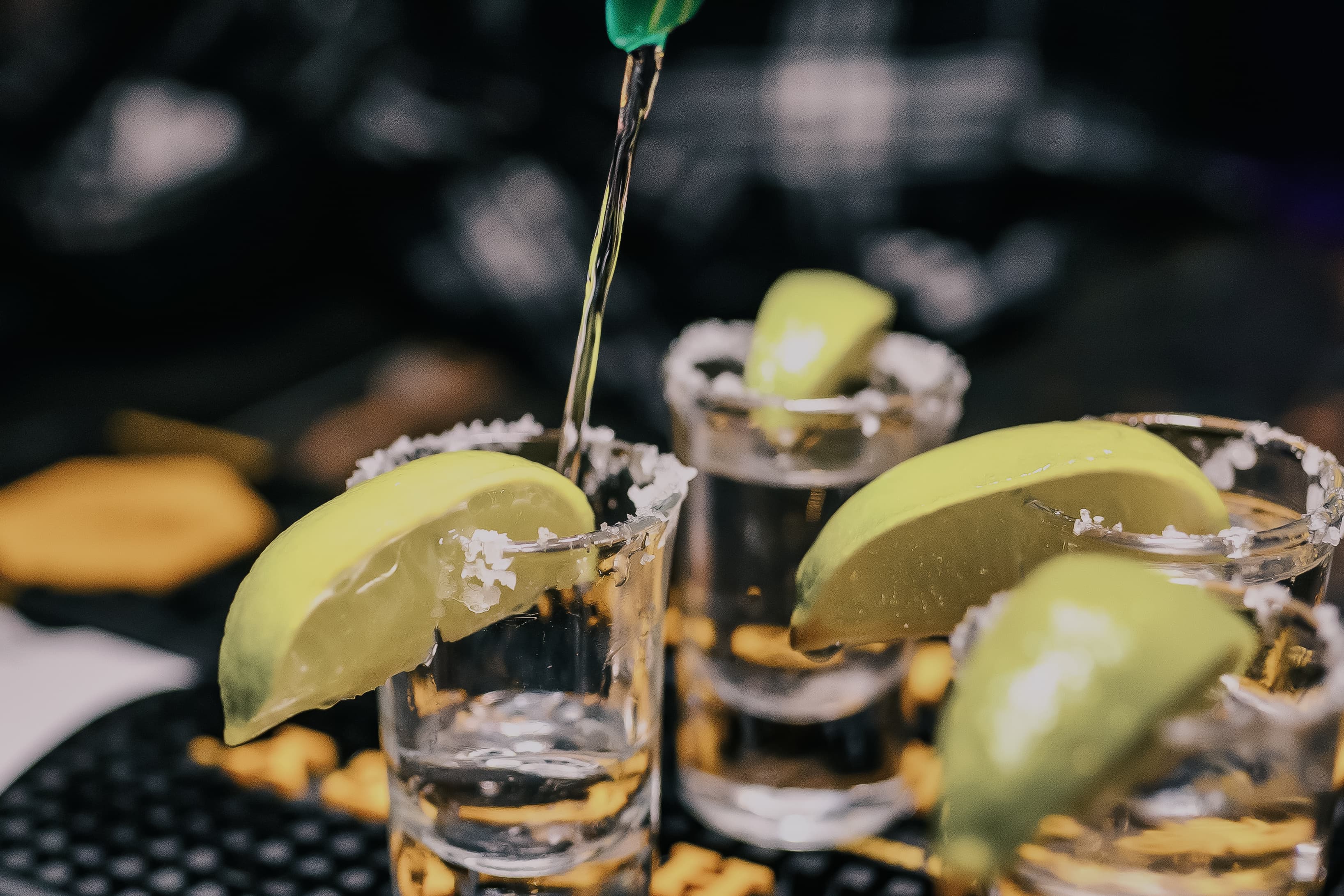
- Salt, lime, and a serious bottle. You have reset the palate into a cocktail. The pairing is over.
- A peaty mezcal “to finish” a blanco pairing. You have changed spirits. Light a different cigar or put the mezcal away.
Hospitality
Tequila does not belong in the humidor and does not usually threaten it from across the room. An extra-añejo decanter left open will perfume a small space with oak; cap it. Serve water. Serve smaller pours than the ceramic suggests. If the host has brought Clase Azul, accept the hospitality and choose the cigar that can take sweetness—then, another night, pour something that still tastes of agave.