
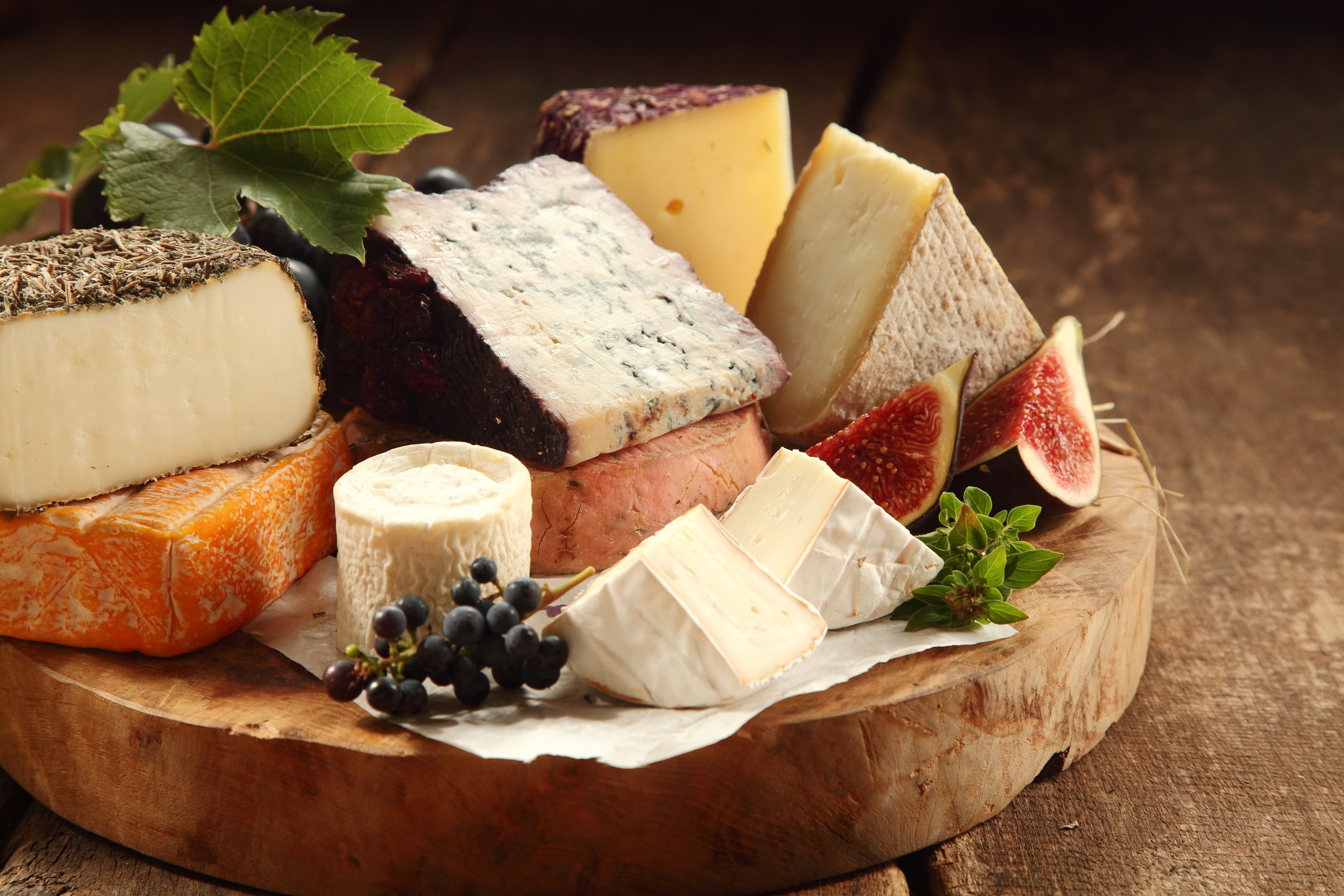
Fat answers smoke. Ammonia and heat do not. If the rind already fills the room, the cigar will finish as ash.
How the cigar is built for this pairing
Cheese is more tannic than it looks. Age concentrates salt and protein; a washed rind adds heat; a blue adds a mineral sting that behaves like a dry wine. The cigar that survives is the one whose oil can answer that concentration without being cooked by it.
Connecticut shade can work if the paste still tastes of milk: a young cheddar, a Manchego with some months, a Comté that has not gone to cellar. A hot washed rind will varnish the honey. Cameroon and Ecuadorian Sumatra have enough spice to meet a nuttier Comté and an aged sheep. Habano and Corojo are the useful midweight—pepper against a clothbound cheddar, cedar against a 24-month mountain cheese. Maduro and San Andrés share the dried-fruit and caramel of an old Gouda and the mineral of a serious Stilton. The danger is two sweet, oxidative things agreeing too loudly. A drier blue, or a Comté with real acidity, keeps that from happening.
A mild Dominican is a lunch-cheese problem. Cream and cedar want a paste that has not yet become a room. A ligero-forward Nicaraguan wants more cheese, not less—more age, more salt, more rind—or the cigar will treat the plate as a palate cleanser and ignore it.
How cheese is built
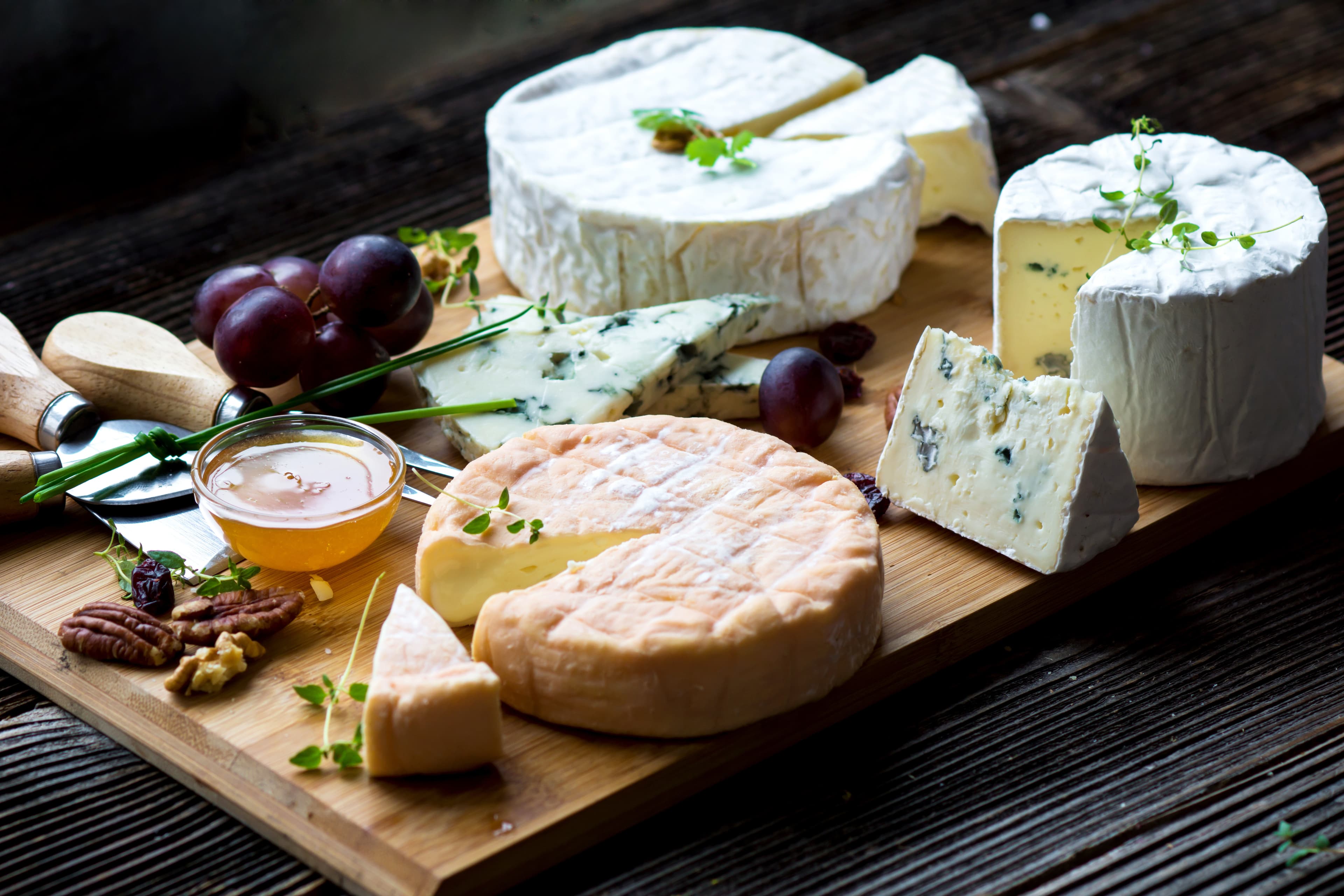
By habit, cheese is milk, culture, salt, and time. Everything that matters for pairing sits in four decisions: which animal, how long, what kind of rind, and how much fat and salt remain against the smoke.
Milk type is not a brochure. Cow tends toward butter, nut, and a broader fat. Sheep is denser, often sweeter in a mineral way—Manchego, a serious Ossau-Iraty. Goat is leaner and more lactic; it can lift a mild cigar and vanish next to a full one. Pair the milk you cut, not the flag on the label.
Age concentrates. A young paste is moisture and lactic sweetness. Months add nut and broth. Years add crystals, salt, and a dryness that behaves like tannin. A 36-month Comté is not a louder version of a young one. It is a different partner: less milk, more cellar, more grip. Pair it as you would a wine that has left primary fruit.
Rind is atmosphere. A natural or clothbound rind is mostly texture and a little cellar. A bloomy rind (brie, camembert) is mushroom and cream—fine in a small wedge if it has not collapsed. A washed rind is a different language: Brevibacterium, heat, a smell that arrives before the knife. That heat will wreck a Connecticut shade. It can sit with a maduro if the paste underneath is still cheese and not only ammonia.
Fat and salt versus smoke is the pairing. Fat coats and extends. Salt resets pace the way a Marcona does in the almond essay. Too little of either and the cigar walks past. Too much salt and the next draw tastes like a wound. Sugar does not belong here as a strategy. A membrillo or a fig cake next to a mild cigar is dessert pretending to be a cheese plate.
The cheeses you actually cut
Cheddar is the working language in most rooms that already have a cigar. A supermarket block that is honest—not dyed, not crumbled for a bag—will do the job if the paste is clean and the salt is not industrial. It has enough fat to answer shade and enough backbone for a midweight Habano. It is not a lesser pairing. It is how the pairing actually starts.
Manchego is sheep as a house style: density, a little sweetness, a clean salt. Three to twelve months is the useful band. A very young wedge is snack cheese; a very old one can go waxy and fight a delicate wrapper. Pair it with Cameroon or a modest Habano. Skip the quince paste. The fruit is sugar. The cheese does not need a chaperone.
Comté is the mountain default: cow, alpine flora, a nuttiness that already speaks the language of an aged wrapper. A supermarket Comté with some months is enough for a working plate. It will flatter shade without burying it and give a spice wrapper something to answer. If it tastes only of refrigerator, it is the wrong wedge, not the wrong idea.
These three are not a hierarchy. They are the cheeses people actually serve. If they fail, the cigar or the rind is wrong, not the idea of cheese.
The serious end
A farmhouse cheddar—clothbound, cloth-ripened, a paste that still tastes of the dairy—is the precise version of the working language. It has broth and a mineral salt that a rested Habano can meet. It is wasted on a young ligero that will turn its structure into ash.
A 36-month Comté is oxidative and concentrated. Pair it with oil: Cameroon, a refined maduro, a Habano that has been rested. Next to shade it will taste like the cellar ate the honey. Age here is not a flex. It is whether the cheese has left milk behind.
Époisses and its washed-rind cousins are heat. At the right temperature they are silk and broth. At the wrong one they are a room. A Connecticut cannot survive that room. A maduro can, if the wedge is small and the paste has not gone to ammonia. If the rind is the only thing you can smell, put the cigar out or put the cheese away.
Stilton is mineral, salt, and a blue that behaves like a dry wine. It is the natural cousin of a dessert maduro and a mistake next to a mild Dominican. An aged Gouda—the kind with crystals, not the young supermarket loaf—shares caramel and oil with San Andrés. Keep the portion small. Both are sweet in their way; they need air.
A course from a serious affineur is still these decisions, plated. AOP names are useful when they describe milk, place, and age. They are not a pairing by themselves.
Service
Temperature. Cool room. A wedge from the refrigerator tastes of wax and then of nothing. A washed rind left until it runs will cook a mild cigar before the first draw. Twenty minutes out is enough for cheddar and Comté; washed rinds need less time than their reputation suggests.
Sequence. A small bite first, then the cigar, then decide whether the salt has the grip to continue. If you light first, the cheese’s milk will arrive as a surprise and you will think the wedge is bland. Two or three bites per third of the cigar is a pairing. A piled plate is a second dinner.
What to put down. Fruit paste, honey, and a sweet chutney. They turn the plate into dessert and the cigar into ash. A dry nut is a different essay; if almonds are on the table, use that page and keep the cheese smaller. Wine is a cousin, not a substitute—if the glass is already open, the wine essay holds the tannin rules.
Ash and pace. Fat slows the palate. Slow both. A robusto is enough. The last third next to a washed rind that has woken up is how ammonia and combustion become the only things left.
The board. If this cheese is sitting on a board with meats, olives, and bread, the pairing has become a system. Leave this page and use the charcuterie essay. Do not stack both as if they were the same decision.
A pairing map
| Cigar construction | Working cheese | Serious cheese | Why it holds |
|---|---|---|---|
| Mild. Connecticut shade, light Dominican | Supermarket cheddar; Manchego; a young Comté | Farmhouse cheddar that still tastes of milk; a Comté with polish, not cellar heat | Milk and modest salt keep honey and cedar intact. A hot rind will not. |
| Medium. Habano, Corojo, Sumatra, Cameroon | Comté; aged cheddar; Manchego with some months | 24-to-36-month Comté; clothbound cheddar; a serious sheep | Nuttiness and resolved salt frame pepper. Fruit paste hides the cedar. |
| Full. Maduro, San Andrés, ligero-led Nicaraguan | Stilton; aged Gouda; a washed rind that is not a stunt | Farmhouse blue; 36-month Comté; an old Gouda with crystals | Mineral and concentrated fat meet oil. A lean young goat disappears. |
Faults and mismatches
- A hot washed rind on Connecticut shade. Époisses at full cry varnishes honey. What remains is grass and ammonia.
- Sugar-sweet fruit paste next to a mild cigar. Membrillo, fig cake, a honey drizzle. The wrapper tastes like the paste and then like nothing. The cheese did not ask for a dessert.
- A lean young goat with a full Nicaraguan. The cigar treats it as water. The cheese becomes a rumor.
- A collapsing brie as the only partner. Cream without salt or rind structure coats the palate. The next draw is muted.
- Using this page to replace the board. Meats, olives, and bread are a different system. Send the spread to the charcuterie essay.
Chocolate and almonds will appear at the same table. They are cousins, not substitutes. If the plate is cacao, use that essay. If the nut is the point, use the almond essay. If the glass is wine, use the wine essay and let the cheese be service.