
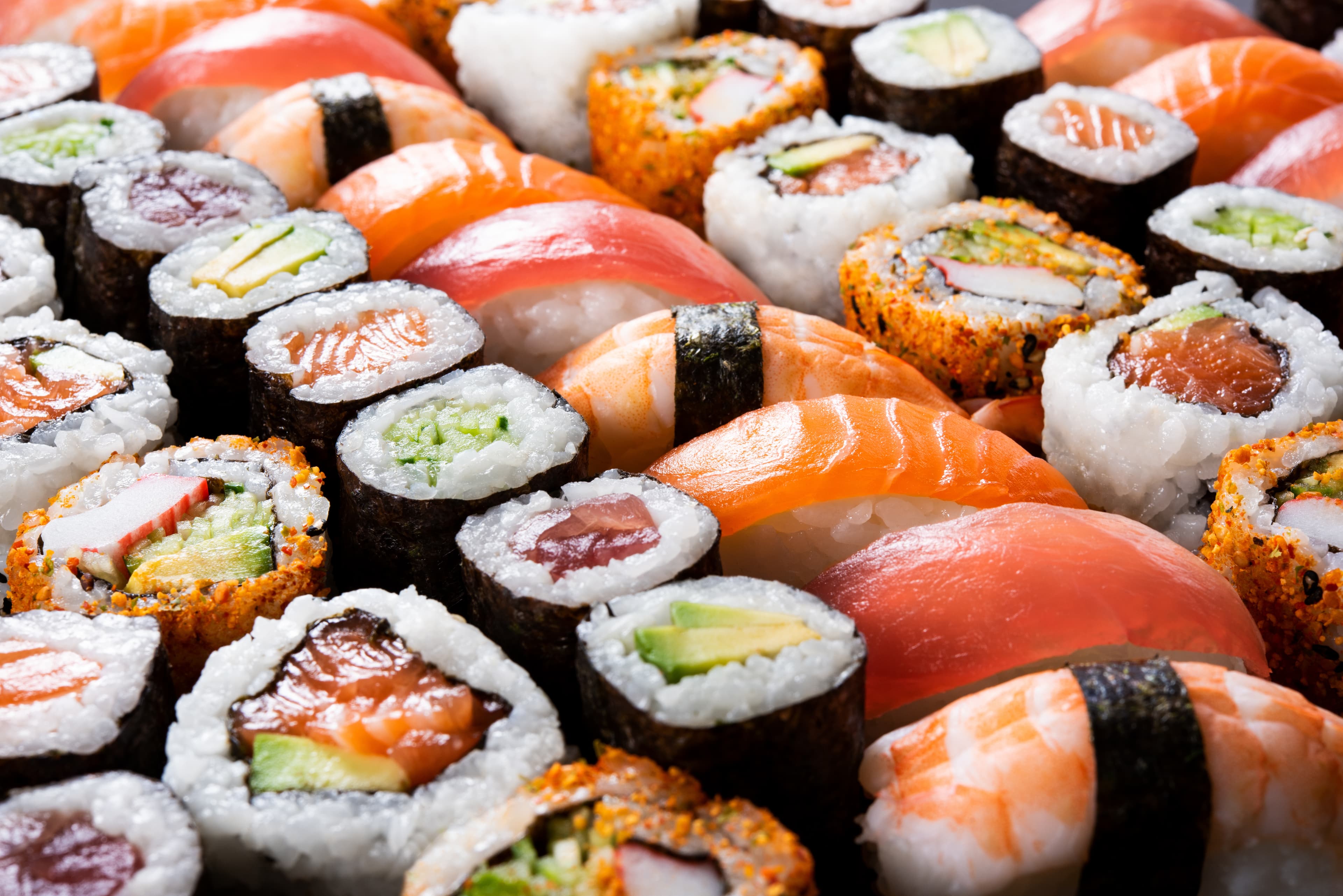
Raw fish has no crust and no sauce to hide behind. If the leaf is already a room, the fish is a rumor.
How the cigar is built for this pairing
Sushi is colder, cleaner, and more acidic than most savory plates. Vinegar in the rice is a bright frame. Soy is salt and fermentation. Wasabi is heat that does not behave like pepper in a wrapper—it is sinus, not spice. The cigar that survives is the one that can recede: less ligero, less char, enough oil to answer fat without cooking the piece.
Connecticut shade is the honest mild partner. Honey and cedar can sit with fatty tuna if soy is a brush and the cigar is not lit through the first bites. Cameroon has enough baking spice to meet toro without walking over it, if there is a pause. Ecuadorian Sumatra is a midweight that can work with salmon and a richer tuna; it will still flatten a lean white fish. Habano and Corojo are already a caution—pepper against raw fish is a kitchen argument unless the cut is very fatty and the cigar waits. Maduro and San Andrés share oil with toro in theory; in the room they often taste like two fats and no sea. Use them after the last piece, not through it.
A mild Dominican is a lunch sushi problem: cream and cedar, a modest salmon, tea. A ligero-forward Nicaraguan does not belong here. The seafood essay already said so for cooked fish. Raw fish is less forgiving. If that cigar is the one in the hand, put the sushi away or put the cigar back.
How sushi is built
By habit, sushi is rice and fish. Everything that matters for pairing sits in the rice’s vinegar, the cut’s fat, the nori’s toast, and the condiments you were not supposed to drown it in.
Rice and vinegar are the useful acid. A well-seasoned shari is slightly sweet, slightly sharp, body-temperature. It can reset combustion the way a cornichon resets salt on a board. Poor rice—cold, under-seasoned, or sweet as dessert—gives the cigar nothing to answer and the fish nothing to sit on.
Soy is salt and a fermented depth. A brush on the fish, not a bath for the rice, keeps the pairing possible. A dish of soy used as soup will follow every draw and make the wrapper taste like the bottle. Low-sodium is not the point. Quantity is.
Wasabi is the usual fault. A dot under the fish is a tradition with a purpose. A mound mixed into soy is heat as a dare. Next to a mild cigar it will make the next draw taste like pith and then like nothing. Real wasabi, if you have it, is still heat. Use less than the restaurant’s default.
Ginger is a reset between pieces, not a salad. Sweet pickled ginger piled against a Connecticut is sugar and vinegar on a delicate wrapper. A slice between a rich cut and a draw can help. A heap will not.
Nori is toast and ocean. A clean maki can sit with shade. A roll that is mostly sauce, mayonnaise, and fried bits is a different plate—closer to the dessert or the fish-with-glaze problem. Fat is why the pairing sometimes works. Toro—otoro, chutoro—and a rich salmon have oil the leaf can answer. A lean flounder or a delicate white fish has none. Smoke versus raw fish fails when the cut cannot speak as loudly as combustion. That is not a metaphor. It is thermodynamics on a tongue.
The service you actually sit down to
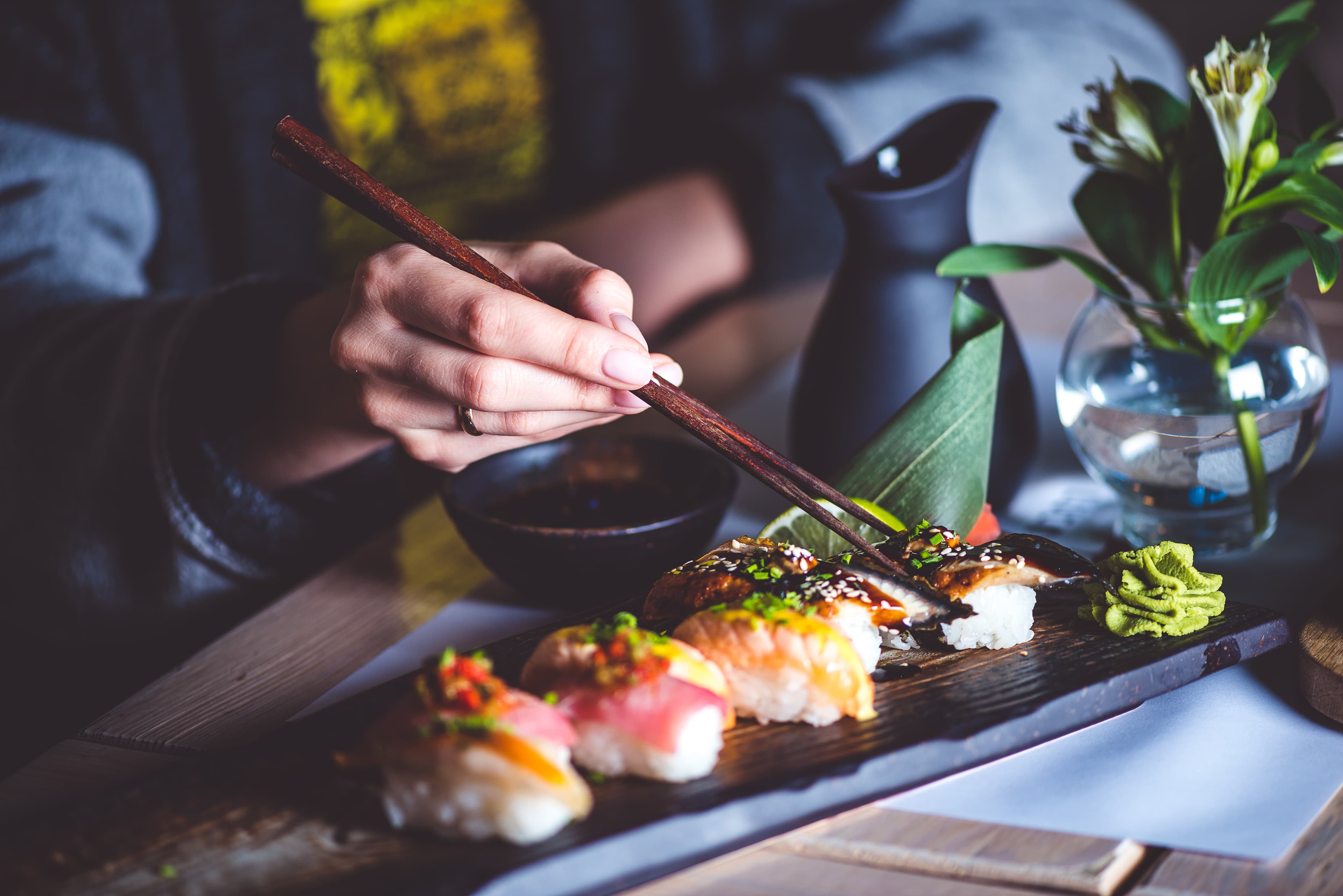
A neighborhood omakase or a careful takeout nigiri—salmon, a modest tuna, rice that is still warm—is the working language. Green tea. Soy used as a brush. Wasabi left in the dish. That is enough to learn whether the cigar should wait. It is not a lesser service. It is how the pairing actually starts.
Unagi is the working fault. The sauce is sugar. The fish is cooked and glazed. It will bury shade and make a midweight taste like teriyaki and then like ash. If unagi is on the tray, it is a different bite. Put the cigar down for it, or skip it.
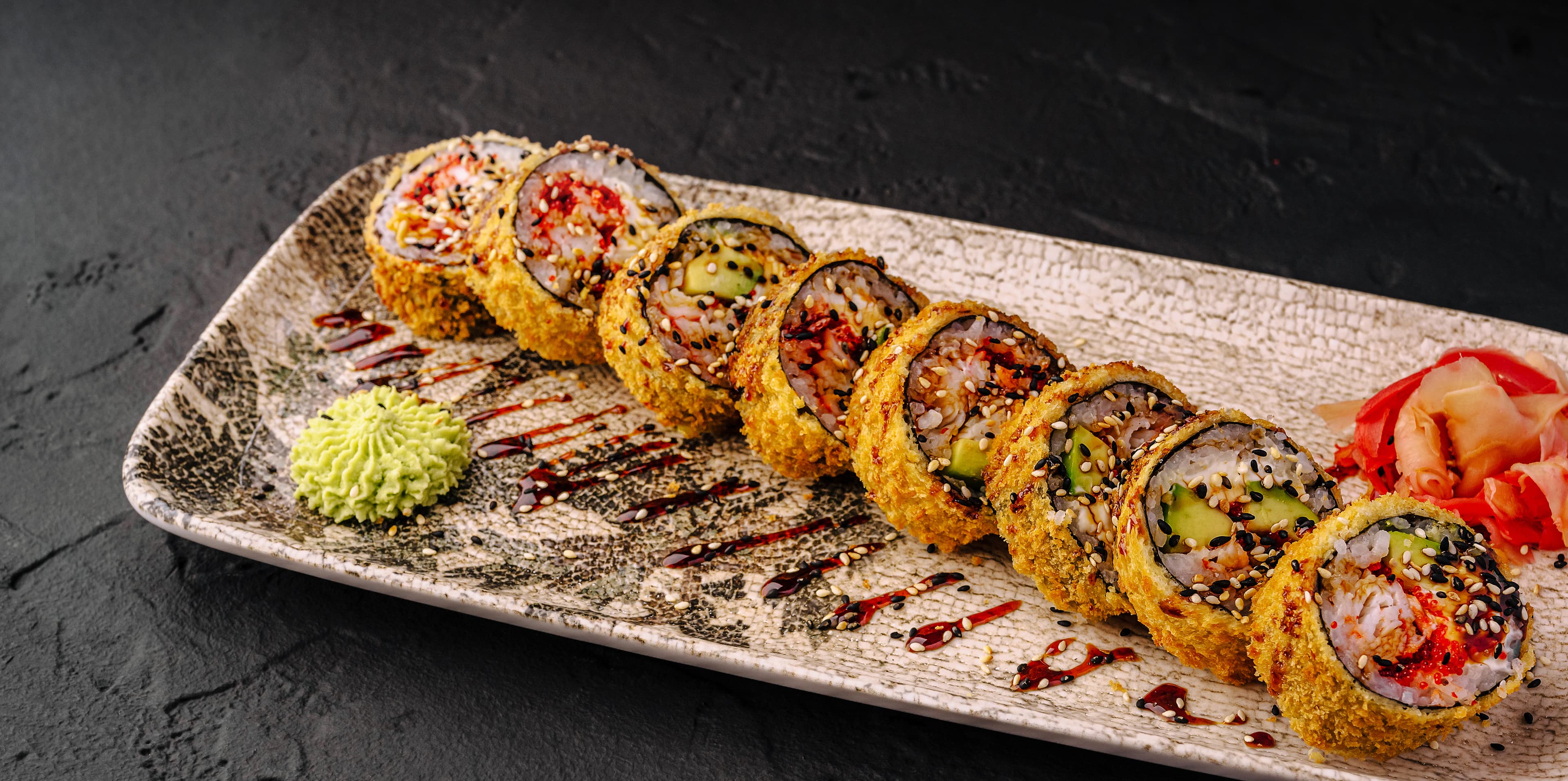
Spicy tuna, dragon rolls, and a sweet eel sauce are the popular-market versions of the same problem: heat and sugar on raw fish. They can be a fine lunch. They are a poor cigar pairing. The haute end is not a moral improvement. It is a cleaner set of the same axes.
The serious end
Otoro from a house that still tastes of fish, not only of fat, is the precise version of the working tuna. It has a melt that a Connecticut or a Cameroon can meet if the cigar is not already a third of the way and running hot. A precise shari—seasoned, not sweet, body-warm—is more important than the name of the boat. A lean white fish, however expensive, is still the wrong partner for anything beyond a very mild leaf, and even then the cigar should wait.
This is not a ranking of restaurants. It is whether the cut has fat and the rice has vinegar. A serious counter that serves you a pile of wasabi and a soy bath has failed the pairing for the same reason a casual one has.
Sake and tea — not a wine essay
Green tea is the useful cousin: heat that is not alcohol, a little bitterness, a rinse for soy. It resets pace the way coffee resets a cigar on that page, without roast. Sake can work if it is cool and clean—a junmai that still tastes of rice, not a hot pour that cooks a mild wrapper. Hot sake with a Connecticut is ethanol on honey. A big, fragrant daiginjo can perfume the fish and the leaf until neither is specific. If the glass has become a wine problem—tannin, oak, a still bottle—leave this page and use the wine essay. Do not steal it. Champagne is a different pressure and a different Conservatory page.
Service
Sequence. The honest default is cigar after: eat, pause, then light. A pause mid-service can work if the remaining pieces are fatty and the cigar is mild. Lighting through the first sashimi is how the fish disappears. If the cigar is already lit when the tray arrives, rest it. The ash will wait. The fish will not.
Temperature. Fish and rice at the temperature the counter intended—not refrigerated leftovers, not a piece that has sat under a lamp. A cold cigar from a dry box will taste louder against cold fish; rest the leaf. Ice-cold sake next to a full cigar is a muted suggestion; hot sake next to a mild one is a fault.
Ash and pace. Soy and wasabi make people drink and draw faster. Tea helps. A small vitola is enough. A long, ligero-heavy cigar at a sushi bar is a mismatch of ambition and of courtesy.
The cooked cousins. Salmon teriyaki, a grilled collar, and shellfish in butter are the seafood essay. Poultry if the room has moved to a bird. This page will not reprint them. Smoked fish plus a cigar remains two smokes.
A pairing map
| Cigar construction | Working service | Serious service | Why it holds |
|---|---|---|---|
| Mild. Connecticut shade, light Dominican | Salmon or a modest tuna; green tea; soy as a brush | Otoro or chutoro, precise rice, tea between pieces | Vinegar and fat keep honey intact. Wasabi and unagi sauce will not. |
| Medium. Cameroon, Sumatra; Habano only with a pause | Fatty tuna or salmon; skip unagi; tea or a cool junmai | A serious otoro course, cigar after a pause | Spice can meet fat if soy stays light. Lean white fish still loses. |
| Full. Maduro, San Andrés, ligero-led Nicaraguan | Do not force it. Wait, or choose poultry. | There is no haute end that makes ligero elegant with sashimi | Combustion buries raw fish. Fat and heat, no sea. |
Faults and mismatches
- A heavy ligero through delicate fish. The fish essay’s rule, with less cooked fat to hide in. The piece becomes a rumor.
- Too much wasabi. Sinus heat on a mild wrapper. The next draw is pitch.
- Sweet unagi sauce. Sugar on cooked eel. The cigar tastes like the glaze and then like ash.
- Hot sake with a mild cigar. Ethanol cooks honey and cedar. Cool the pour or change the leaf.
- Using this page to replace the fish essay or the wine essay. Cooked seafood and still wine are already written. Sake is a service cousin, not a loophole.
Poultry is safer if the room has moved off raw fish. The pairing desk will send you to the construction you actually lit, or tell you to wait.