
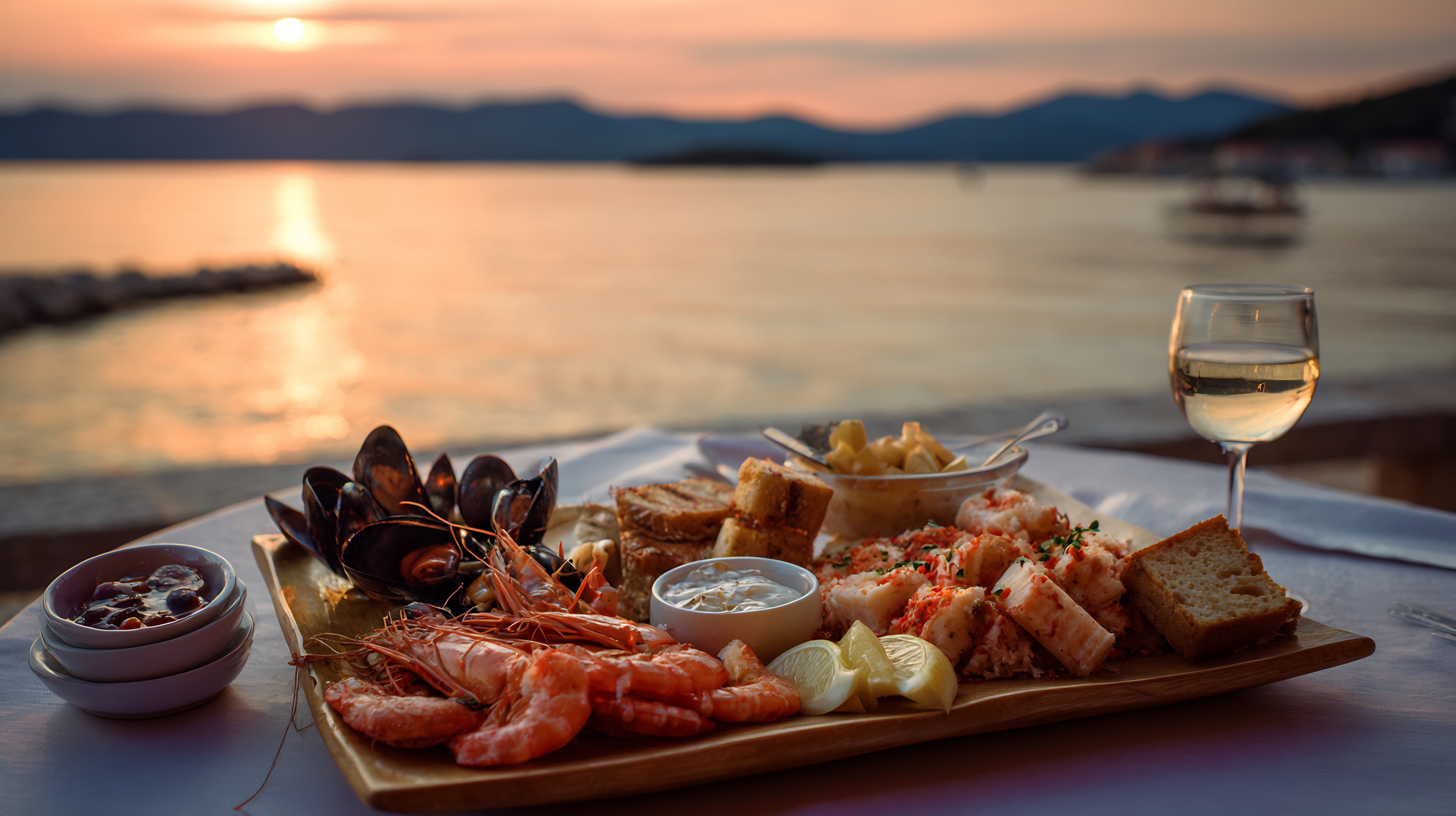
The sea is mineral. Smoke is fire. If you add a third smoke, or a lake of butter, the cigar will finish the argument alone.
How the cigar is built for this pairing
Seafood is colder, wetter, and more fragile than beef or poultry. An oyster is brine and a little sweetness. Salmon has oil. Sole has almost none. Lobster is sweet muscle and whatever fat you put on it. Ceviche is acid first. The cigar that survives is the one that can recede: less ligero, less char, enough oil to answer a richer crab or a seared tuna without cooking the plate.
Connecticut shade is the honest mild partner—honey and cedar, little pepper. It can follow a clean salmon or turbot, and it can sit with a clean oyster or a cold prawn if lemon stays a squeeze and the cigar is not lit through the first bites. Mild Dominican behaves the same way: cream and cedar, a lunch problem asked to close a course. Cameroon and Ecuadorian Sumatra can meet a richer salmon, a seared tuna, or a prawn with a little char if the plate is not smoked and the sauce is not sweet. They can take a lobster with butter on the side. They will still flatten a lean, icy oyster. Habano and Corojo are already a caution: pepper against brine is a kitchen argument unless the plate has real fat and the cigar waits. They can close a tuna course; they should not go through a poached fish. Maduro and San Andrés share oil with a buttered lobster in theory; in the room they often taste like two fats and no sea. Use them after the last claw, not through it, and only if the course was itself rich.
A ligero-forward Nicaraguan does not belong here. The leaf will treat the plate as a palate cleanser and ignore it. A sole becomes a rumor. A raw oyster is less forgiving. If that cigar is the one in the hand, put the seafood away or put the cigar back.
Finfish
By habit, cooked fish fails on three decisions: whether the fish was smoked, how loud the sauce is, and whether someone thought “surf and smoke” was a style. Construction that survives is the construction that recedes. A tight draw on a mild cigar is still better than an open, hot Nicaraguan through a poached fish: heat is another kind of smoke. If you must have a cigar in the same hour, choose a corona or a petit robusto, not a long toro you will still be smoking when the plates are a memory.
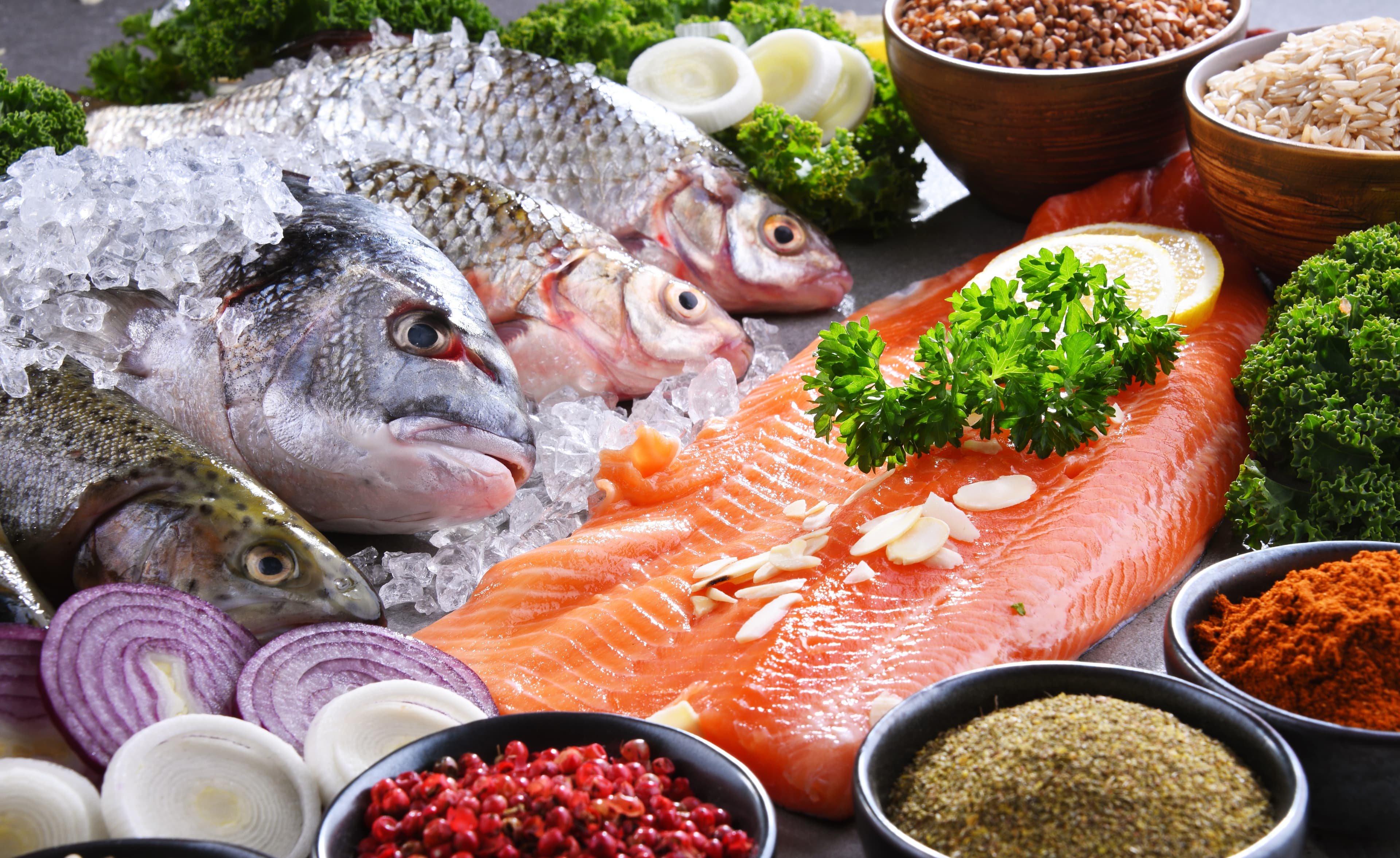
Salmon is the working language because it has oil. A simple roast or a clean gravlax—not a sugar cure—can survive a shade wrapper after the plate. A cedar-planked or heavily smoked salmon is already a cigar; adding another is how both taste like a campfire. Tuna—seared, not a sweet poke—has meat and blood that a midweight Cameroon can answer if the cigar waits. Raw tuna is more fragile; treat it like crudo and delay the light. Nigiri is the sushi page.
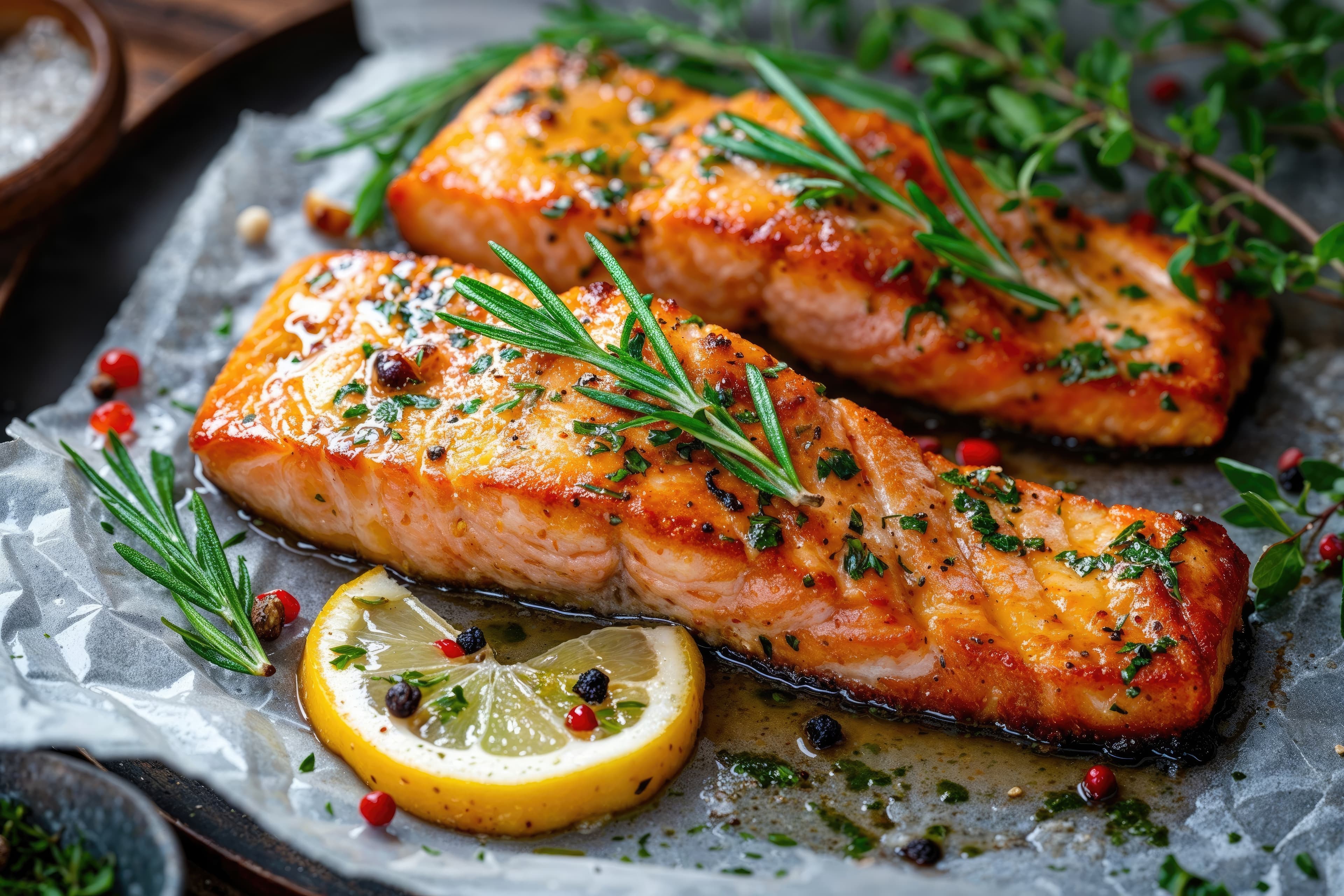
White fish—sole, turbot, halibut, sea bass—wants lemon, butter, and silence. The cigar belongs after, and only if it is mild. A robusto through a sole is a category error. Sauce is the pairing. Lemon and a little butter recede. Cream can work with shade after the plate. Sweet chili, teriyaki, and barbecue eel sauce are dessert faults on a fish plate. A smoked-tea or lapsang butter is a second smoke. Skip it.
A simple salmon or a clean turbot, lemon not cream, cigar afterward, is how most honest finfish pairings start. If that fails, the construction was too loud or the fish was already smoked. Seared tuna is the midweight working plate: rest the fish, finish the course, then a Cameroon or a modest Habano. Do not ash into the soy. A precise crudo or a langoustine that still tastes of the sea can be elegant if the cigar waits in the box. A first-rate sole meunière followed by a Connecticut is more exact than a luxury tower next to a Nicaraguan.
Shellfish is not a second salmon
Molluscs and crustaceans are another kingdom: brine, butter, and a shell that sometimes has more to say than the meat inside it. Iodine is the useful mineral. An oyster, a clam, a mussel that still tastes of the water it came from will reset a mild cigar the way a cornichon resets salt—if the portion is small and the cigar has not already filled the room. Too much iodine next to a spice wrapper tastes like a wound and then like metal.
Butter is fat that can extend smoke or bury it. A drawn-butter lobster is a pairing if the butter tastes of cream. Garlic butter, a brown butter noisette, or a compound that is mostly herb is a third pairing. The cigar will taste like the sauce. Lemon is acid as a tool. A squeeze on an oyster or a prawn can lift a Connecticut. A flooded plate is pith. Next to Habano, heavy citrus stacks on pepper and makes both thin.
Oysters are the working mineral. A clean, cold oyster—not mignonette as a soup, not a cocktail sauce as a dare—can sit with shade if the cigar waits. The pairing is brine, then a pause, then a draw. A piled platter with hot sauce is a bar, not a pairing. East or West Coast is less important than whether the oyster still tastes of water and not of the garnish. Do not light as they arrive.
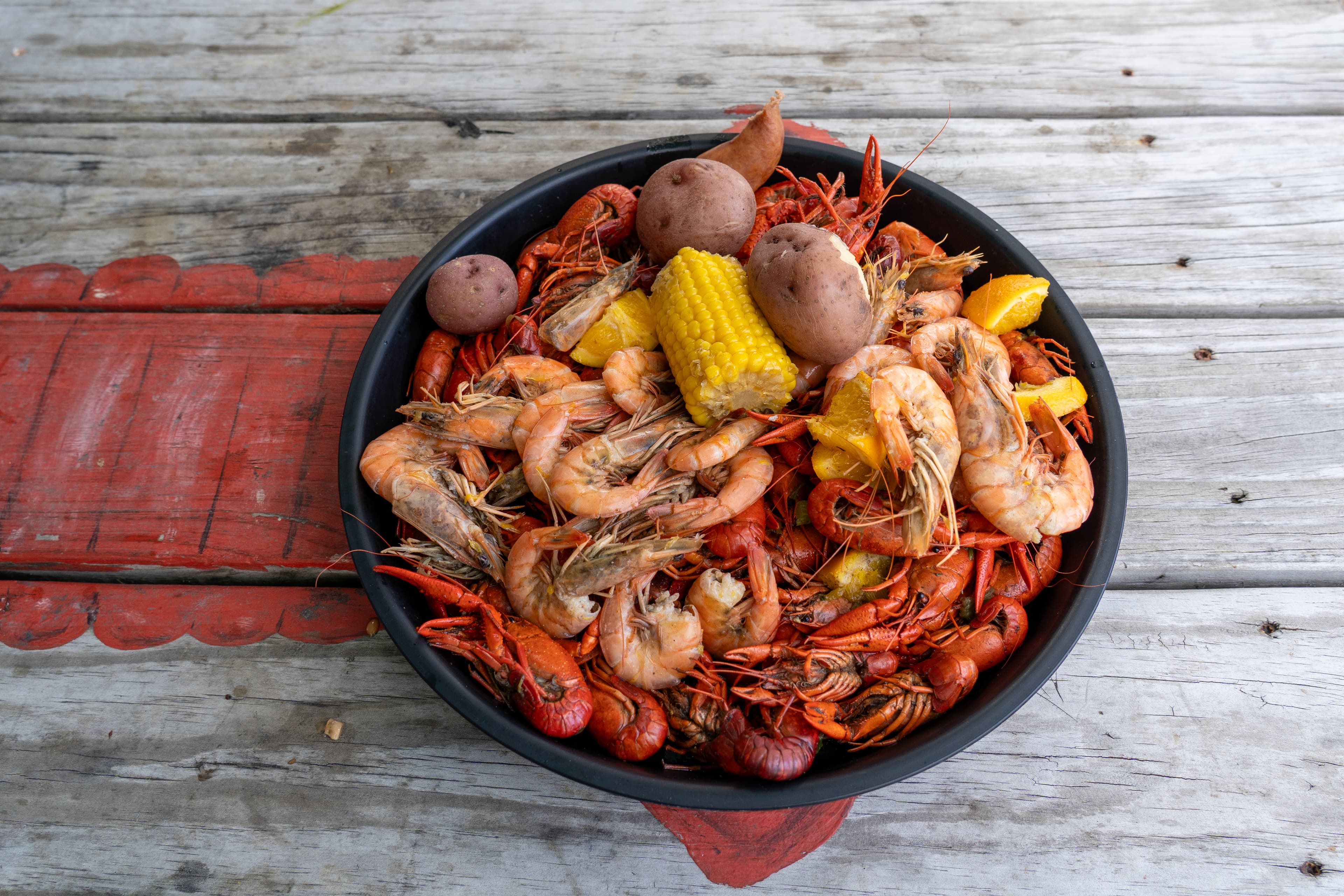
Prawns and shrimp are the working protein: sweet, a little iodine, fat only if they are not overcooked. Cold, with lemon, they can extend a mild Dominican. Grilled, with a little char, they can meet Cameroon. A garlic-butter scampi will cook a Connecticut and make a midweight taste like the pan. A crawfish or shrimp boil already has spice in the pot. That is a pairing. The cigar should wait until the last shell is a memory.
Crab is sweet and delicate. Picked meat with almost no sauce is the honest form. A heavy Louis dressing or a sweet chili is dessert wearing seafood. Lobster is the midweight’s serious cousin: sweet muscle, a little iodine, and whatever butter you allowed. A steamed tail with a modest drawn butter can sit with Sumatra or a rested Habano after a pause. A thermidor or a loaded roll is a different plate—cream, brandy, bread. The cigar should wait, or the plate should be simpler.
These are not a hierarchy of luxury. They are how the pairing actually starts. If they fail, the sauce or the construction is wrong, not the idea of a shell.
Ceviche, and smoked salmon as a fault
Ceviche is acid, salt, and raw seafood arranged as a cold plate. The citrus does the cooking. Next to a cigar it behaves like a very bright white wine: it can lift shade if the portion is small and the chili is not the point. A fiery, onion-heavy ceviche will follow every draw. Treat chili as wasabi on the sushi page—a dot, not a personality. The fish in a ceviche is often lean. The pairing is the acid, not the fillet.
Smoked salmon is the cousin that keeps being served as seafood. It is a second smoke. Lox, gravlax with a heavy cure, a smoked trout pâté: two smokes, no sea. If it arrives on the board, put the cigar down or put the salmon away. A mild cold-smoked slice with cream cheese is brunch. It is not a Conservatory pairing.
Service
Sequence. The honest default is cigar after: eat, pause, then light. A pause mid-service can work if the remaining plate is lobster, a richer crab, or the last bites of an oily fish, and the cigar is mild-to-medium. Lighting through the first oyster—or as the fillet arrives—is how the sea disappears. If the cigar is already lit when the platter arrives, rest it. The ash will wait. The oyster will not.
Temperature. Seafood at the temperature the kitchen intended—not a warm oyster, not a cold lobster that has sat, not a fillet under a lamp. A cold cigar from a dry box will taste louder against cold brine; rest the leaf. Ice-cold Champagne next to a full cigar is a muted suggestion; a warm, buttery lobster next to a mild one can work if the butter is restrained.
Ash and pace. Lemon, iodine, and salt make people drink and draw faster. A smaller glass, a smaller vitola. A long, ligero-heavy cigar at an oyster bar is a mismatch of ambition and of courtesy. Fish oil on the fingers will go into the wrapper. A napkin is not optional. Ash belongs away from the plate.
The glass. Champagne will appear because the room often pours it with seafood. That is correct for the glass. Use the Champagne essay for mousse and dosage. A white Burgundy or a precise Chablis is the other glass the room will reach for—acid and minerality, not mousse. Next to a mild cigar after the plate it can be quiet and exact. Next to a full cigar it will vanish. Pair the leaf to the plate first; let the glass be service, not a rescue.
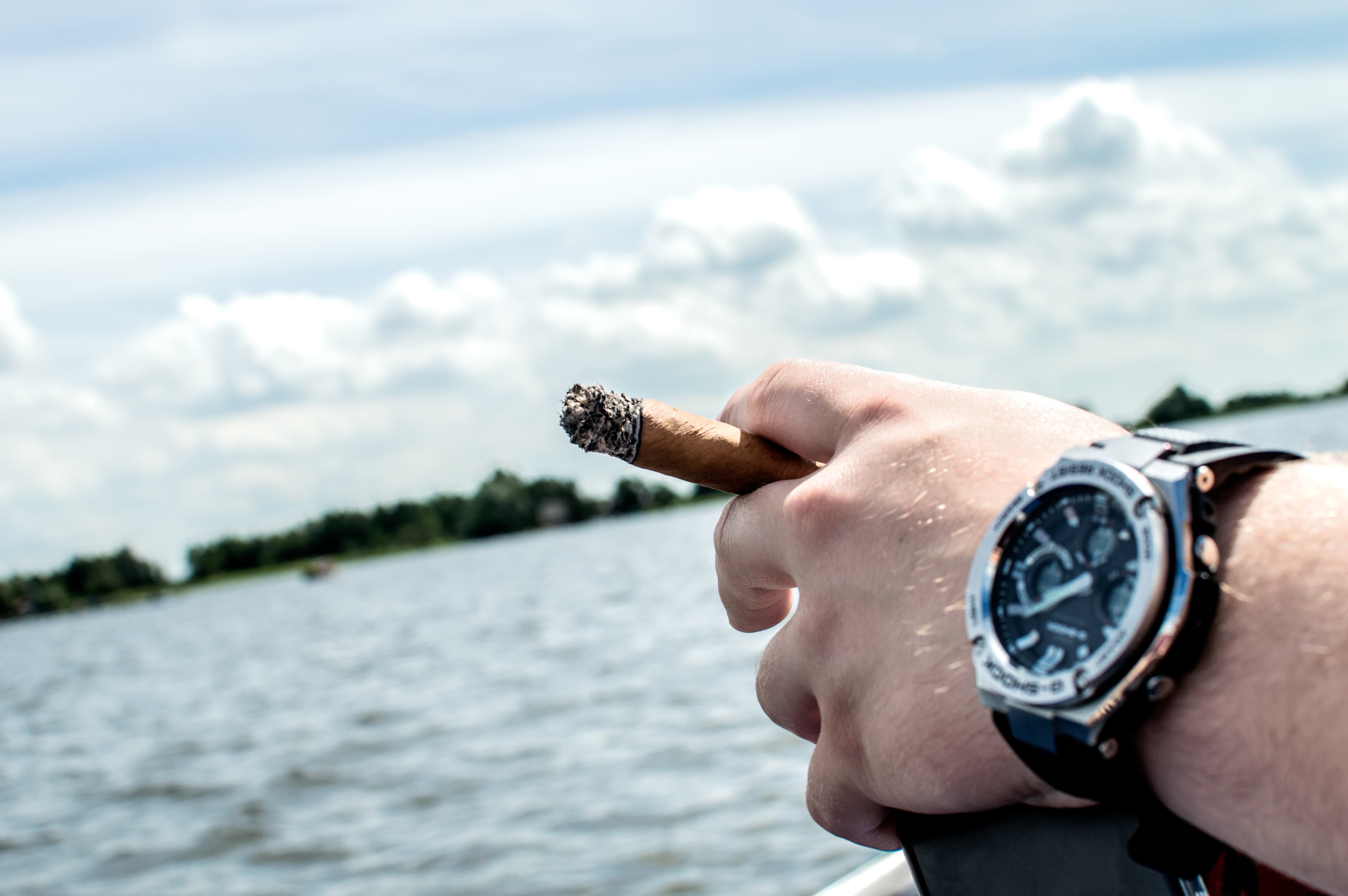
The cousins. Nigiri, soy, wasabi—the sushi essay. Champagne if the bottle is already open and the course is still on the table. Poultry if the room has moved to a bird. This page will not reprint them. The hour after a catch, on the water, is still this pairing: the plate first, then the leaf.
A pairing map
| Cigar construction | Working plate | Serious plate | Why it holds |
|---|---|---|---|
| Mild. Connecticut shade, light Dominican | Simple salmon or turbot; a clean oyster; cold prawn; picked crab. Lemon as a squeeze. | A precise raw or barely cooked course, cigar still waiting; oysters opened to order; a sweet crab, almost naked | The wrapper recedes. Brine and a little sweetness keep honey intact. Smoke on the plate, butter lakes, and hot sauce will not. |
| Medium. Cameroon, Sumatra; Habano only with a pause | Seared tuna; salmon with skin, little glaze; prawn with a little char; lobster, butter on the side | A serious tuna or a lobster that still tastes of lobster; crab with real sweetness, little dressing | Meat, oil, and sweet muscle can meet spice if iodine stays polite. A raw oyster or a sole may still lose. |
| Full. Maduro, San Andrés, ligero-led Nicaraguan | Do not force it. Wait, or choose poultry. | Buttered lobster only after the plate is gone, and only if the leaf has oil. There is no elegant serious end on a delicate fish. | Combustion buries brine. Two fats, no sea—or the fillet becomes a rumor. |
Faults and mismatches
- Smoked fish plus a cigar. Two smokes. The fish loses its name.
- A full Nicaraguan through a sole, a crudo, or an oyster. The plate is a rumor. Change the leaf or wait.
- Garlic butter as the pairing. The cigar tastes like the pan. Drawn butter is fat; garlic is a third course.
- Cocktail sauce, a mignonette bath, or lighting as the oysters arrive. Heat, vinegar, and combustion. The next draw is pitch.
- Sweet glaze—teriyaki, chili, eel sauce. You have added dessert to a seafood course.
- Using this page to replace sushi. Nigiri is already written. Shell and fillet are a different mineral.
Champagne and a cold white wine will appear at the same table. They are service cousins, not substitutes. If the bottle is Champagne, use that essay. If the plate is nigiri, use that page. Poultry is the safer savory if you wanted protein and smoke without this argument. The pairing desk will send you to the construction you actually lit, or tell you to wait.