
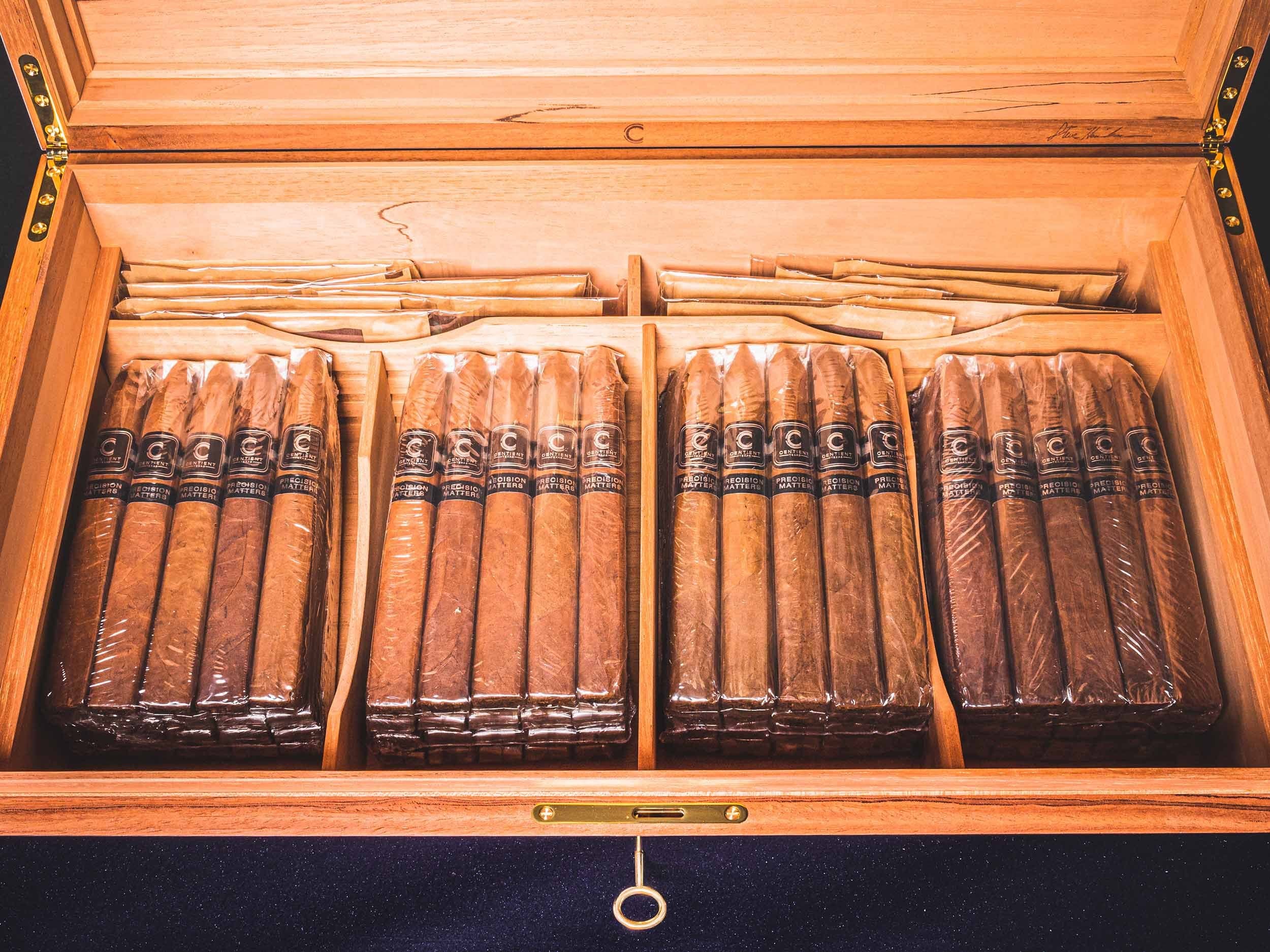
Pay for the week that stays the same. Do not pay for a lid that performs.
How the cost is built
A budget box costs the unit, the sponge or the packs you replace, and the cigars that go wrong. A premium box costs the casework, then almost nothing if the seal and the lining were done once. The hidden line is expected loss: one cracked box of shade, one mold event, one summer you emptied the cabinet “to be safe.” Those are not theoretical. They are how collections actually shrink.

Five-year cost is the honest frame. Packs, calibration, a second cheap box when the first warped—those add. A coachbuilt box that still holds is a single line. If you travel, or the room is violent with sun and air-conditioning, the cheap box’s year gets worse. If you live in a calm room and open the lid twice a week, a modest box maintained well can be enough. Honesty about the room matters more than honesty about the brand.
What you are not buying: a flavor upgrade. That essay is next door. What you are buying: fewer decisions. A gauge you believe. A lid that returns. Trays that do not make two climates. The collection you meant to keep is still there in March.
The working language
Count the cigars you actually own, not the cigars you intend to become the sort of person who owns. A desktop that holds what you smoke this quarter is a working purchase. A cabinet for a fantasy inventory is a different invoice. Fill the box to a comfortable density—enough leaf to buffer the air, not so much that trays seal shut.

Maintenance is part of price. Two-way packs are dull and predictable. A fountain you forget is a crisis with a pretty lid. Calibration once in a while is cheaper than a new hygrometer every time you panic. If you will not maintain a system, buy the system that maintains itself—or buy less leaf.
Loss math is not romantic. One ruined box of something you cared about can equal the difference between cases. Two such events, and the “expensive” box was the conservative choice. If you have never lost a cigar to storage, you may be careful, or lucky, or new. Do not plan on luck as a five-year strategy.
Service and repair are part of value. A hinge you can replace, a seal you can renew, a tray you can reorder—those keep a box in the working column. A sealed sculpture with a dead hygrometer is a gift you stop opening. Ask, before you buy, what happens in year six. If the answer is a shrug, you are buying a season.
Insurance and inventory are cousins of this page. A box you trust is a box you can list. A box you do not trust is a box you smoke down in a hurry. That hurry has a cost that never appears on the invoice. If the collection is serious, the furniture should be as boringly reliable as the lock on the room.
What a cheap box actually costs is time. Recalibrating a liar, resealing a lid that never returned, replacing a warped tray, moving cigars because August confessed—those hours do not appear on the invoice. If your time is cheap and your room is calm, a modest box maintained well can be enough. If your time is not, or the room is violent, the coachbuilt line is often the conservative one. Honesty about the room first. Honesty about how often you will open the lid second. Brand third.
Capacity math: buy for the collection you can climate, not the collection you intend to become. A half-empty cabinet is a weather station. An overstuffed desktop is two climates. The setup essay is density. Value is whether you will live at that density. A beautiful box you underfill because you are “saving space” is a purchase that works against itself. Fill it, or buy smaller.
Resale and heirloom talk should stay quiet. A working object that still holds in year ten has value you can use. A sculpture that photographs and lies has value you can post. This page is the first. If you want furniture that is also a climate, pay for joints, a lining you can season, hardware you can service. If you want a gift that will be opened twice, say so and buy accordingly. Do not call the second an investment.
Insurance and inventory are cousins. A box you trust is a box you can list. A box you do not trust is a box you smoke down in a hurry. That hurry never appears on the invoice and still costs. If the collection is serious, the furniture should be as boringly reliable as the lock on the room. Service in year six—hinge, seal, tray—keeps the object in the working column. A shrug is a season. Pay for the working column if you mean a decade.
Compare like with like. A desktop that holds a quarter’s smokes against another desktop. A cabinet against a cabinet. Do not compare a sculpture’s photograph to a working box’s silence. Silence is the product. If you need a photograph, take one with the lid closed and then open it for the rest of your life. Value is the rest of your life. The quality essay is what the silence does to smoke. This page is whether you will still own the silence in March.
Buy the size you will fill. Maintain the system you will remember. Count five years, not the weekend of the unboxing. If you have never lost a cigar to storage, you may be careful, lucky, or new. Do not plan on luck. One ruined box of something you cared about can equal the difference between cases. That is the conservative argument for paying once. The romantic argument is a photograph. This page is the conservative one.
The serious end
The haute of value is a box that outlasts the first collection. Heirloom is an overused word. What it should mean here: joints that still meet, a lining that still behaves, hardware you can service. Not a sculpture you are afraid to open. A working object that still holds climate when the first owner’s tastes have changed.
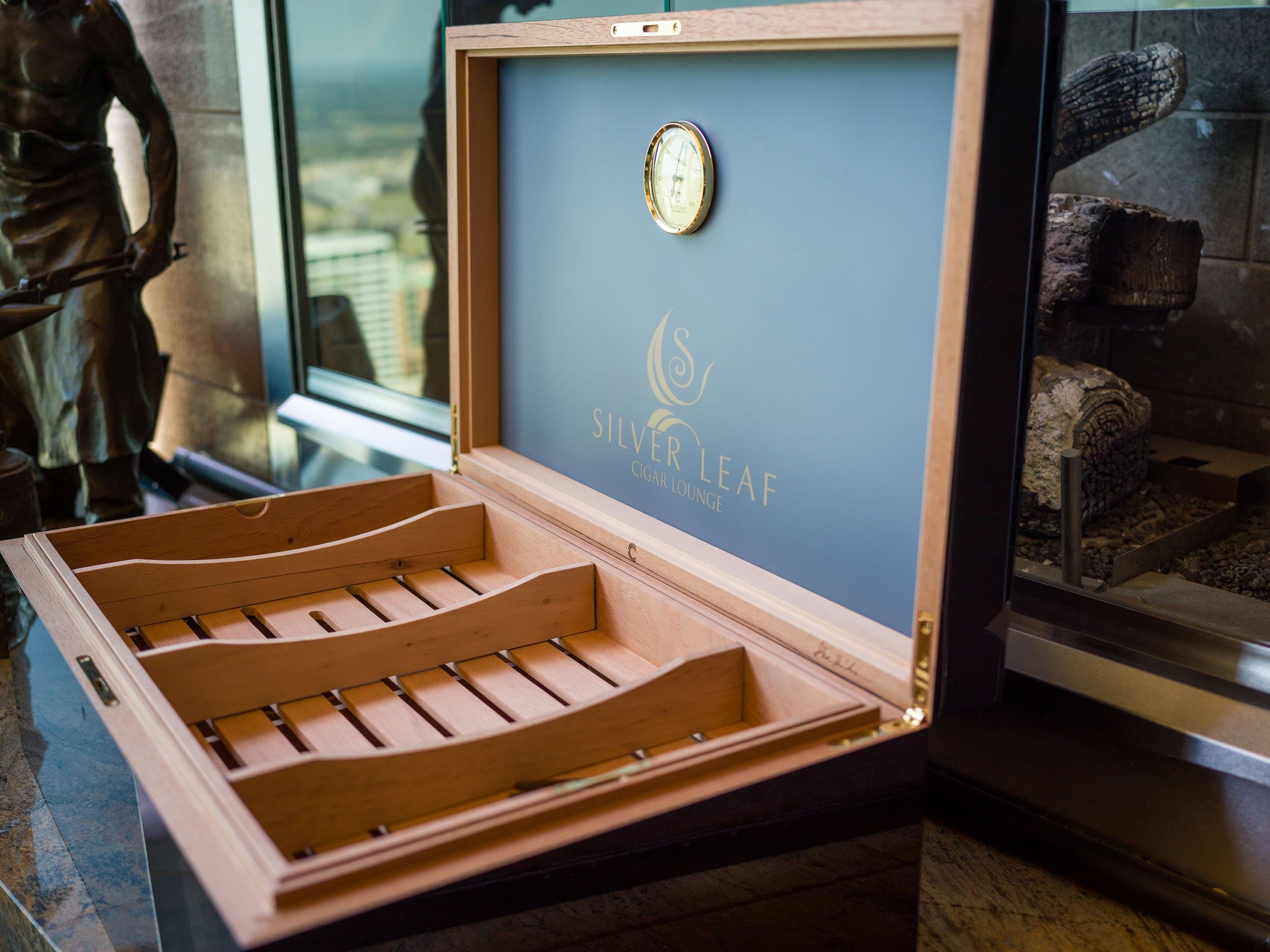
Service
Price against the collection, not against a catalog photograph.
Include the cheap box’s replacements and the cigars you have already written off.
Buy for the room you have. Sun, HVAC, travel, how often the lid opens.
Do not buy capacity you will not fill. Empty volume swings. Leaf is ballast.
A working map
| Situation | Honest box | When to upgrade | False saving |
|---|---|---|---|
| A dozen weekly smokes | Simple, maintained, mid-60s | When the lid warps or the gauge lies | A cabinet for a life you do not live |
| Boxes you mean to rest | Seal, mass, one climate | Now, if the cheap box already swings | Waiting until a box spots |
| A violent room | More mass, better lid, less glass theater | Before summer, not after | A thin display case in a window |
Faults and mismatches
- Buying the lid and keeping the sponge. You purchased furniture.
- Comparing invoices without comparing loss. The cheap box’s real price arrives later.
- A huge empty cabinet. Air that large will not stay still for a few cigars.
- Upgrading for flavor. The leaf does not get better. The week does.
- One season as the test. Winter is not a review. August is closer.
Stability is what you are paying for. Cedar is how the interior behaves. Proportion is how the object sits in the room. Those essays complete this one.