
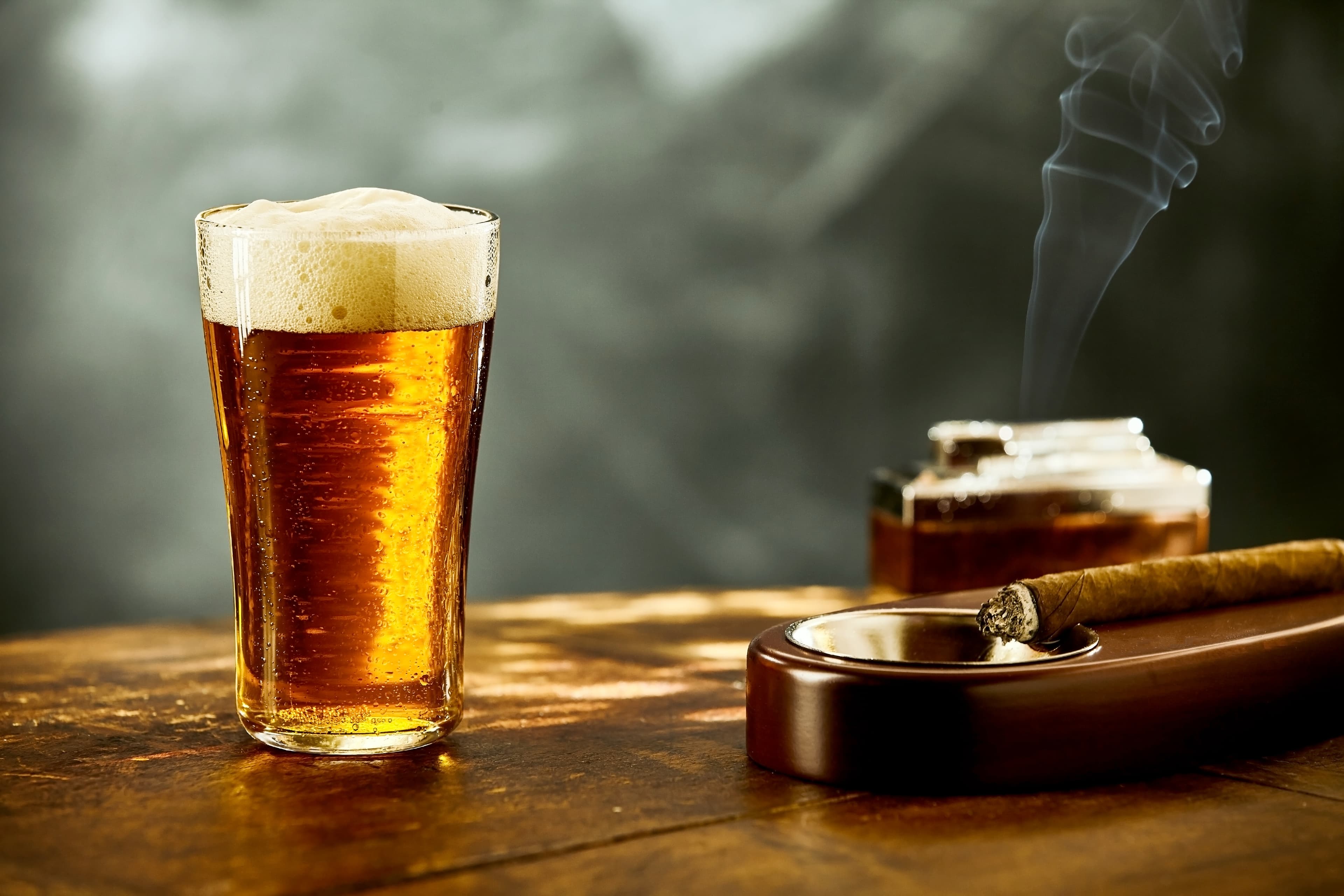
Hops are not character beside smoke. They are volume. Turn them down until both partners can still be heard.
How the cigar is built for this pairing
Beer is wetter and colder than a spirit. It will reset pace if you let it, and it will numb a delicate wrapper if the bitterness is the point of the glass.
Connecticut shade can work with beer if the beer is a lager problem, not a hop problem: helles, Czech pils, a clean American adjunct lager that still tastes of grain. A West Coast IPA will strip it. Cameroon and Ecuadorian Sumatra have enough spice to meet a saison or a Belgian pale without collapsing. Habano and Corojo are the natural midweight partners—pepper against a dubbel’s dark fruit, cedar against a porter’s cocoa. Maduro and San Andrés share stout’s roast. The danger is a pastry conversation: two sweet, vanilla things agreeing too loudly. A drier stout, or a Trappist that is more malt than candy, keeps that from happening.
A mild Dominican is a lunch-evening problem. Beer is often the lunch drink; the cigar can be. If you pair them, keep the glass small and the hops modest. A ligero-forward Nicaraguan wants more malt, not more bitterness—stout, a quadrupel, a barrel-aged beer if the oak is wood and not syrup—or the cigar will treat the pint as rinse water and ignore it. Construction that burns cool matters. A canoeing maduro next to a 10% pastry stout is just heat stacked on sugar.
How beer is built
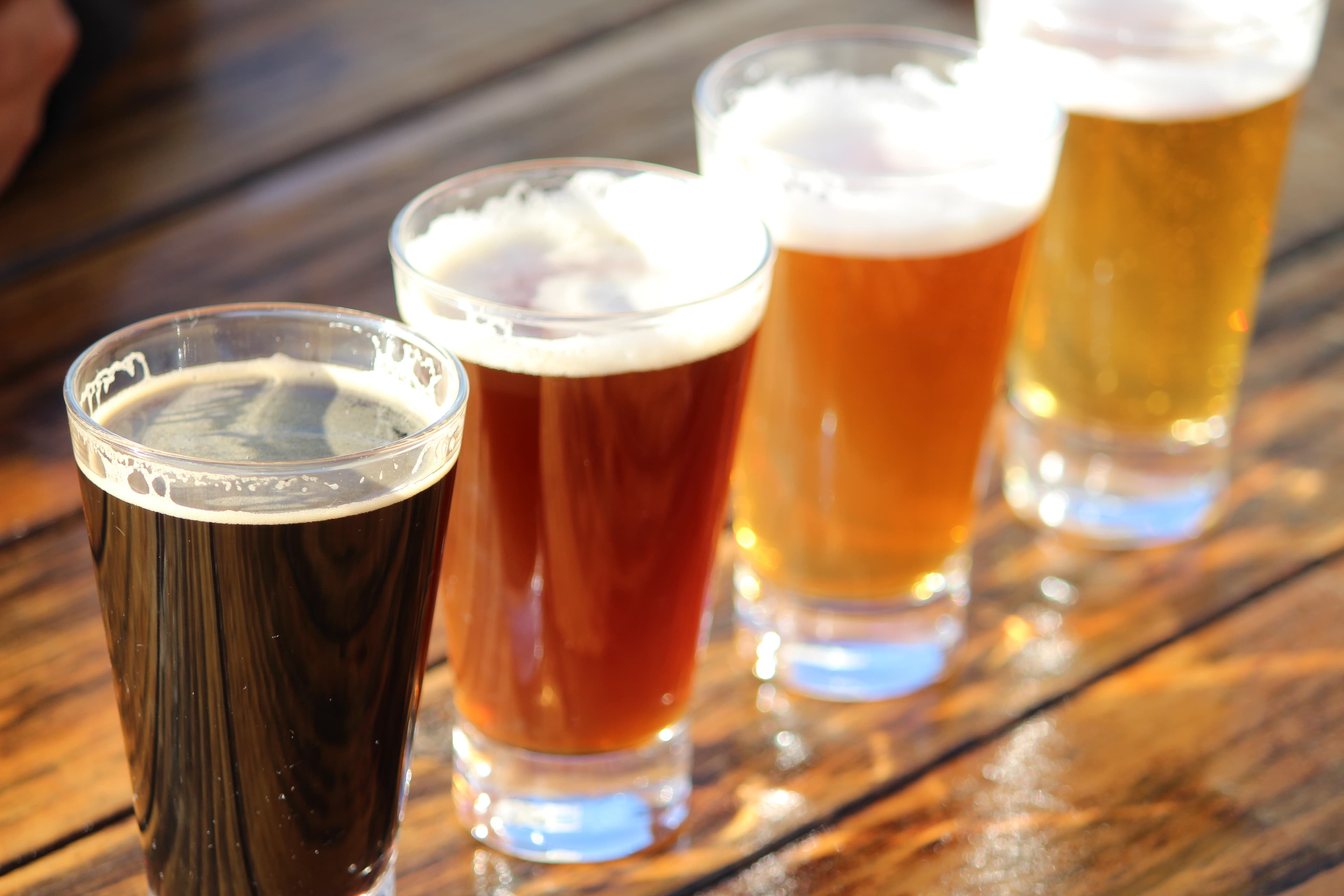
By habit, beer is malted grain, water, hops, and yeast. Everything that matters for pairing sits in the remaining decisions: how much roast is in the malt, how much bitterness is in the hop bill, whether the yeast is clean or ester-heavy, and whether someone later added vanilla, lactose, or a barrel.
Lager and pils are the working language of a great many rooms: grain sweetness, noble hop, carbonation that cleans. They sit cleanly with shade and with a modest Cameroon. Helles is softer, more malt than snap. It is kinder to a Connecticut than a bracing pils. Czech pils has more bitterness and more Saaz perfume; it can lift a mild cigar and pick a small fight with a full one if you drink it too cold and too fast.
Saison and farmhouse ales add yeast: pepper, citrus peel, a dry finish. They like Sumatra and Habano. They do not like a dessert maduro. Belgian ales—dubbel, tripels in small pours, a Trappist that still tastes of monastery malt rather than of a candy shop—have the fruit and spice that fermented leaf already understands. Porter and stout add roast. Dry stout is cocoa and coffee without dessert. Sweet stout and pastry stout are dessert. Pair the dry one.
The glasses you actually pour
A Czech pils or a German helles is how most honest cigar-and-beer pairings start. Pilsner Urquell, a good Budvar, a Bavarian helles from a house that still lagers: grain, noble hop, a finish that leaves the palate. They sit with a Connecticut or a mild Dominican if the glass is not ice-cold. Too cold and the malt disappears; the cigar smokes alone.
Saison Dupont and beers in that dry, peppery line are the midweight working language. They meet Cameroon and Habano without asking the cigar to become a farmhouse joke. A tripel is higher alcohol and more candy; pour less of it, or move to a cigar with more oil.
These are not lesser beers. They are how the pairing actually works in a room that is not performing craft. If they fail, the cigar or the hop bill is wrong, not the idea of beer.
The serious end
Trappist beers—Westvleteren when it appears, Rochefort, a serious Orval—are malt, yeast, and bottle age as a specific instrument. They can be extraordinary next to a rested Habano or a modest maduro. They can also be sweet and busy next to a young, peppery Nicaraguan. Do not save the bottle for the loudest cigar in the cabinet.
Barrel-aged stout is the bourbon-adjacent end of beer: oak, vanilla, roast, alcohol. It will destroy a shade wrapper. It can be excellent with a dense maduro if the stout is dry enough to still taste of grain and wood, not of a sundae. Imperial stouts that drink like dessert sauce are a fault, not a flex.
A precise helles or Czech pils from a house that still treats lager as a craft is the other serious end: not rare, not loud, just correct. Next to a Connecticut it can be quieter and more exact than a spirit.
IPA is the caution. Cascade, Citra, Mosaic—the grapefruit and resin that define a great deal of American craft—stack on combustion bitter and make a mild cigar taste like pith. A “session” IPA is still an IPA. If the beer’s identity is hops, put the cigar down or change the glass.
Service
Glass. A smaller glass than the pint the bar assumes. The point is to smell malt without bathing the nose in carbonation. A heavy mug filled to the brim is how pairings go loud.
Temperature. Cool, not iced. A pils at cellar-plus can still lift; a stout served too warm becomes syrup next to smoke. Ice-cold lager next to a full cigar is a cold suggestion. The cigar continues alone.
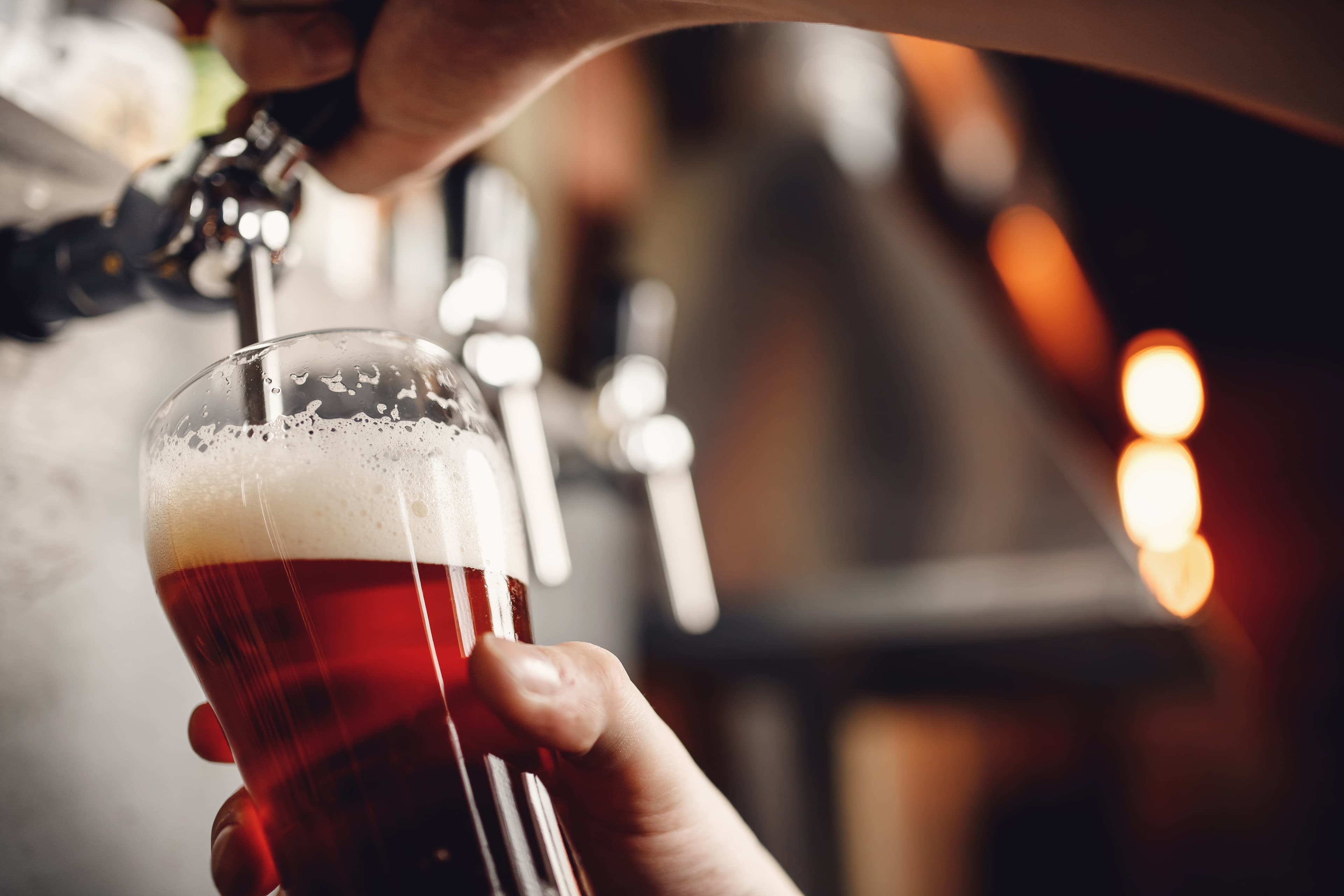
Sequence. A sip first, then the cigar, then decide whether the beer is a pace tool or a partner. If you light first, the beer’s bitterness will arrive as a surprise and you will drink faster than you smoke.
Ash and pace. Carbonation makes people sip faster and smoke faster. Slow both. A corona or a modest robusto is enough. The last third of a long cigar next to a third pint is how hop bitter and combustion bitter become the only things left.
Time of day. Afternoon and early evening. A morning Connecticut with coffee is a different essay. A midnight imperial stout is closer to the spirit pages.
A pairing map
| Cigar construction | Working glass | Serious glass | Why it holds |
|---|---|---|---|
| Mild. Connecticut shade, light Dominican | Helles; Czech pils; a clean lager | A precise pils from a house that still lagers | Grain and carbonation lift honey and cedar. Hops must stay noble. |
| Medium. Habano, Corojo, Sumatra, Cameroon | Saison; a Belgian pale; a dry porter | Trappist dubbel; a refined saison | Yeast spice answers wrapper pepper. Roast should be cocoa, not burnt. |
| Full. Maduro, San Andrés, ligero-led Nicaraguan | Dry stout; a Belgian quadrupel, small | Barrel-aged stout that is wood and cocoa, not pastry | Leaf molasses can take roast malt. Sugar and hop resin cannot be the point. |
Faults and mismatches
- IPA on Connecticut shade. Hop bitter plus combustion bitter. What remains is pith. A session label will not save it.
- A pastry stout with a dessert maduro. Vanilla on vanilla. No contrast, no lift.
- Ice-cold pils next to a full Nicaraguan. The beer is a rinse. The cigar smokes alone.
- A third pint through the last third. Carbonation and ash become the only conversation.
- Treating a rare Trappist as a pairing flex. The cigar does not care what you queued for. It cares about malt and sweetness.
Wine, Champagne, and spirits are not “other beers.” They have different structures and their own essays. If the glass in your hand is already a barleywine that drinks like a whiskey, use the spirit rules for proof and oak, not this page’s lager rules.